Food Production Assistant Skills Employers Are Looking For
If you’re starting out or want to work in food production in South Africa, knowing exactly what skills employers expect from a food production assistant helps you stand out. This is why a Free Food Production Assistant Course with Certificate in South Africa is valuable — it covers the practical skills and workplace realities you’ll face daily.

Many beginners think this role is just about following instructions or food prep. However, the actual job often means juggling hygiene rules, safety demands, and fast-paced tasks under pressure. For example, one common scene: a busy kitchen where assistants must keep raw and cooked items separate, clean surfaces regularly, and spot potential safety hazards — all at the same time. Missing a step can lead to food spoilage, contamination, or even workplace accidents.
Understanding What Employers Really Want
At a glance, employers want assistants who:
- Handle food safely to prevent contamination
- Follow cleaning and sanitation routines thoroughly
- Operate basic equipment carefully and maintain tools
- Work well with the team and communicate clearly
- Report any issues or quality problems quickly
But there’s more beneath this list. A practical insight that many courses miss is how much natural alertness to workplace hazards matters. For instance, noticing if cleaning didn’t remove debris from a slicer before food prep can save a lot of trouble. Employers want assistants who don’t just do tasks blindly, but understand why they matter in keeping food safe and quality high.
What Being a Food Production Assistant Means in Practice
In real terms, the role is hands-on. It’s not just cutting or packaging food — it’s about keeping every step clean and safe. Assistants must constantly check if food is stored correctly, if temperatures are right, and if surfaces are sanitized properly. Teamwork plays a big part as well; tasks often flow from one station to another, and poor communication causes delays or mistakes.
A typical shift might include:
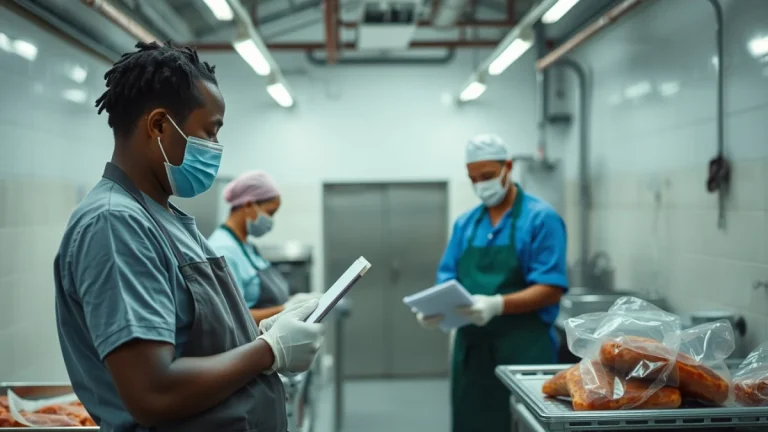
- Receiving raw materials, checking labels and use-by dates
- Prepping ingredients with safe cutting and portioning techniques
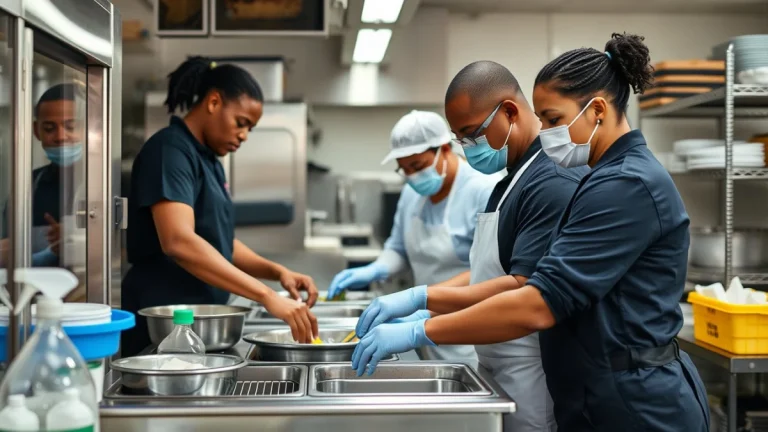
- Cleaning work areas and sanitizing utensils after use
- Monitoring fridge and freezer temperatures and logging them
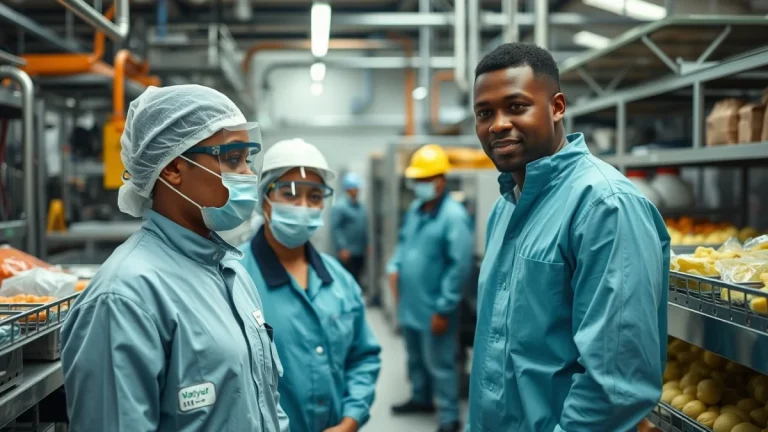
- Using personal protective equipment (PPE) correctly, like gloves and hairnets
- Spotting any possible contamination signs and reporting them immediately
Under pressure, beginners often rush and skip a hygiene step, risking food contamination or cross-contamination between raw and cooked items. Employers value assistants who know it’s better to slow down and follow procedures fully. That attention to detail can be the difference between smooth production and costly waste or health risks.
Key Food Production Assistant Skills Explained
1. Food Safety and Hygiene
Food safety goes beyond wearing gloves and washing hands. It includes understanding how bacteria spread and which surfaces or equipment need constant sanitation. For beginners, it’s easy to underestimate the importance of personal hygiene or skip washing hands between certain tasks. This mistake can cause food illness outbreaks in a kitchen setting.
2. Safe Food Handling and Storage
Raw and cooked foods must never mix. Proper temperature control and clear labeling/dating prevent food spoilage. Many newbies don’t realise how quickly bacteria can multiply if food sits too long in the temperature danger zone (5°C to 60°C). This can lead to serious quality or safety problems on the production line.
3. Cleaning and Sanitation
Cleaning and sanitizing are related but different tasks. Cleaning removes dirt and residues, while sanitizing kills microbes on surfaces. Without both done well, food contamination risk stays high. Workplace cleaning schedules must be compliant and strictly followed every day—something a careless assistant can easily overlook.
4. Equipment Use and Maintenance
Food production environments use various tools and machines, from slicers to mixers. Knowing how to operate these safely and keep them clean is vital. Careless use might cause workplace injuries or damage costly equipment. Regular maintenance extends equipment life, another detail beginners often miss.
5. Health and Safety Awareness
Recognizing hazards like wet floors, sharp objects, or broken gear protects everyone. Wearing PPE and knowing emergency procedures create a safer workplace. A common beginner mistake is thinking this is “someone else’s job.” In practice, all team members share responsibility for health and safety.
6. Quality Control
Assistants help check food freshness and conditions visibly and report defects. This keeps product standards consistent and avoids losses. Not flagging small problems early leads to bigger batch-wide issues or customer complaints.
7. Documentation and Communication
Keeping accurate logs of temperatures, cleaning, and stock isn’t just paperwork—it’s a legal and safety tool. Failing here wastes time and can cause costly audits to fail, penalties, or worse. Good communication with supervisors about food issues or equipment faults also keeps production smooth.
A Realistic Workplace Scenario
Picture a food production line in a Cape Town poultry plant. It’s peak time, and multiple assistants work in tight spaces. One assistant forgets to change gloves between handling raw chicken and cooked products. This slips past the supervisor and contaminates a batch. The result? The batch gets rejected during quality checks, causing delays and losses.
This common slip-up shows why skills like proper glove use, hygiene discipline, and awareness of cross-contamination risks are non-negotiable. Learning these from a practical free online food production assistant course in South Africa can prepare you for real workplace pressures.
Common Misunderstandings About the Role
- It’s just manual work: While physical tasks are key, you need strong knowledge about food safety rules, equipment, and processes.
- No prior experience needed: True, but without good training, beginners often repeat mistakes that slow team flow and reduce quality.
- Food safety is only the chef’s responsibility: Actually, every assistant plays a critical role in preventing contamination and must be proactive.
- Record-keeping is just admin: Logs and reports are vital tools that protect the company and staff. Poor documentation leads to serious consequences.
Advice for Beginners Starting as Food Production Assistants
- Take any free food production assistant online training seriously—it builds habits that protect health and your job.
- Practice patience over speed. Rushing causes errors that harm quality and safety.
- Ask questions if unsure about procedures or equipment—no one expects you to know everything immediately.
- Focus on hygiene: wash hands properly and follow PPE rules without cutting corners.
- Watch and learn from experienced workers but never assume—it’s your responsibility to understand why tasks are done a certain way.