Food Production Assistant Interview Questions and Answers
Getting ready for a food production assistant interview can be tricky, especially if this is your first role in a busy South African kitchen or food manufacturing setting. This guide helps you prepare for common questions by focusing on practical, real-life answers that work in interviews. We focus on the free food production assistant course with certificate in South Africa you can take to boost your confidence and know-how before stepping into an interview room.
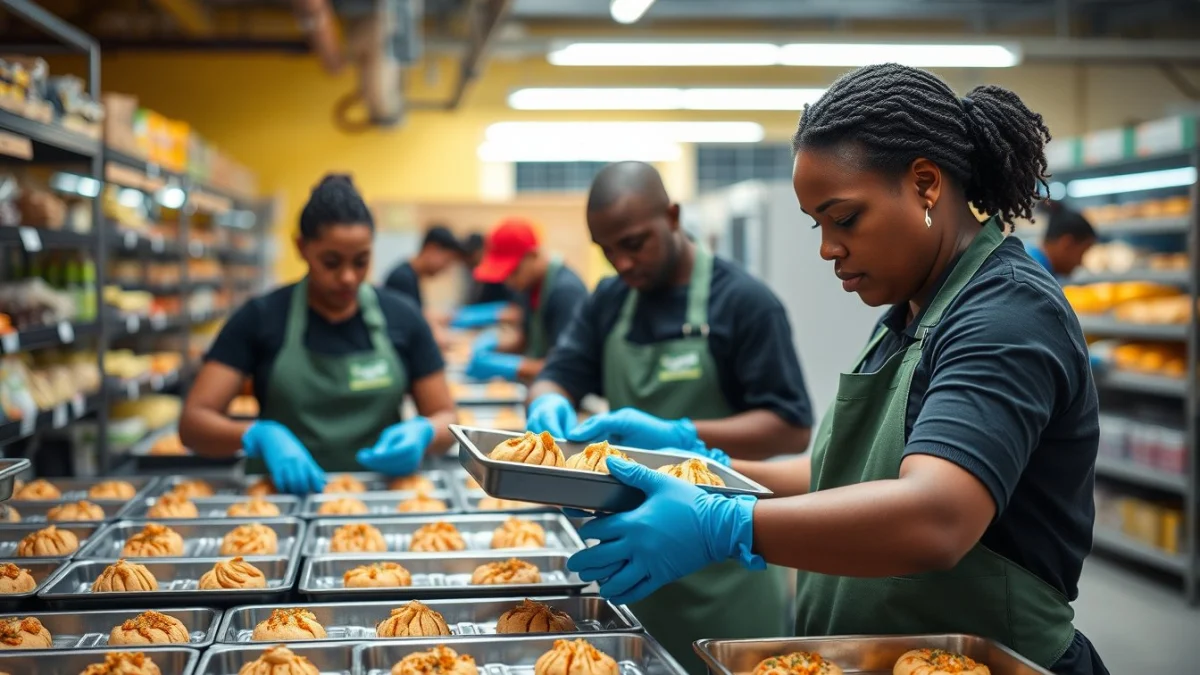
Many beginners worry about what employers really want to hear—and sometimes candidates stumble because they overlook what a typical workday feels like. For example, food production assistants often handle fast-paced tasks like measuring ingredients under pressure or spotting spoilage before it causes waste. Knowing these everyday challenges will help you give answers that show you understand the job beyond just the textbook.
What To Know First: The Main Themes in Food Production Assistant Interviews
Interviewers typically want to test three things:
- Knowledge of food safety and hygiene – Can you handle food safely and keep the workspace clean?
- Ability to follow instructions and teamwork – Do you understand your role and how to work with others?
- Problem-solving and reliability – How do you deal with mistakes or unexpected issues on the job?
These themes form the basis of many common interview questions, so preparing answers around them is your best bet.
Sample Interview Questions and Practical Answers
1. What are the main duties of a food production assistant?
Answer: A food production assistant helps with preparing food by measuring ingredients, ensuring food safety, cleaning workstations, and supporting the team in keeping production running smoothly. You also need to follow hygiene rules, handle equipment safely, and report any problems.
Workplace tip: Employers appreciate if you mention your awareness of temperature control for storing food correctly, as many beginners neglect this.
2. How do you ensure food safety and personal hygiene at work?
Answer: I wash my hands thoroughly before and after handling food, wear clean work clothes, and use gloves when needed. I always separate raw and cooked foods to avoid cross-contamination and follow cleaning schedules for tools and surfaces.
Practical note: Don’t just say “I keep clean”—share specific steps like correct hand-washing technique or how to sanitize knives properly. These details show you know what a safe kitchen demands.
3. What would you do if you notice food spoilage or contamination?
Answer: I would immediately notify my supervisor or quality control staff and remove the food from the preparation area. I understand that using spoiled products can cause health risks and harm the company’s reputation.
Hidden mistake: Some beginners hesitate to report issues for fear of blame. Be clear that acting fast is essential and shows responsibility.
4. How do you handle working under pressure during busy shifts?
Answer: I stay organised by following instructions step-by-step and using time-saving techniques like prepping ingredients in batches. I ask for help or clarification when needed and keep calm so I don’t make careless mistakes.
Real job insight: Food production is often fast and repetitive. Showing you can maintain focus and pace without cutting corners is key.
5. Can you explain the importance of teamwork in food production?
Answer: Food production depends on everyone doing their part at the right time. Helping colleagues, sharing information, and communicating clearly prevents delays and mistakes that could spoil food or slow down the process.
Practical note: Mention a time you worked successfully with others or resolved conflicts calmly—it’s a powerful proof point.
Step-by-Step Guidance for Answering Interview Questions
- Listen carefully: Before answering, make sure you understand the question properly.
- Use examples: Share brief stories from your experience or training that show you can do what they ask.
- Focus on safety: Always underline your commitment to food safety and hygiene—this is non-negotiable in food roles.
- Be honest: If you don’t know something, say you are eager to learn and mention how you have been studying or training.
- Show teamwork: Emphasise how you work well with others and take directions.
- Keep it brief: Answer clearly and to the point, aiming for no more than a few sentences per question.
Common Mistakes to Avoid in Your Interview
- Giving vague answers: Saying things like “I’m good at my job” without examples won’t impress employers.
- Ignoring food safety: Forgetting to mention hygiene or contamination control is a red flag.
- Overpromising skills: Don’t claim skills you don’t have—focus on your willingness to learn and grow.
- Being negative about past experiences: Employers want positive, solution-focused attitudes.
- Not preparing for practical questions: Many interviews include questions about real scenarios, so practise these.
How to Customize Your Answers for South African Food Production Jobs
South African kitchens and food factories often follow strict food safety laws. Mention that you understand these local rules. For example, knowing about the National Regulator for Compulsory Specifications (NRCS) standards or how to work safely in hot kitchens under local health codes can set you apart.
Also, adapting answers to show you understand the common ingredients, food types, and working conditions in South African settings helps show you are job-ready.
For example: “I’m familiar with prepping staple foods like maize porridge and handling perishable items common in our market.”
Extra Examples of Practical Interview Questions
- Describe a time you identified a safety hazard during food production. What did you do?
- How do you prioritize tasks when the kitchen gets busy?
- What steps do you take when receiving new food stock?
- Explain how you would clean and sanitize a workstation after use.
- How do you keep records of temperature checks or cleaning schedules?
Use answers that are straightforward and show your ability to follow rules and keep food safe.