Food Production Assistant Career Path in South Africa
Starting a career as a food production assistant is a solid way into South Africa’s food industry. If you’re looking for a free food production assistant course with certificate in South Africa, it’s important to know what the role really involves, what skills you’ll need, and how it fits into the bigger picture. This job is about more than just chopping vegetables or washing dishes—it’s about keeping food safe, working well with a team, and managing daily tasks that keep kitchens running smoothly.
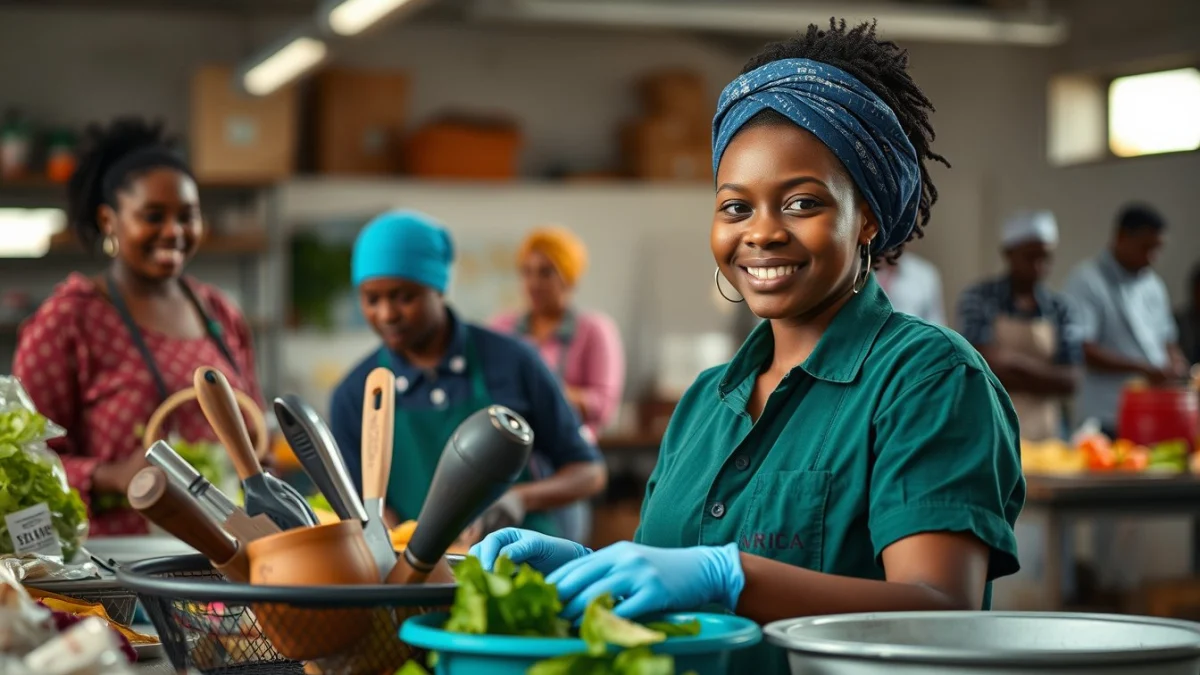
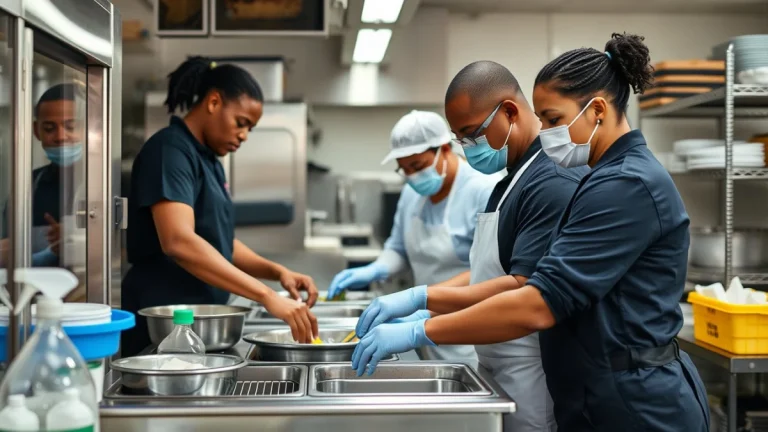
Many beginners underestimate how fast-paced food production environments can be. You might face pressure to handle large orders quickly without cutting corners on hygiene or safety. A typical day could involve moving between food prep, cleaning, and checking for quality issues. One common rookie mistake is rushing food preparation and ignoring proper hand-washing—something that can easily lead to contamination or complaints. Knowing this upfront helps you be realistic and better prepared.
What the Role Involves
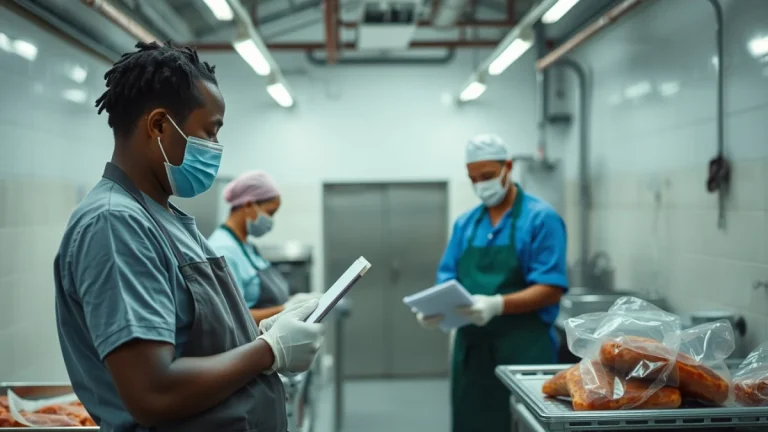
As a food production assistant, you’ll support cooks and supervisors by prepping ingredients, following hygiene rules, handling equipment, and cleaning up. This role is practical and hands-on. You’ll measure and portion ingredients, separate raw from cooked food, label items, and maintain food safety logs.
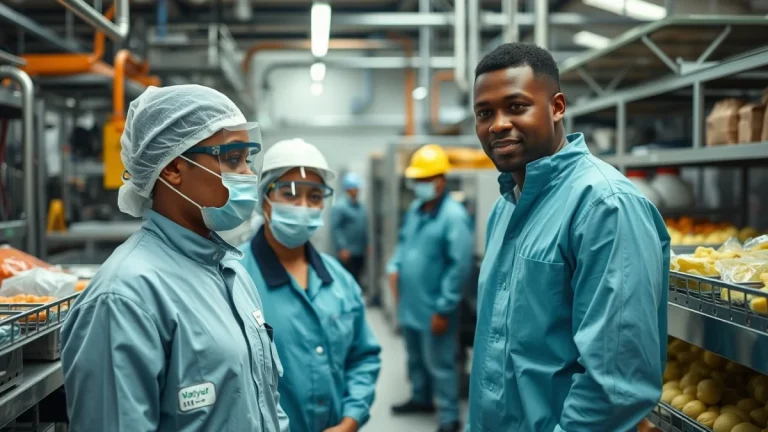
Workplaces vary—from small local bakeries or canteens to large food manufacturers. You’ll quickly learn about teamwork: some days involve teaming up for big deliveries; others, you’ll handle solo tasks. Mistakes in this role usually show up as food waste, customer complaints, or safety incidents, so accuracy and routine matter.
Skills Needed
- Attention to hygiene: Strict hand-washing, correct uniform use, and avoiding cross-contamination.
- Basic food handling: Knowing how to store foods at the right temperature and understanding spoilage signs.
- Teamwork: The kitchen moves fast. Communication and cooperation are key.
- Equipment use: Operating common kitchen tools safely (knives, mixers, peelers) without shortcuts.
- Record keeping: Filling in cleaning and temperature logs accurately to prevent issues.
- Problem-solving: Spot problems early, such as spoiled ingredients or malfunctioning equipment.
One overlooked skill is managing time during busy periods. Beginners often struggle with juggling cleaning duties and food prep, which can cause delays or rushed hygiene steps.
Qualifications and Learning Path
The route into this career is straightforward. You don’t need formal qualifications to start, but completing a free online food production assistant course SA helps you get essential skills and a certificate to boost your CV.
Free food production assistant courses South Africa typically cover practical topics like food safety, hygiene, workplace health and safety, equipment handling, and basic food prep. This prepares you for the realities of the job.
Such courses often include quizzes and final assessments, giving learners confidence before entering the workplace. Plus, with free certificate courses online with certification, beginners have a no-cost way to prove their readiness to employers.
Industries Hiring Food Production Assistants
Food production assistants find roles across South Africa’s food sector, including:
- Commercial kitchens and catering companies
- Food processing factories
- Bakeries, butchers, and butcheries
- Supermarket fresh food departments
- Restaurants and fast food chains
- Community feeding schemes and canteens
Larger operations usually have stricter safety standards but can offer more training and opportunities to grow. Smaller kitchens demand versatility but might move slower.
Career Growth Opportunities
Starting as a food production assistant opens doors to several career paths. Many progress to roles like kitchen supervisor, food safety officer, or production team leader after gaining experience and further training.
Some assistants develop specialised skills in bakery, butchery, or quality control. Others go into logistics, inventory management, or food packaging. Each step up means more responsibility for maintaining safety and quality.
Keep in mind that employers often value practical experience and reliability as much as formal qualifications. Staying consistent with hygiene standards and showing a good work ethic helps you stand out.
Salary Expectations
The starting pay for food production assistants in South Africa is generally entry-level—roughly R3,500 to R5,500 per month depending on location, employer size, and your experience.
With more skills and responsibility, salaries can increase to R7,000 or more monthly in supervisory roles or larger companies. Understanding that the job can be physically demanding and fast-paced helps you set realistic pay expectations.
Future Opportunities
The food industry in South Africa is growing and evolving. With rising demand for safer food, healthier options, and higher hygiene standards, food production assistants who continue learning will stay in demand.
Free food production assistant skills training South Africa offers a way to keep up with changes, such as new food safety rules or equipment technologies. Workers willing to take on shifts, learn new procedures, or specialise stand to benefit the most long-term.
Beginner Tips
- Don’t rush through hygiene basics. Proper hand-washing and surface cleaning prevent issues down the line.
- Ask questions early when you’re uncertain about food temperatures, storage, or equipment operation.
- Keep notes or pictures if possible—many beginners forget procedures or safety steps until they’re in the thick of work.
- Learn some kitchen lingo and common food terms used locally—it helps with communication.
- Take the free online food production assistant training seriously. It prepares you better than trial and error on the job.
- Be honest about your skills; don’t take shortcuts that can risk safety or quality.