Food Preparation Skills for Kitchen Assistants: What to Know First
Starting a kitchen assistant role means learning practical food preparation skills that keep the kitchen running smoothly and safely. If you’re looking for a free Kitchen Assistant Course with Certificate in South Africa, this article will give you a clear, no-nonsense view of the key food prep skills you need. Right away, know that food prep goes beyond chopping and mixing — it’s about timing, hygiene, and working well under pressure in a real kitchen environment.
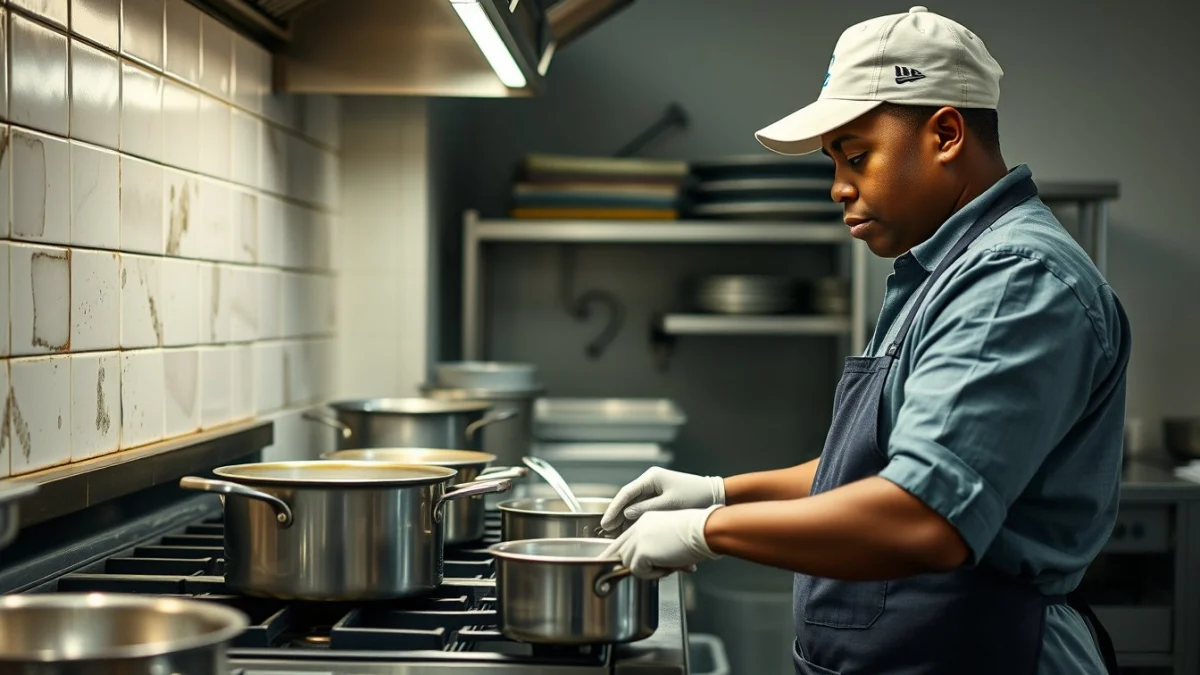
Many beginners get stuck on simple tasks like cutting vegetables or measuring ingredients because they underestimate how those basics affect the whole kitchen’s workflow and safety. In a busy South African hotel or restaurant kitchen, you might face a noisy, fast-moving space where the smallest mistake can cause delays or food safety risks. For example, cutting boards must be cleaned and switched often to avoid cross-contamination—something that often catches new kitchen assistants off guard.
What Food Preparation Skills Really Mean for Kitchen Assistants
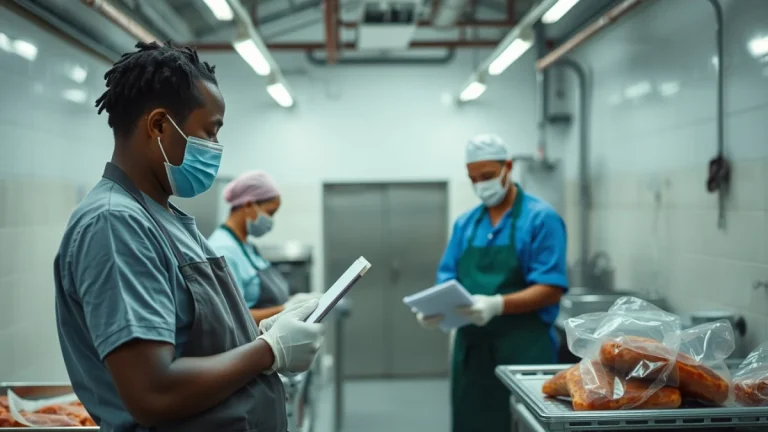
At its core, food preparation skills cover all the steps you take to get ingredients ready for cooking. This includes cleaning, peeling, chopping, measuring, and portion control. These skills support chefs and keep food coming out on time and up to standard. In practice, it means more than just handling knives: it requires awareness of hygiene, safety, and timing.
Why Food Prep Matters on the Job
- Speed and efficiency: If ingredients aren’t prepped correctly or on time, cooking slows and customers wait longer.
- Food safety: Improper prep can cause contamination and spoil dishes.
- Waste control: Accurate measurements avoid wasting food and money.
- Teamwork: Ready ingredients mean chefs can focus on cooking, so your role supports the entire kitchen.
Core Food Preparation Tasks for Kitchen Assistants
Here’s what you’ll be doing most days in food prep:
- Cleaning and peeling: Washing vegetables and fruits, peeling skins safely.
- Cutting and chopping: Slicing ingredients uniformly and safely using correct knife techniques.
- Measuring and portioning: Using scales or measuring cups to get ingredient amounts right.
- Organising ingredients: Arranging prepped items cleanly for chefs to grab.
- Following simple recipes or instructions: Understanding basics to prepare components correctly.
A Practical Tip That Often Gets Missed
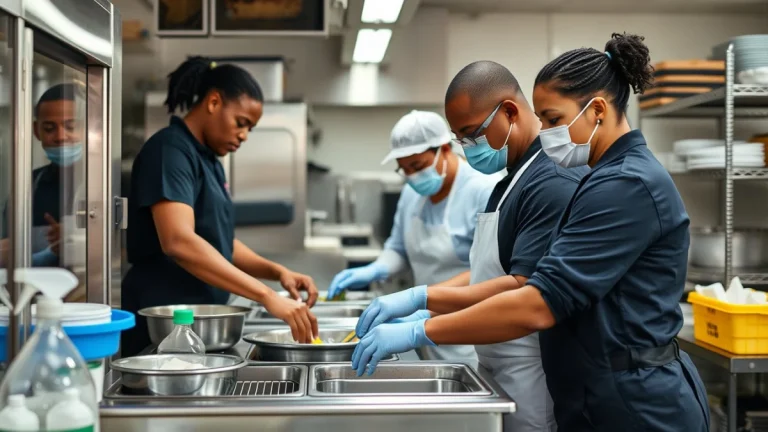
Many beginners don’t realise how important it is to keep your workstation clean throughout food prep, not just at the end. Cleaning as you go prevents cross-contamination and speeds up your work. Leaving vegetable scraps on a cutting board, for example, can cause delays when you need the board again immediately.
How This Works in a Real South African Kitchen
Picture a typical local café kitchen during lunchtime. Orders pile up fast, the chef calls for prepped ingredients, and you’re expected to stay calm, accurate, and fast. A typical mistake is rushing to chop without organising ingredients properly or checking knives before use. This can result in uneven cuts or injuries. Experienced kitchen assistants know to check tools before starting, keep space tidy, and alert the chef if something runs low.
Your ability to prepare food safely and on time directly affects the entire kitchen’s rhythm. If you’re too slow or sloppy, the cooks might have to pause or remake dishes, costing time and money. This makes good food prep skills a real priority if you want to work well and grow in your role.
Common Misunderstandings About Food Preparation for Beginners
Beginners often think:
- “Chopping is just cutting.” It’s more about precision and efficiency. Thick or uneven cuts can lead to inconsistent cooking.
- “Hygiene doesn’t matter if I’m careful.”strong> Hygiene rules are strict. Even a small slip, like touching food with bare hands, creates real risks.
- “Measuring is not a big deal.” Wrong portion sizes affect taste, cooking time, and kitchen costs.
Ignoring these details can slow you down, frustrate your team, or lead to food waste and complaints.
Tips for Beginners Learning Food Prep Skills Online
- Watch demo videos closely—see how experienced assistants handle tools and ingredients.
- Practice knife handling at home with supervision, focusing on safe grips and cutting techniques.
- Create a checklist for your prep steps until it becomes second nature.
- Learn kitchen hygiene standards thoroughly to avoid mistakes that cause stop-work situations.
- Ask questions and review basic cooking terms to understand recipe instructions better.