Food Manufacturing Quality Control: What to Know First
Quality control in food manufacturing means checking every step to make sure products are safe, clean, and match set standards before they reach consumers. When you take a free food manufacturing fundamentals course with certificate in South Africa, you get a clear picture of how this process protects customers and businesses alike.
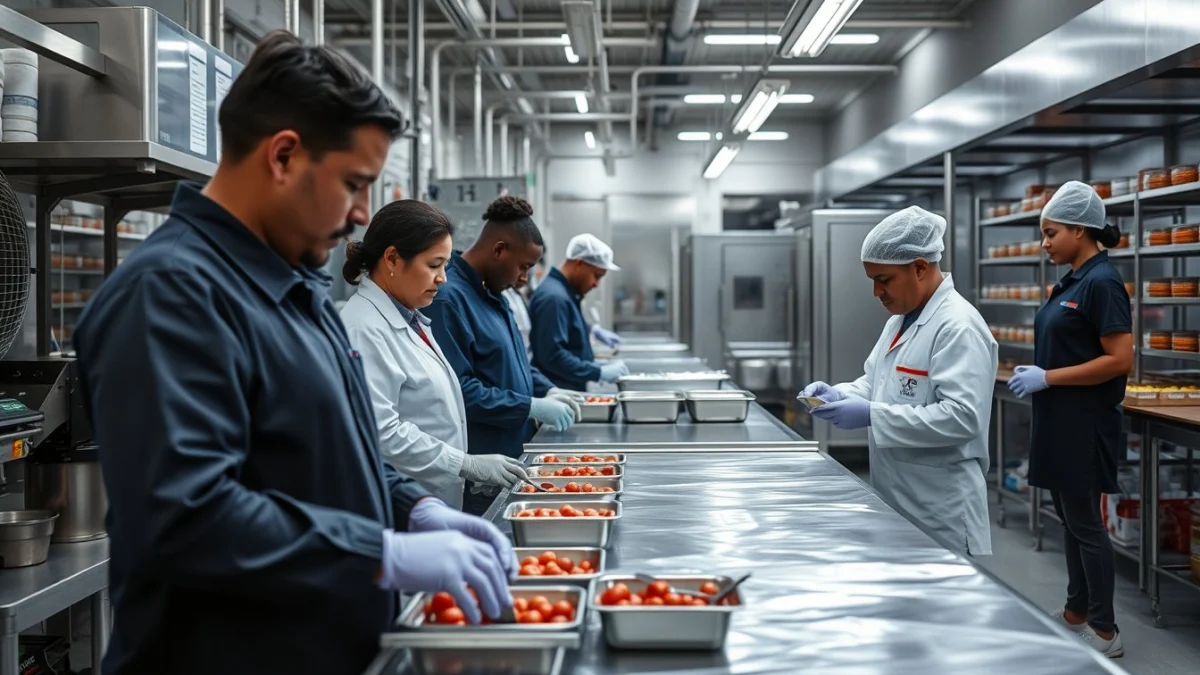
Many beginners jump in thinking quality control just means random testing or ticking boxes. In reality, it’s a continuous, detailed system that needs sharp attention to detail, especially on busy factory floors where time pressure leads to overlooked hazards or rushed checks. For example, missing one contamination spot on food packaging can lead to product recalls—a costly headache for any producer.
What Is Quality Control in Food Manufacturing?
Quality control (QC) involves a set of practices aimed at keeping food safe and consistent. This includes testing ingredients, monitoring processing conditions, inspecting packaging, and keeping records. QC helps catch errors early to avoid problems like contamination, spoilage, or legal penalties.
Why Quality Control Matters at Work
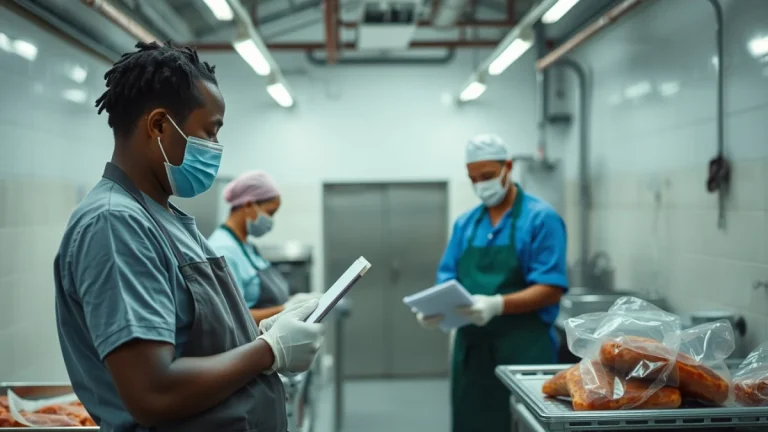
Imagine a worker handling meat packaging who doesn’t clean their gloves properly. Without proper QC, contaminated products might be sent out. This risks consumer health and company reputation. QC systems make sure hygiene rules are followed, equipment is clean, and food stays safe through every stage—from raw materials to shipping.
In South Africa, with strict food safety laws, failing QC checks isn’t just bad business—it can lead to fines or shutdowns. So quality control isn’t an optional extra; it’s the backbone of food manufacturing.
Key Parts of Quality Control in Food Manufacturing
- Ingredient Inspection: Raw materials are checked on arrival for freshness, contamination, or damage. Rejecting poor ingredients is the first defence.
- Process Monitoring: Temperature, timing, and equipment functioning need constant checks to meet safety standards.
- Sampling and Testing: Samples from batches undergo sensory, chemical, and microbiological tests.
- Packaging and Labelling Checks: Packaging must protect the food and labels must have correct info.
- Record Keeping: Documentation tracks everything from inspections to corrective actions taken.
Roles and Responsibilities
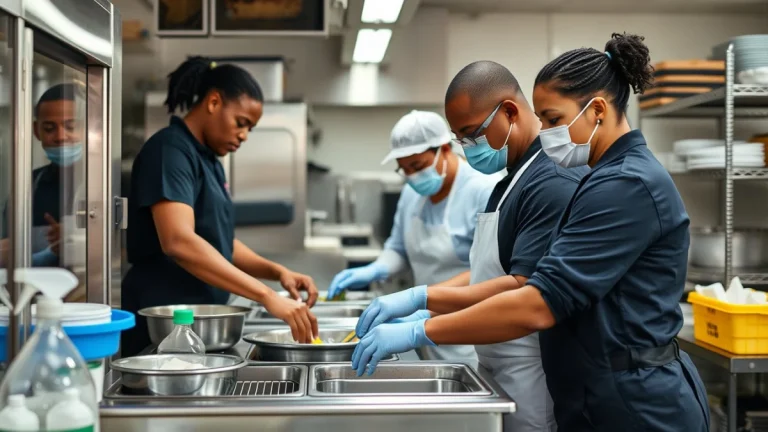
While there’s usually a quality control team, everyone involved in food manufacturing plays a role. Operators must follow hygiene practices; supervisors enforce standards; and managers support training and audits.
Skipping QC steps or rushing checks is a common beginner mistake that can cause costly recalls or threaten health.
A Practical Workplace Example
In a South African bakery, a production worker notices the dough mixer isn’t heating evenly. They alert the quality control team, who halt production to fix the problem. Testing ensures the batch isn’t compromised before continuing. Without that QC stop, poor-quality bread would have gone out, risking customer complaints and lost sales.
This moment shows how QC is a teamwork effort where awareness and swift action protect product quality and consumer safety.
Common Misunderstandings About Food Manufacturing QC
- QC Is Not Just Final Product Testing: Waiting to test only at the end misses issues that build up during processing.
- Quality Control Isn’t Only for Big Factories: Even small or informal food producers need to apply hygiene and quality checks.
- QC Does Not Stop Foodborne Illness Alone: It supports but must go hand in hand with proper food safety training.
- Documentation Is Not Paperwork for Paperwork’s Sake: It’s crucial proof that standards are followed and problems solved.
Advice for Beginners Starting with Food Manufacturing Quality Control
- Learn and follow hygiene protocols strictly—small lapses cause big risks.
- Pay attention to details and processes, not just the end product.
- Ask questions when unsure about procedures; it’s better than guessing.
- Keep clear records of checks and findings; they help solve issues later.
- Take formal training like a free food manufacturing fundamentals course South Africa offers to build confidence and skills.