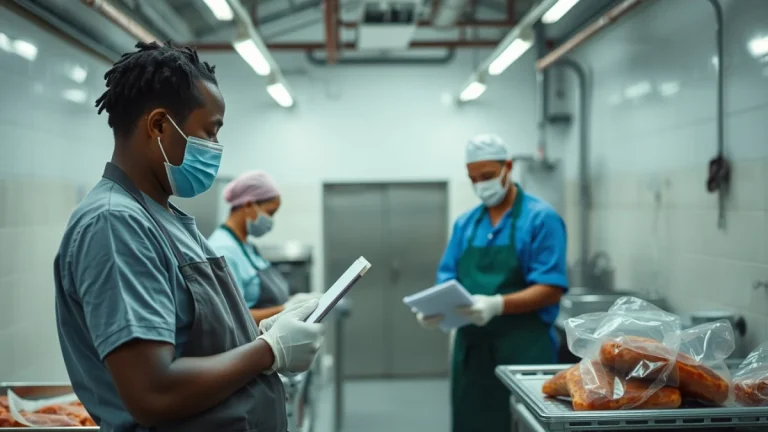
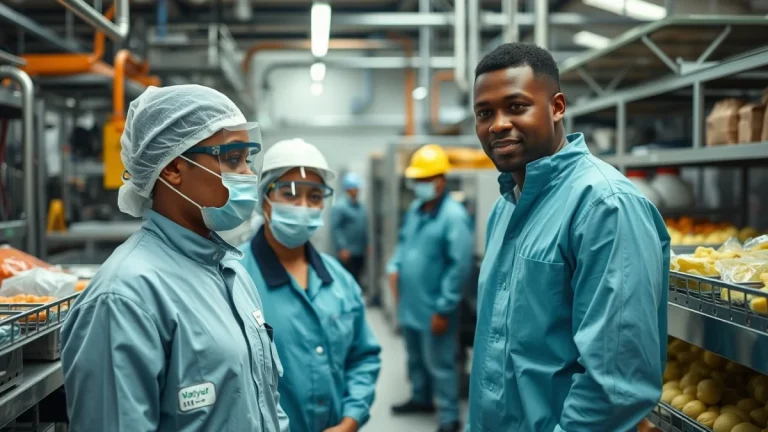
Understanding the Food Manufacturing Process
If you’re looking for a straightforward explanation of the food manufacturing process, you’re in the right place. This article breaks down what happens step by step, so you can grasp the basics easily—especially if you’re interested in the Free Food Manufacturing Fundamentals Course with Certificate in South Africa.
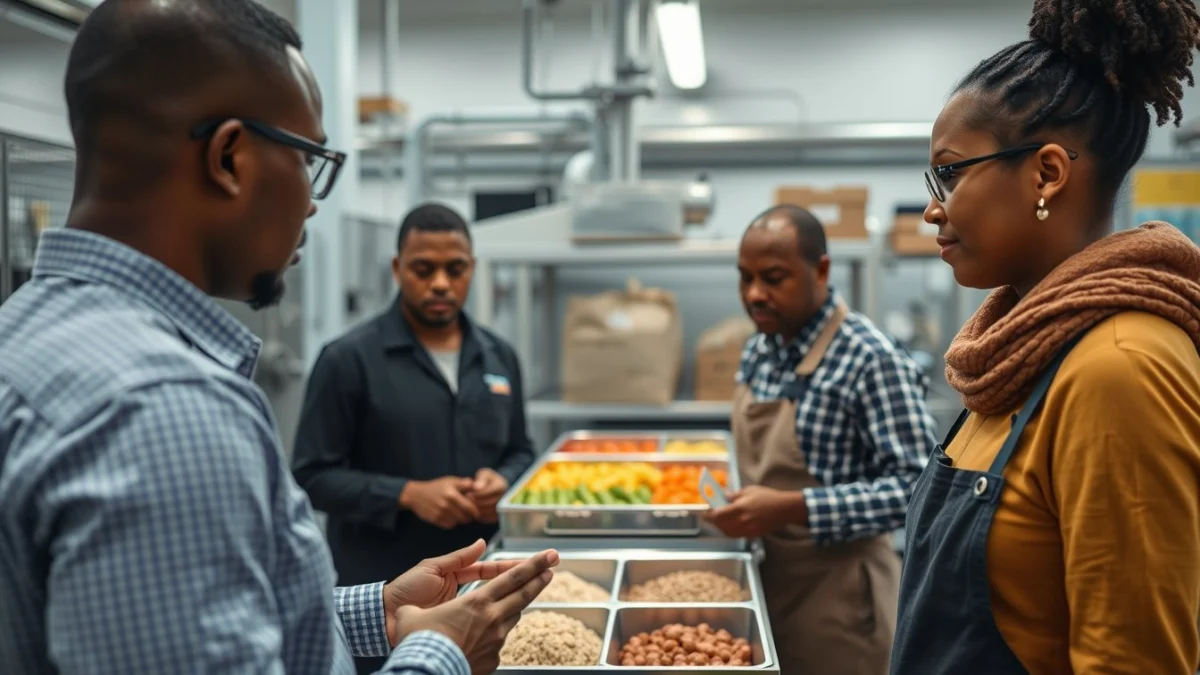
Starting out in food manufacturing can feel overwhelming. Many beginners confuse food safety rules or don’t realise how strictly quality control impacts the final product. In a busy South African food plant, even a small slip-up, like ignoring correct ingredient storage, can cause delays or worse, unsafe food reaching customers. Knowing the practical steps ahead of time helps you avoid these common pitfalls and understand why each part matters.
What the Food Manufacturing Process Means
At its core, food manufacturing is turning raw ingredients into safe, tasty food products that can be sold and consumed. This involves sourcing materials, processing them, packaging, and delivering the finished goods. It’s not just about cooking; it’s also about making sure every stage meets health and safety standards.
Why It Matters in the Workplace
Food manufacturing is critical in South Africa because it supports millions of jobs, feeds local communities, and maintains public health. Getting the process right reduces waste, prevents product recalls, and builds trust with customers. For someone working on the factory floor, understanding each step ensures you play your part in delivering quality food safely and efficiently.
The Main Steps in the Food Manufacturing Process
1. Sourcing and Inspecting Raw Materials
Manufacturing starts with buying the right ingredients. In South Africa, suppliers must follow strict food safety laws, but workers still need to check for freshness, contamination, or incorrect labelling. A typical beginner mistake here is overlooking traceability—being able to quickly track where each ingredient came from in case of problems.
2. Proper Storage of Ingredients
Raw materials have specific storage needs. For example, dairy requires refrigeration, while dry goods must stay in cool, dry places. Storing food improperly can cause spoilage or bacterial growth, which risks the entire batch. Despite clear rules, overlooking the small details like humidity control or stock rotation is common and leads to waste.
3. Food Processing Methods
This involves cleaning, mixing, cooking, or preserving ingredients. The processing equipment—whether ovens, mixers, or fillers—must be maintained and operated correctly to ensure safety. Workers often underestimate how precise temperature control affects product safety, especially in pasteurisation or freezing steps.
4. Quality Control and Assurance
Quality checks happen throughout manufacturing. Samples are tested to catch contamination or inconsistencies early. Documentation of these tests is vital for compliance and tracking progress. A reality in South African plants is pressure to speed up production, but skipping quality tests can lead to costly recalls or health risks.
5. Packaging and Labelling
Packaging protects food and provides necessary information for consumers. It must meet safety standards—materials should not contaminate food, and labels must include correct details like expiry dates and ingredients. Beginners sometimes miss that poor packaging can shorten shelf life or cause damage during transport.
6. Storage, Distribution, and Transportation
Finished products need correct storage until delivery. Transport conditions—temperature, humidity, vibration—must be safe to maintain food quality. Distributions in South Africa face challenges like long distances and variable road conditions, making proper packaging and handling even more important.
7. Maintaining Workplace Safety
Food manufacturing can be hazardous: workers handle heavy machinery and chemicals, so following safety protocols, wearing PPE, and knowing emergency procedures are non-negotiable. Companies that neglect safety risk injuries, legal penalties, and production delays.
A Real Workplace Scenario: What Happens When Steps Are Missed
Imagine a food plant where the storage of raw materials is done quickly without proper checks due to pressure on staff. Spoiled ingredients get used in production, leading to a batch of contaminated food. Quality control misses the issue because sampling was rushed. The faulty products reach shelves, causing consumer illness and a product recall. This scenario isn’t rare and shows why every part of the process must be done right—even small shortcuts have big consequences.
A Common Misunderstanding: Food Safety vs. Food Quality
Many beginners mix these up, thinking food safety is about taste or appearance. Actually, food safety focuses on preventing contamination and illness, while quality includes texture, flavour, and consistency. Both matter, but safety always comes first because no tasty product is worth the risk of food poisoning.
Tips for Beginners in Food Manufacturing
- Stick carefully to hygiene rules—even small mistakes like touching your face can contaminate food.
- Learn to recognise critical control points—these are moments in production that must be managed closely to prevent hazards.
- Keep accurate, up-to-date records; they protect you and the company if problems arise.
- Ask questions. South African food manufacturing workplaces vary, and understanding local regulations and company policies is key.
- Take your time with training courses like our free Food Manufacturing Fundamentals Course with Certificate in South Africa to build solid skills before jumping into work.