
Transport Methods Used in Logistics
Common Transport Options in Logistics
Transport Methods Used in Logistics are crucial for moving goods efficiently from one place to another. Choosing the right method depends on factors like cost, speed, type of goods, distance, and infrastructure.
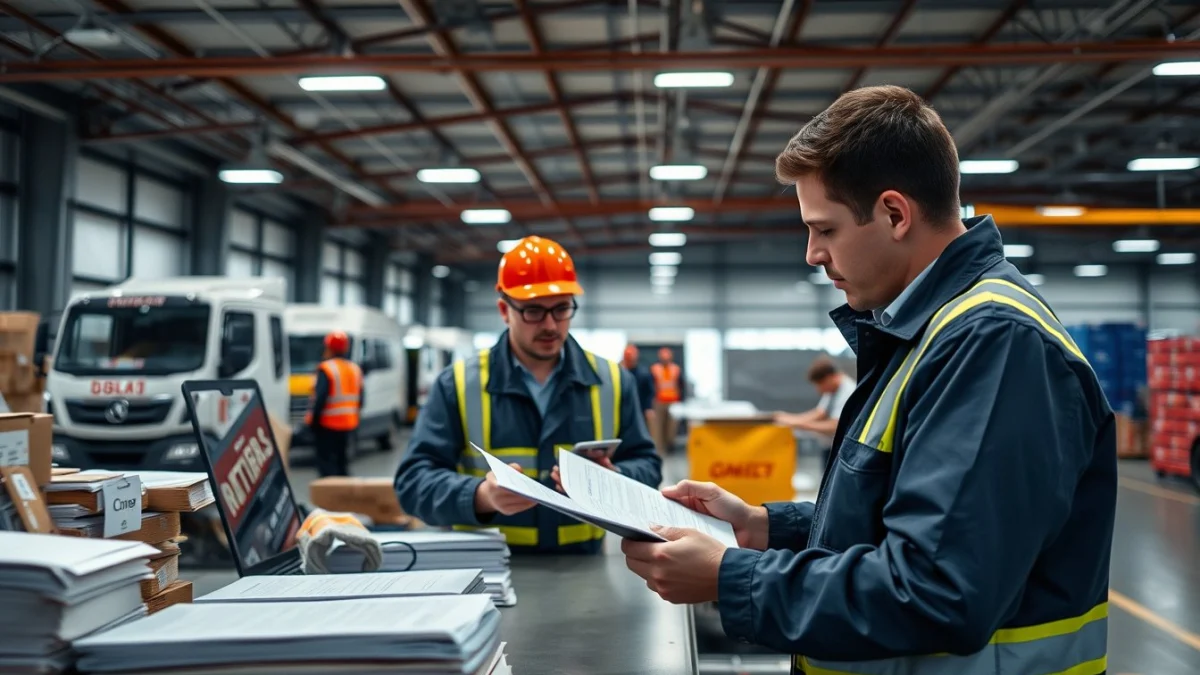
Here are the main transport methods used in logistics:
- Road Transport: This is the most common method in South Africa. Trucks and vans carry goods directly to stores, warehouses, or customers. Road transport is flexible and good for short to medium distances. It works well for most goods, especially those that need fast delivery.
- Rail Transport: Trains are ideal for heavy and bulky goods over long distances. Rail transport is more fuel-efficient and cheaper per ton-kilometre than road. It suits bulk items like minerals, coal, and large container loads. However, rail depends on fixed routes and schedules.
- Air Transport: Air freight is fastest but most expensive. It is mainly used for high-value, urgent, or perishable goods. For example, electronics, medical supplies, or fresh flowers. Airports and airlines must have proper logistics to handle air cargo efficiently.
- Sea Transport: Also called maritime transport, this method moves large volumes of goods internationally. It handles containers, bulk cargo, and heavy items like vehicles and machinery. Sea transport is slower but much cheaper than air, making it common for imports and exports.
- Pipelines: Pipes are used for liquids and gases like oil, water, and natural gas. This method is safe and efficient for continuous transport over long distances. Pipelines require high investment but low operating costs once built.
Each method has advantages and challenges. Often, logistics uses a combination in what is called intermodal transport. For example, goods may travel by ship to a port, then by truck to a warehouse, and finally by van to the customer.
Understanding Transport Methods Used in Logistics helps businesses plan cost-effective and reliable delivery systems. It also supports South Africa’s growing economy by keeping supply chains strong and responsive.
Live Scenario • Active Situation
You are a logistics coordinator at a South African distribution centre managing urgent deliveries.
There is no single perfect answer. Choose what you would do in this situation.
