
Understanding the Supply Chain Process
How the Supply Chain Works from Start to Finish
Understanding the Supply Chain Process is key for anyone studying logistics or supply chain management. It explains how goods move from raw materials to the customer, making sure products arrive on time, in good condition, and at the right cost.
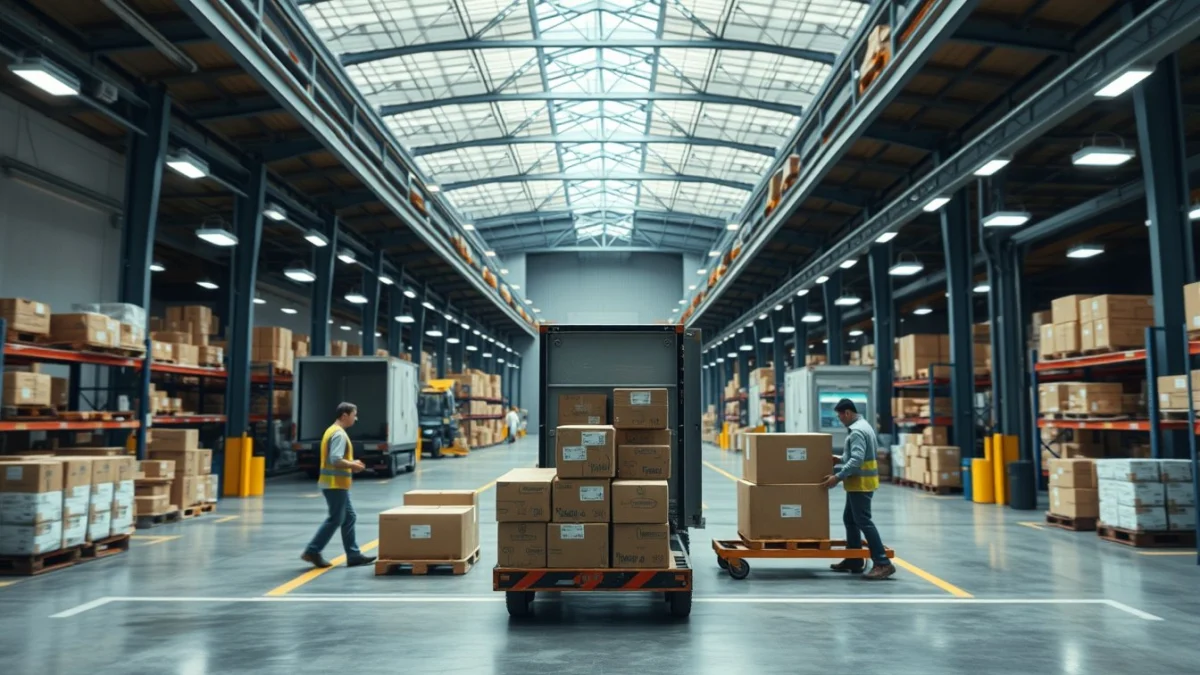
The supply chain is a series of connected steps. Each step adds value and takes the product closer to the end user. It involves many players such as suppliers, manufacturers, warehouses, transporters, and retailers.
Here are the main stages in the supply chain process:
- Procurement: This is where raw materials or basic parts are sourced. Buyers work with suppliers to get the right materials at the best price and quality.
- Manufacturing: Raw materials are turned into finished products. It involves production planning, assembling, quality checks, and packaging.
- Warehousing: After production, goods are stored safely in warehouses. Effective warehousing helps to manage stock levels and prepare orders for delivery.
- Transportation: Products are moved from warehouses to retailers or directly to customers. Choosing the right transport method is important to save time and costs.
- Distribution: This stage involves the delivery of products to the final customer or store. It must be well-organised to meet customer demand and satisfaction.
- Customer Service: Support after delivery, such as handling returns or inquiries, ensures customer happiness and is part of the supply chain.
Each part of the supply chain depends on the others. Good communication and planning help avoid delays or extra costs. Technology, like tracking systems and software, makes managing these steps easier and faster.
Understanding the Supply Chain Process also includes knowing how risks like delays, shortages, or damage are handled. Successful supply chains stay flexible to respond quickly to problems.
In South Africa, supply chains must consider local challenges such as long distances, infrastructure issues, and customs regulations when importing or exporting.
By learning how these stages work together, learners can see the importance of coordination and efficiency in logistics. This knowledge helps improve supply chain operations and leads to better service for customers.
Live Scenario • Active Situation
You are a Supply Chain Coordinator at a manufacturing company.
There is no single perfect answer. Choose what you would do in this situation.
