
Accurate Filing, Tracking, and Record Keeping
Why Accurate Filing, Tracking, and Record Keeping Matter in Logistics
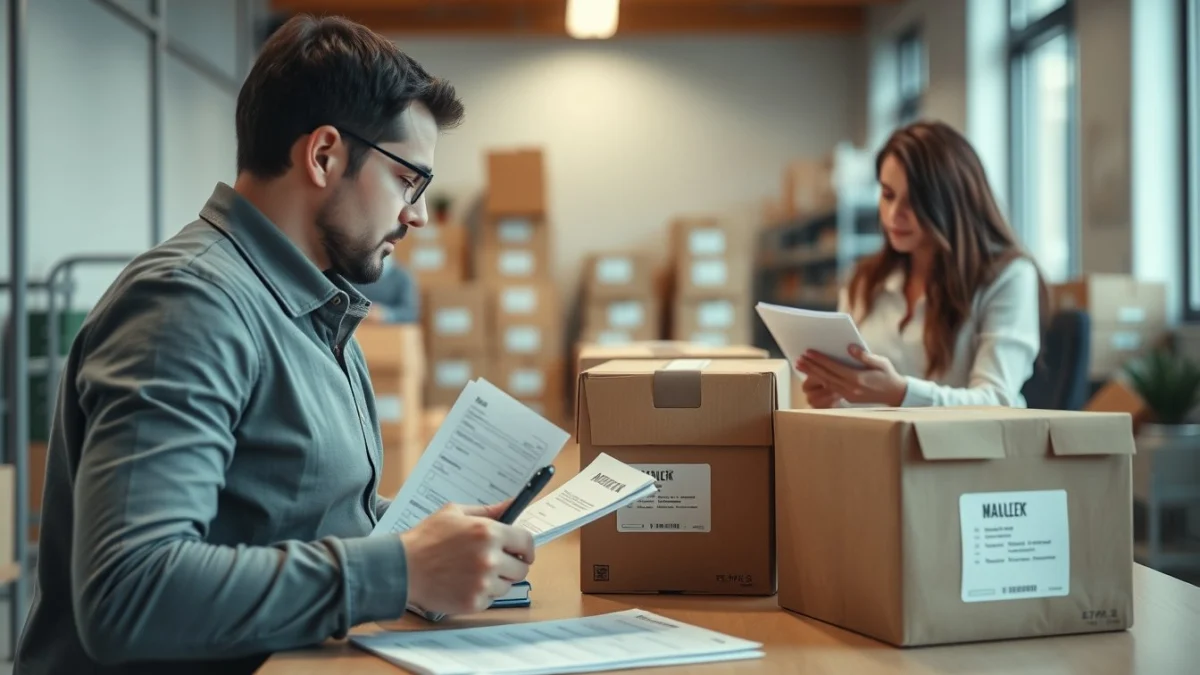
Accurate filing, tracking, and record keeping are essential in logistics and supply chain management. These processes ensure that all documents and information are organised, easy to find, and up to date. This helps logistics companies deliver goods efficiently, avoid mistakes, and meet customer expectations. In logistics, many documents are involved, such as delivery notes, invoices, packing lists, and shipping documents. If these documents are not filed correctly, it can cause delays, mix-ups, and lost information. This affects the whole supply chain, making it hard to trace goods or resolve issues quickly. Tracking is the process of monitoring goods as they move through the supply chain. This includes knowing where products are at any given time and their estimated delivery times. When tracking information is accurate, logistics teams can respond fast to problems like delays or damage during transit. It helps avoid costly errors and improves customer service. Record keeping means storing all important information about transactions, inventory, shipments, and communications safely. Good record keeping supports legal compliance and helps with audits or quality checks. It also provides data that can be used to improve future operations.
Key Benefits of Accurate Filing, Tracking, and Record Keeping
- Efficient Operations: Easy access to information speeds up decision-making and reduces delays.
- Error Reduction: Proper records prevent mistakes such as wrong deliveries or lost items.
- Improved Customer Service: Fast responses to inquiries and accurate delivery updates increase customer satisfaction.
- Legal Compliance: Keeping correct records helps meet South African regulations and audit requirements.
- Better Inventory Management: Tracking stock levels accurately avoids shortages or overstocking.
- Cost Savings: Reducing errors and delays lowers overall expenses for the business.
To practise accurate filing, tracking, and record keeping, use standardised systems and software tailored for logistics. Label documents clearly and store them in a consistent way, whether physically or digitally. Update tracking information regularly and check records for accuracy. In summary, accurate filing, tracking, and record keeping form the backbone of smooth logistics and supply chain management. They ensure that goods move through the system without unnecessary disruption, save costs, and build trust with customers. Mastering these skills is essential for anyone working in logistics.
Live Scenario • Active Situation
You are a logistics clerk responsible for filing and tracking shipment documents at a busy warehouse.
There is no single perfect answer. Choose what you would do in this situation.
