
Stocktaking, Reordering, and Inventory Accuracy
Understanding Key Inventory Processes for Smooth Operations
Stocktaking, reordering, and inventory accuracy are important parts of managing stock in any business. These processes help ensure that the right products are available when needed and that stock levels are controlled properly. In logistics and supply chain management, they reduce losses, prevent overstocking, and avoid running out of goods.
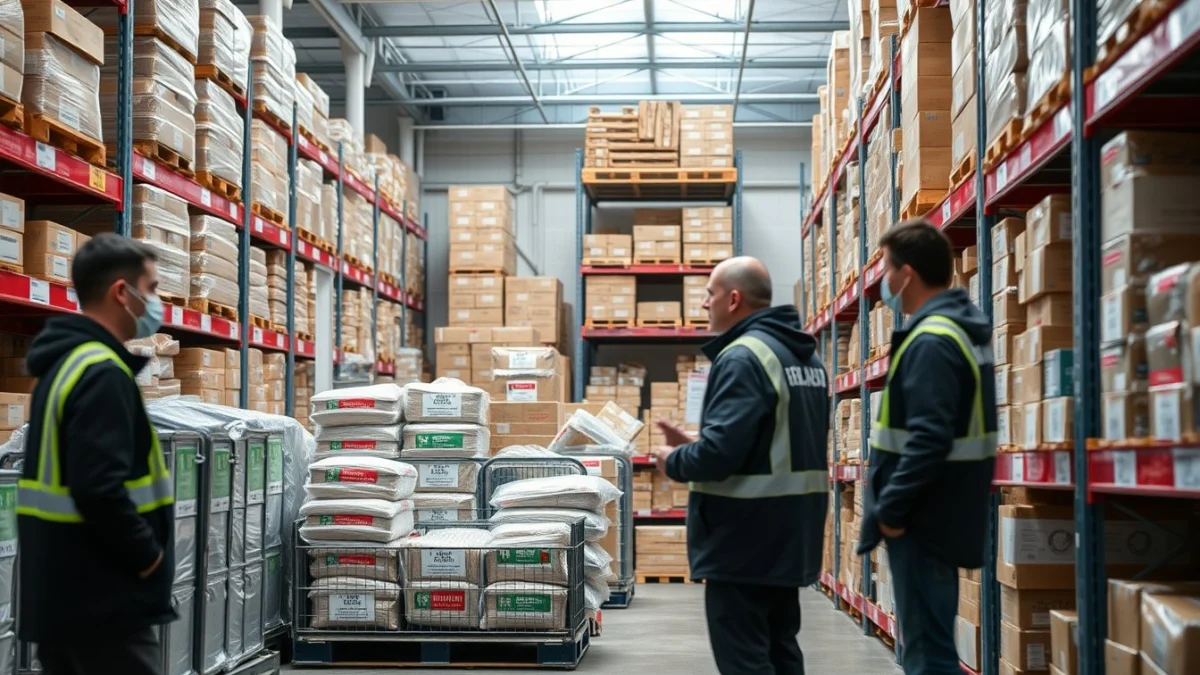
Stocktaking means physically counting all the stock in a warehouse or store. This is usually done at regular intervals, such as monthly, quarterly, or yearly. Stocktaking helps find differences between what is recorded in the inventory system and the actual stock available. These differences can occur due to theft, damage, clerical errors, or incorrect deliveries.
Doing stocktaking regularly is very important. It keeps the stock records accurate and helps the business make good decisions about buying and selling. For example, if a business notices a lot of missing stock during stocktaking, it can take steps to improve security or check stock handling processes.
Reordering refers to buying more stock before the current supply runs out. A business uses reorder levels or minimum stock levels to decide when to place new orders. Reordering at the right time ensures there is enough stock to meet customer demand without holding too much.u00a0
There are a few key points about reordering:
- Set clear reorder levels based on sales patterns and supplier delivery times.
- Keep safety stock as a buffer for unexpected demand or delays.
- Use tools like automated alerts or inventory management software to remind you to reorder.
Inventory accuracy means the stock records match the actual physical stock. High inventory accuracy helps avoid stockouts, reduces excess stock, and improves the overall efficiency of the supply chain. Maintaining inventory accuracy involves good stock control practices, such as:
- Recording stock movements immediately.
- Training staff on proper stock handling.
- Using barcodes or electronic stock systems to reduce errors.
- Doing regular cycle counts in addition to full stocktakes.
When stock accuracy is high, businesses can plan better, reduce costs, and provide better service to customers. For example, if inventory records are accurate, a seller will not accept more stock than needed or miss important orders.
In summary, Stocktaking, Reordering, and Inventory Accuracy work together to keep stock under control. Regular stocktaking checks the real stock, reordering ensures supplies arrive on time, and accurate records make sure every item is tracked properly. Together, these processes help businesses run smoothly and satisfy customers.
Live Scenario • Active Situation
You are a warehouse stock controller at a busy retail distribution centre preparing for the quarterly stocktaking.
There is no single perfect answer. Choose what you would do in this situation.
