
Key Roles in Logistics and Supply Chain Operations
Understanding Important Positions in Logistics and Supply Chain
Key Roles in Logistics and Supply Chain Operations are essential to make sure products move smoothly from suppliers to customers. Each role is important to keep the supply chain working efficiently and to meet customer demands on time. This guide explains the main roles you will find in logistics and supply chain teams.
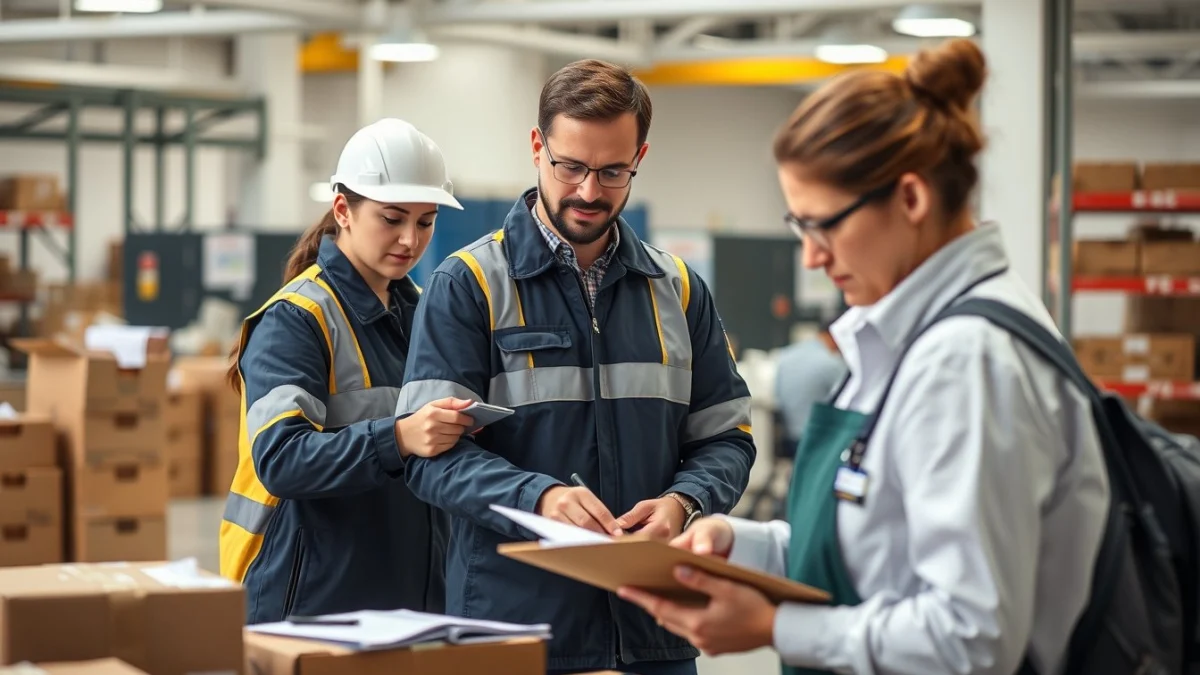
Main Roles and Their Responsibilities
- Supply Chain Manager: Oversees the whole supply chain process. They plan, coordinate, and monitor every step, from purchasing raw materials to delivering finished products to customers.
- Logistics Manager: Focuses on the movement, storage, and delivery of goods. They organise transportation, manage warehouses, and make sure deliveries happen on time and cost-effectively.
- Procurement Officer: Responsible for buying goods and services for the company. They find reliable suppliers, negotiate prices, and manage contracts to ensure quality and cost control.
- Warehouse Supervisor: Manages the daily operations in warehouses. They keep track of stock, organise storage, and ensure goods are stored safely and correctly.
- Inventory Controller: Keeps records of stock levels, handles stock ordering, and prevents shortages or excess stock. Their job is to balance supply with demand efficiently.
- Transport Coordinator: Plans and schedules vehicles for deliveries. They choose the best routes and monitor transport costs and performance.
- Customer Service Coordinator: Acts as a link between the company and its customers. They handle orders, solve delivery problems, and provide updates on order status.
Each role depends on teamwork and communication to keep the supply chain running well. Without the smooth cooperation of these key roles, companies might face delays, higher costs or unhappy customers. Knowing these roles helps learners appreciate how complex and important logistics and supply chain management really is.
In South Africa, strong logistics and supply chain operations are vital to support industries like manufacturing, mining, agriculture, and retail. Skilled people in these roles help businesses grow and provide goods efficiently to the country’s markets and beyond.
Understanding these key roles is the first step if you want to start a career in logistics or supply chain management. Each role offers different challenges and opportunities to build a successful career.
Live Scenario • Active Situation
You are a Logistics Manager responsible for organising the movement, storage, and delivery of goods in a busy warehouse facility.
There is no single perfect answer. Choose what you would do in this situation.
