
How Goods Move from Supplier to Customer
Understanding the Flow of Goods in Supply Chains
How goods move from supplier to customer is a key part of logistics and supply chain management. It involves several steps that ensure the right products reach customers on time and in good condition.
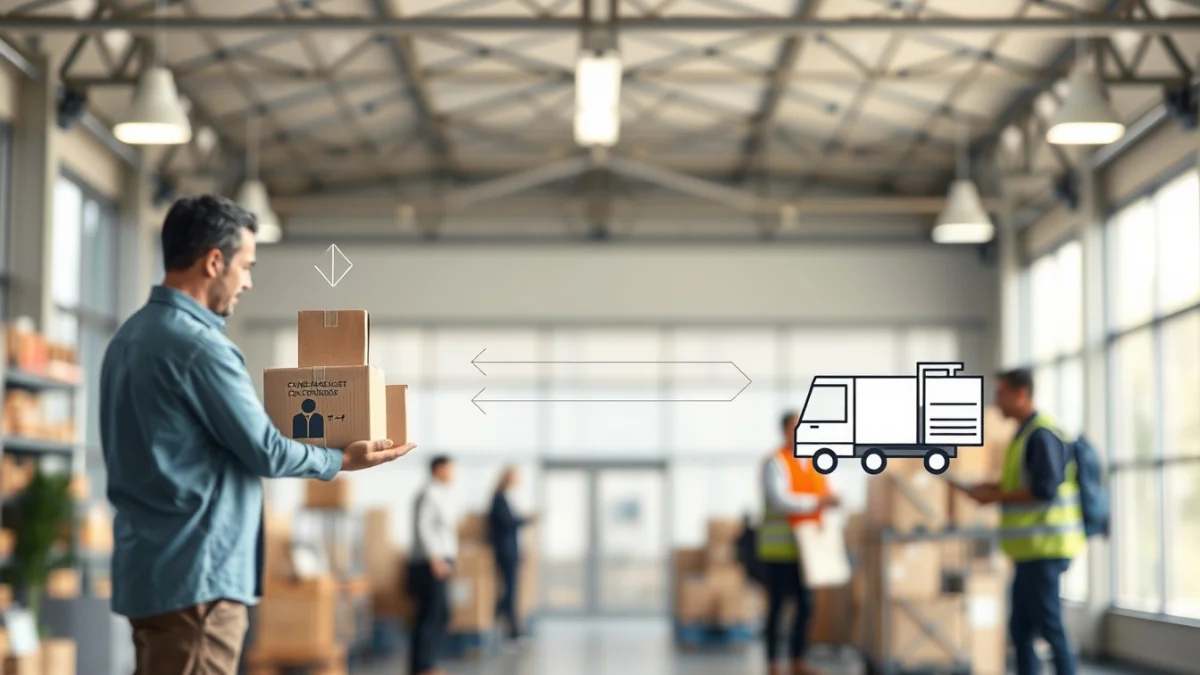
First, suppliers produce or source goods. These goods are then packed and prepared for transport. The supplier’s warehouse or factory is where products wait before being shipped out.
The next stage is transportation. Goods can be moved by road, rail, air, or sea depending on distance, cost, and urgency. In South Africa, road transport is very common due to its flexibility and coverage. Transport needs careful planning to avoid delays or damage during the journey.
After transport, goods arrive at distribution centres, warehouses, or directly to retailers. Distribution centres are places where goods from different suppliers are stored and sorted. This helps in bundling products for easier delivery to customers.
Key Steps in Moving Goods from Supplier to Customer
- Order Processing: Customer orders are received and confirmed.
- Packing and Loading: Goods are packed safely and loaded for transport.
- Transportation: Goods travel by truck, train, ship, or plane.
- Storage and Handling: Goods may be stored temporarily at a distribution centre.
- Final Delivery: Products reach the customer’s doorstep or store.
Good communication and tracking at each step ensures transparency. For example, customers can know when their deliveries will arrive. Logistics managers use technology to monitor goods while in transit, helping prevent issues such as delays or loss.
In South Africa’s supply chain, challenges like road conditions or customs clearance can affect delivery times. Companies often plan for these by choosing reliable transport routes and allowing extra time for processing.
Overall, moving goods from supplier to customer requires coordination between suppliers, transporters, warehouses, and final sellers. This process affects customer satisfaction and business success.
By understanding how goods move through each stage, learners can better grasp the important role logistics plays in getting products to market efficiently and safely.
Live Scenario • Active Situation
You are a logistics coordinator at a distribution centre in South Africa handling goods arriving from suppliers.
There is no single perfect answer. Choose what you would do in this situation.
