
Handling Delays, Delivery Problems, and Complaints
How to Effectively Manage Delays, Delivery Issues, and Customer Complaints
Handling Delays, Delivery Problems, and Complaints is a key skill in logistics and supply chain management. These issues can affect customer satisfaction and business reputation. Knowing how to handle them well helps maintain trust and smooth operations.
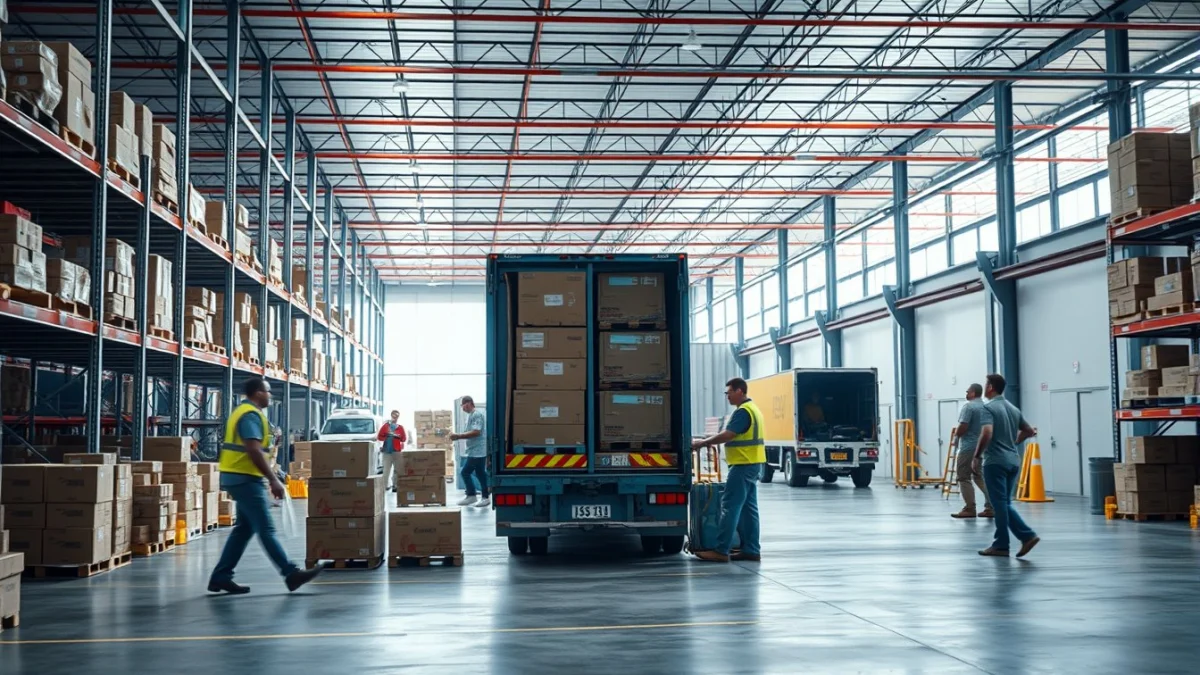
Understanding the Cause of Delays and Delivery Problems
Delays happen for many reasons: traffic, incorrect addresses, stock shortages, or weather conditions. Delivery problems include damaged goods, wrong items sent, or lost packages. To handle these, first find out exactly what caused the problem. This helps you give correct information to the customer and find the right solution quickly.
Communicating Clearly and Honestly
Customers want to know what is going on with their order. Keep communication clear and simple. If there is a delay or problem, inform the customer as soon as possible. Apologise for the inconvenience and explain the next steps. Being honest builds trust, even when things go wrong.
Steps to Handle Complaints Efficiently
- Listen Carefully: Let the customer explain their issue without interruption. Show you understand.
- Stay Calm and Polite: Always keep a respectful tone, even if the customer is upset.
- Confirm the Issue: Repeat the problem to ensure you understand it correctly.
- Offer Solutions: Provide clear options like re-delivery, refund, or compensation if appropriate.
- Take Action Quickly: Resolve the issue fast to restore customer confidence.
- Follow Up: Check later to ensure the customer is satisfied with the solution.
Record and Analyse Problems
Keep a log of delays, delivery problems, and complaints. Review these regularly to identify patterns. This helps prevent future issues by improving processes or working with suppliers and transport services.
Implement Preventative Measures
To reduce problems, ensure accurate order processing and clear labelling. Train staff on handling goods with care. Choose reliable logistics partners and maintain good communication with suppliers. Use tracking systems to monitor deliveries in real time.
Conclusion
Handling Delays, Delivery Problems, and Complaints well improves customer satisfaction and strengthens your logistics operation. Always respond quickly, communicate honestly, and learn from each issue. These practical steps make your service reliable and trustworthy.
Live Scenario • Active Situation
You are a logistics customer service agent handling a delayed delivery for an important client.
There is no single perfect answer. Choose what you would do in this situation.
