
What Logistics Means in Business
Understanding Logistics in Everyday Business
What Logistics Means in Business is the way companies manage the flow of goods and services from the start to the end. It includes everything needed to get a product to the right place, at the right time, and in good condition. This process is very important because it helps businesses save money, satisfy customers, and stay competitive.
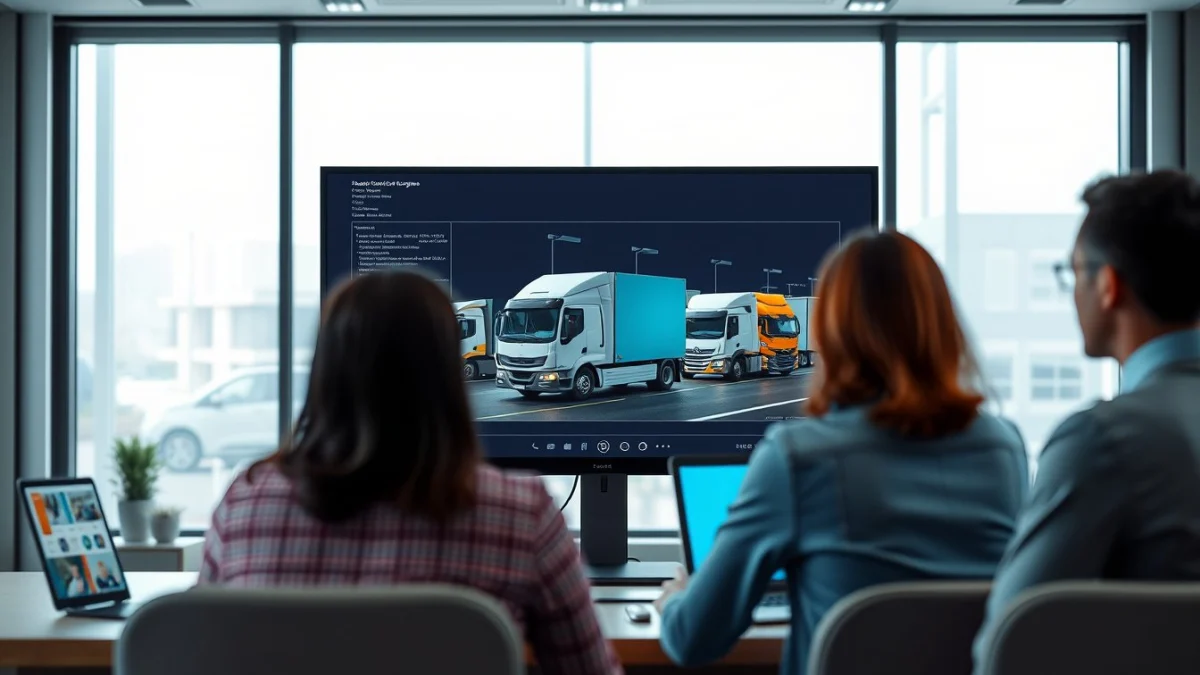
Logistics involves many activities such as planning, organising, transporting, storing, and distributing products. For example, a company that sells shoes needs to bring raw materials to the factory, produce the shoes, store them safely, and then deliver them to shops or customers all over South Africa. Each step needs to be managed well to avoid delays or extra costs.
Good logistics helps businesses run smoothly. It makes sure products are not lost or damaged, and that they reach customers quickly. When logistics is done well, customers trust the business and keep buying. If it is done badly, products might arrive late or in poor condition, causing unhappy customers and lost sales.
Key Activities in Logistics
- Transport: Moving goods by truck, ship, plane, or train.
- Warehousing: Storing goods safely before they are sold.
- Inventory Management: Keeping track of stock levels to avoid shortages or too much stock.
- Order Fulfilment: Picking, packing, and sending orders to customers.
- Planning and Forecasting: Predicting demand and preparing resources accordingly.
In South Africa, good logistics is very important because the country is large and has many rural areas. Companies must plan routes carefully to save time and money when delivering goods. Roads, transport methods, and storage facilities are all part of logistics planning.
Technology also plays a big role in modern logistics. Businesses use computer systems to track goods, plan routes, and manage stock accurately. This helps reduce mistakes and improve service.
For anyone wanting to work or grow a business in logistics, understanding “What Logistics Means in Business” is the first step. It shows how products move through a system to reach customers in the best way. This knowledge helps businesses improve delivery times, reduce costs, and increase customer satisfaction.
In summary, logistics in business is all about managing the flow of products efficiently right from their origin until they reach the customer. It includes transport, storage, stock management, and delivery. When done well, it supports business success and happy customers.
Live Scenario • Active Situation
You are a logistics coordinator at a shoe manufacturing company in South Africa.
There is no single perfect answer. Choose what you would do in this situation.
