
Packaging, Labelling, and Protecting Products
Packaging, Labelling, and Protecting Products are essential steps in logistics and supply chain management. They ensure that goods reach customers safely, meet legal requirements, and provide important information. Understanding these processes helps learners prepare products correctly for storage, transport, and sale.
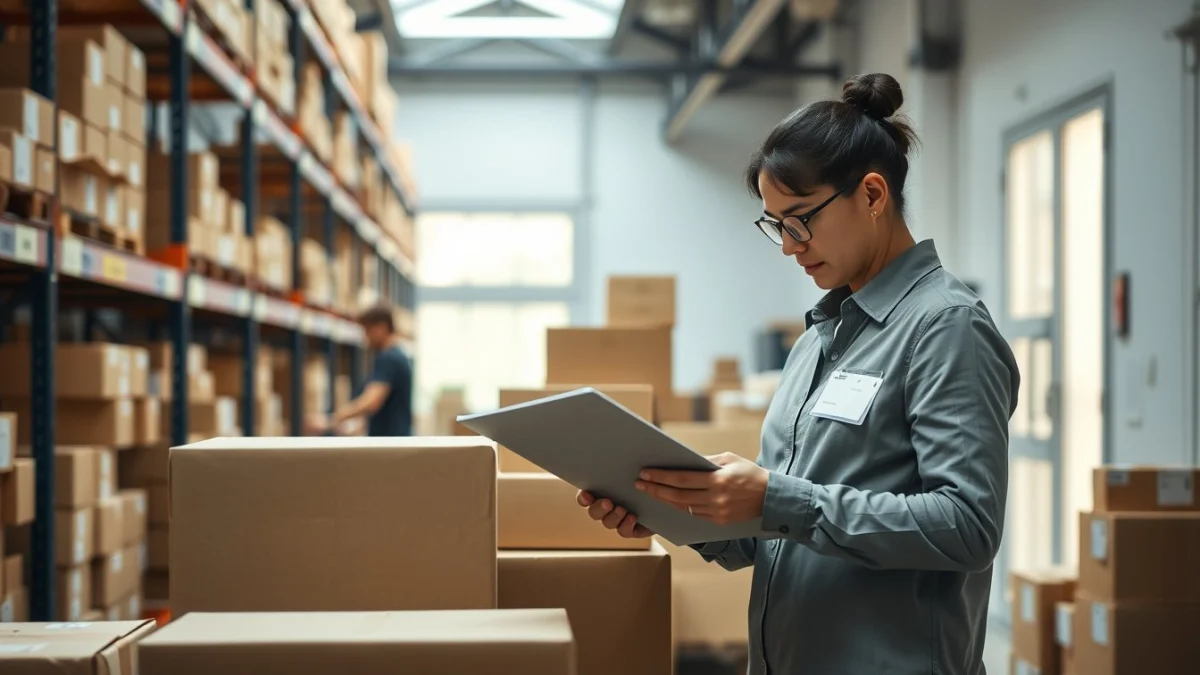
Why Packaging, Labelling, and Protection Matter
Packaging keeps the product secure and intact during handling and shipping. It prevents damage from shocks, moisture, dust, and contamination. Good packaging also helps in storage by making products easier to stack and organise.
Labelling informs everyone about the product inside. Labels usually show the product name, ingredients or materials, weight, expiry date, handling instructions, and warnings if needed. These details help retailers and customers know what they are buying and how to use the product safely.
Protecting products means using the right materials and methods to guard against harm. This may include bubble wrap, foam inserts, pallets, shrink wrap, or waterproof covers. Protection also involves checking that packaging meets specific rules, such as for dangerous goods or fragile items.
Key Steps in Packaging, Labelling, and Protection
- Choose the Right Packaging Material: Use sturdy boxes, plastic containers, or bags suitable for the product’s size, weight, and fragility.
- Apply Clear Labelling: Print labels that are easy to read and include all necessary information like product details and safety instructions.
- Use Protective Fillings: Add bubble wrap, foam, or paper inside packages to stop movement and damage.
- Seal Packages Properly: Tape or glue boxes securely to avoid opening or spills during transport.
- Follow Legal Requirements: Ensure packaging meets regulations for your product type, especially for food, chemicals, or electronics.
- Handle with Care: Mark fragile items and advise on correct lifting or storage methods to prevent accidents.
Effective packaging reduces losses caused by damage and spoilage, saving money for businesses and customers. Well-labelled products boost customer confidence and comply with laws. Protecting products during storage and transport makes the supply chain more reliable and efficient.
In your role, always check that the packaging suits the product and that labels are accurate. Use appropriate protection materials when packing. Remember, good packaging and labelling go hand in hand with workplace safety and product quality.
Live Scenario • Active Situation
You are a packaging operator at a logistics warehouse responsible for preparing fragile electronics for shipment.
There is no single perfect answer. Choose what you would do in this situation.
