
Oral care techniques for elderly individuals
Effective Oral Care Techniques for Elderly Individuals
Oral care techniques for elderly individuals are important to keep their mouths healthy and prevent problems like tooth decay, gum disease, and bad breath. As people grow older, their mouths can become more sensitive. Some may have dentures, dry mouth, or other health conditions that need special care.
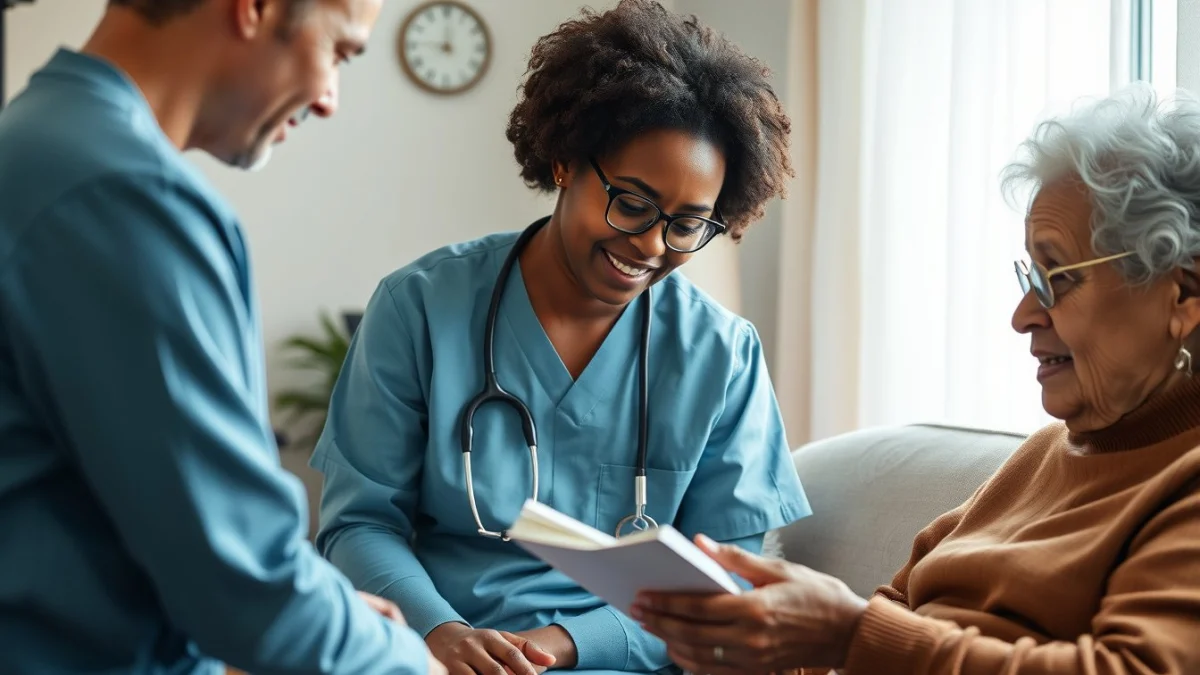
Good oral hygiene helps elderly individuals feel comfortable and improves their overall health. It can also prevent infections that may affect other parts of the body.
Key Oral Care Techniques for Elderly Individuals
- Brushing Teeth: Brush at least twice a day using a soft toothbrush. Use a small amount of fluoride toothpaste. If the elderly person has sensitive gums, choose a brush with extra soft bristles to avoid pain and bleeding.
- Cleaning Dentures: Remove dentures daily and clean them with a denture brush and mild soap. Avoid using toothpaste on dentures as it can be too abrasive. Soak dentures overnight in a denture-cleansing solution to keep them fresh and bacteria-free.
- Flossing or Alternative Cleaning: If possible, floss daily to remove food particles between teeth. For those who find flossing difficult, use interdental brushes or water flossers.
- Managing Dry Mouth: Dry mouth is common in elderly individuals and can cause discomfort and tooth decay. Encourage sipping water often and using saliva substitutes if recommended by a healthcare provider.
- Regular Mouth Checks: Look for signs of sores, redness, swelling, or white patches. Report any unusual changes to a healthcare professional quickly to prevent complications.
Make sure to be gentle and patient when helping elderly individuals with their oral care. Encourage them to do as much as they can on their own to maintain independence.
Visiting a dentist regularly is also important. Dental check-ups can catch problems early and keep the mouth healthy. For elderly individuals with dementia or physical difficulties, caregivers should support dental appointments and oral care routines.
Using these oral care techniques for elderly individuals helps improve their quality of life. It prevents pain, tooth loss, and infections, making eating and speaking easier. Good mouth care also boosts confidence and social interaction.
Live Scenario • Active Situation
You are a caregiver assisting an elderly resident with oral hygiene in a senior care facility.
There is no single perfect answer. Choose what you would do in this situation.
