
Nutritional needs of elderly people
Key Nutrition Tips for Elderly People
The nutritional needs of elderly people change as they age. It is important to understand these changes to keep them healthy and active. Older adults often need fewer calories because their bodies use energy more slowly. However, they need more nutrients like vitamins and minerals to support body functions.
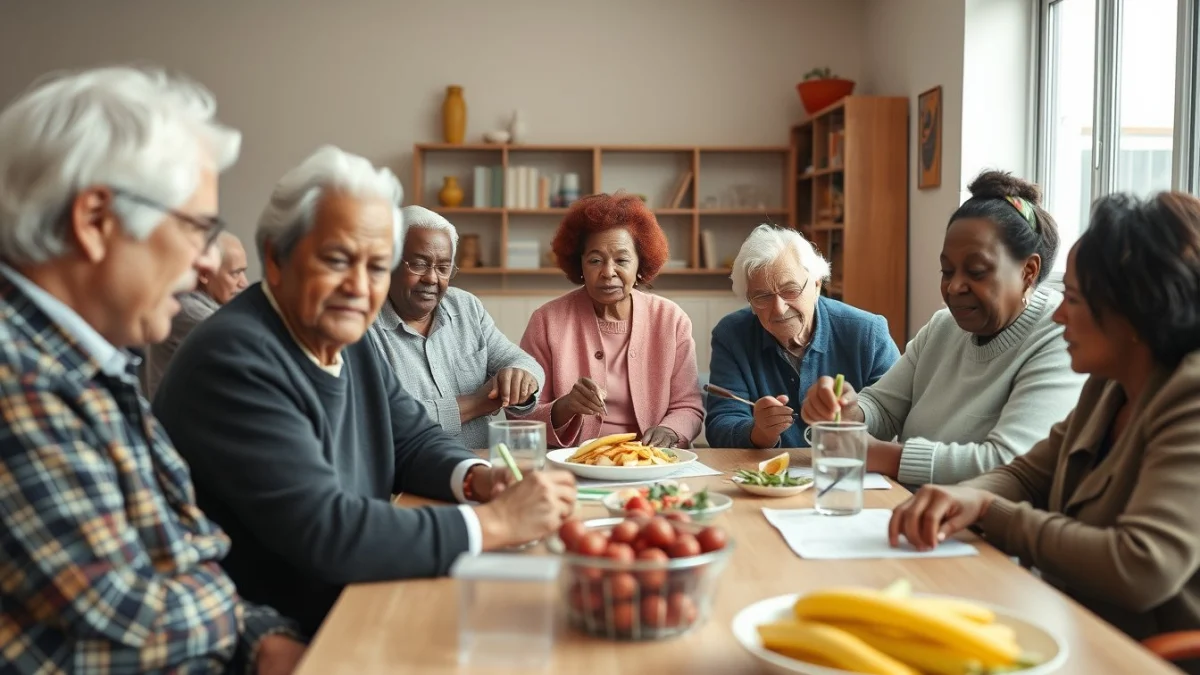
As people grow older, their appetite may reduce. This can happen due to changes in taste, smell, or digestion. Some elderly people also have difficulty chewing or swallowing, which affects how much and what they can eat. These challenges make balanced nutrition even more important.
Important Nutrients for Elderly People
- Protein: Helps keep muscles strong and supports healing. Good sources include lean meat, fish, eggs, beans, and nuts.
- Calcium and Vitamin D: Keep bones strong to prevent fractures. Dairy products, green leafy vegetables, and sunlight exposure help supply these.
- Fibre: Prevents constipation and supports digestion. Found in fruits, vegetables, whole grains, and legumes.
- Vitamin B12: Supports the nervous system and brain health. Sources include meat, fish, and fortified cereals.
- Water: Older adults may feel less thirsty, but staying hydrated is vital to prevent dehydration and help kidney function.
It is important to limit foods high in sugar, salt, and unhealthy fats. These can increase the risk of heart disease, diabetes, and high blood pressure, which are common in elderly people.
Small, frequent meals can help those with poor appetite. Adding healthy snacks like fruit, nuts, or yoghurt provides extra nutrients and calories. Older adults should also avoid skipping meals.
In some cases, elderly people may need vitamin or mineral supplements. This should always be guided by a healthcare worker or dietitian.
Good nutrition supports energy, immunity, and mental health in elderly people. Always encourage variety in their meals to cover all nutrient needs.
Remember to adjust food choices according to any medical conditions and personal preferences. It is better to eat well and enjoy meals to improve quality of life while ageing.
Live Scenario • Active Situation
You are a caregiver preparing meals and nutritional plans for elderly residents in a care home.
There is no single perfect answer. Choose what you would do in this situation.
