
Preparing meals that meet dietary requirements
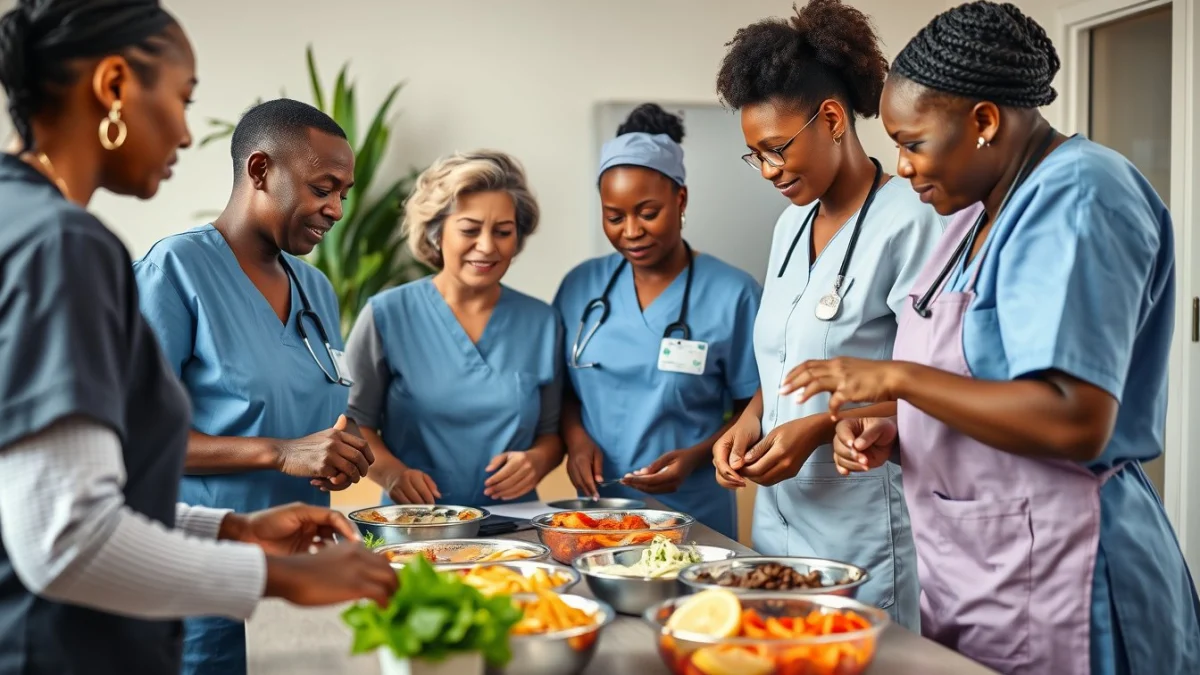
How to Prepare Meals that Meet Dietary Requirements for the Elderly
Preparing meals that meet dietary requirements is very important when caring for elderly people. Their bodies need the right nutrients to stay healthy. This means you must understand what each person needs and make meals that match those needs. Elderly people often have different health issues like diabetes, high blood pressure, or swallowing problems. These conditions affect what they can eat. Some may need foods low in sugar or salt, while others need softer foods that are easier to swallow. First, learn about the person’s specific diet plan from a healthcare worker or dietitian. This will tell you which foods to prepare and which to avoid. Always follow this plan closely to keep the person healthy. When preparing meals, focus on balance. Include protein such as chicken, fish, or beans. Add fresh vegetables and fruits for vitamins and minerals. Use whole grains like brown rice or whole-wheat bread for energy. Limit foods high in sugar, salt, and unhealthy fats. Avoid fried foods, too much sugar, and processed snacks since they can cause health problems. Keep meals small but frequent. Older people may have less appetite, so smaller plates with regular snacks help keep their nutrition up. Cooking methods matter too. Choose boiling, steaming, or baking instead of frying. These ways keep nutrients in the food and make it easier to digest. Make food look nice. Colorful plates with a variety of textures can encourage elderly people to eat more. Remember to check for any allergies or food dislikes. Always ask before preparing something new.
Tips for Preparing Suitable Meals
- Use less salt and sugar in cooking.
- Cut food into small, easy-to-chew pieces.
- Include plenty of fluids to prevent dehydration.
- Serve meals at regular times every day.
- Monitor portion sizes to avoid waste and overeating.
By following these steps, you help improve the health and well-being of the elderly in your care. Preparing meals that meet dietary requirements is key to giving good nutrition and support.
Live Scenario • Active Situation
You are a caregiver preparing meals according to dietary requirements in an elderly care centre.
There is no single perfect answer. Choose what you would do in this situation.
