
Effective verbal and non-verbal communication techniques
How to Communicate Well with Older People
Effective verbal and non-verbal communication techniques are very important when caring for elderly people. These techniques help to build trust, reduce misunderstandings, and make sure the elderly person feels respected and supported.
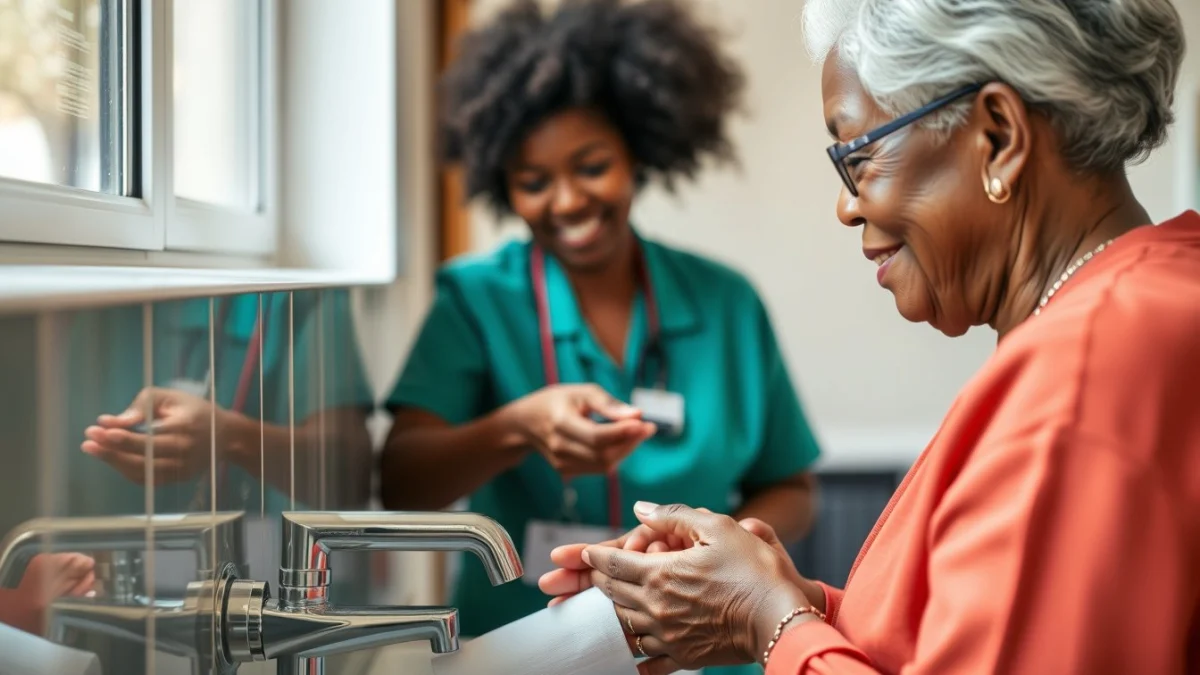
Verbal communication means what you say and how you say it. Use clear, simple words and speak slowly. Avoid long sentences or complicated language. Make sure to listen carefully to the elderly person and give them time to respond. Don’t interrupt or rush them. Repeat or rephrase important information if needed to be sure they understand.
Non-verbal communication includes body language, facial expressions, eye contact, and tone of voice. Your body language should be open and relaxed. Smile gently to show warmth. Make eye contact but don’t stare, as this can feel uncomfortable. Use a calm and kind tone of voice to show you care. Be aware of your gestures; nod to show understanding or agreement.
Key Techniques for Better Communication
- Active Listening: Focus fully on the speaker, do not get distracted, and show that you are listening through nods or short verbal responses.
- Use Simple Language: Choose clear and easy words. Avoid slang or technical terms that may confuse.
- Positive Body Language: Keep your arms uncrossed, lean slightly forward, and maintain good eye contact.
- Check Understanding: Ask questions like “Do you understand?” or “Would you like me to explain again?”
- Be Patient: Give the elderly person time to think and speak without rushing them.
- Show Respect: Use polite words like “please” and “thank you”. Always treat the elderly person with dignity.
- Watch for Non-Verbal Cues: Notice if they seem confused, upset, or tired and adjust your communication accordingly.
Using these effective verbal and non-verbal communication techniques helps to connect better with elderly people. It makes them feel valued and understood which is very important in elderly care. Good communication also reduces frustration and helps you deliver better care every day.
Live Scenario • Active Situation
You are an elderly care worker helping Mrs. Jacobs, an 82-year-old resident, who looks confused at her medication schedule.
There is no single perfect answer. Choose what you would do in this situation.
