
Building meaningful social connections
How to Build Strong Social Bonds for Better Elderly Mental Health
Building meaningful social connections is very important for the emotional support and mental health of elderly people. As we age, staying connected with others helps reduce feelings of loneliness and depression. It also improves overall happiness and wellbeing.
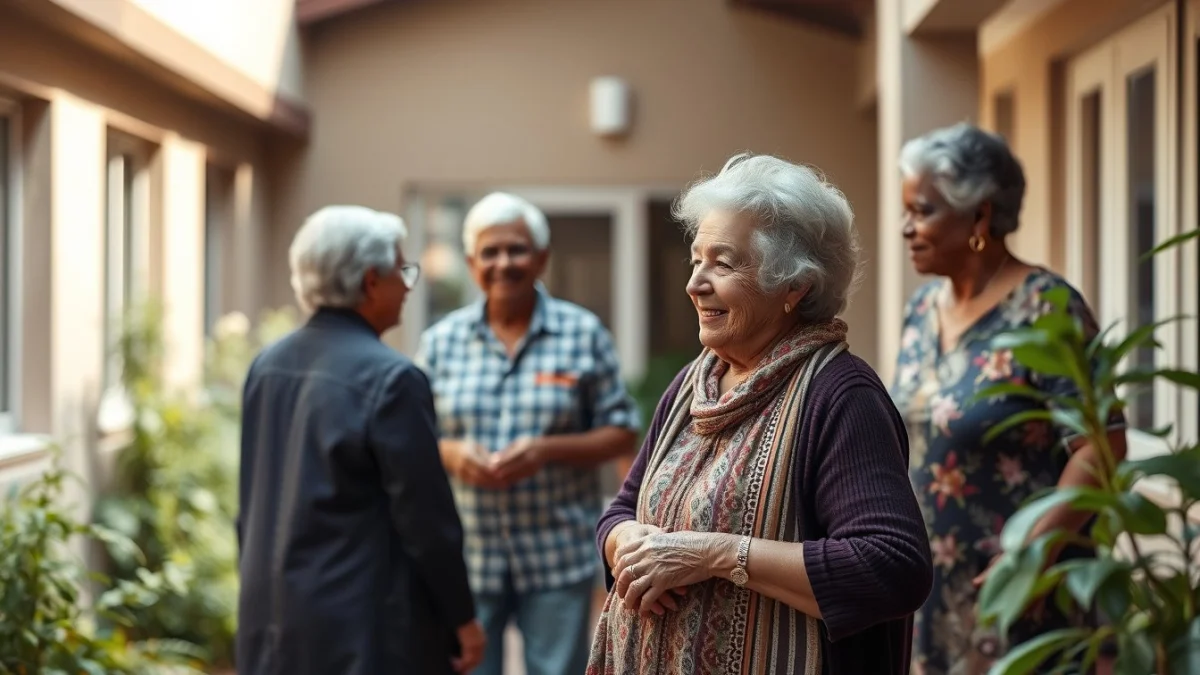
Older adults who have regular contact with family, friends, or community groups tend to feel more supported and positive. These connections provide chances to share experiences, enjoy conversations, and get help when needed.
To build meaningful social connections, here are some practical steps:
- Reach Out Regularly: Call, visit, or send messages to friends and family. Regular contact keeps relationships strong.
- Join Groups or Clubs: Community centres often have activities such as crafts, exercise, or social events designed for older adults.
- Attend Religious or Cultural Events: These are great places to meet people with similar values and interests.
- Volunteer in the Community: Helping others builds purpose and connects you to new friends.
- Use Technology: Learn to use phones, video calls, or social media to stay in touch, especially when face-to-face contact is difficult.
It is also important to give attention to the quality of these connections. Meaningful relationships are built on trust, respect, and listening carefully. Older adults should be encouraged to talk about their feelings and experiences openly.
Caregivers and family members can support by:
- Being patient and showing genuine interest
- Helping older adults attend social events
- Encouraging new hobbies that include social interactions
- Offering emotional support when they feel isolated or anxious
Building meaningful social connections not only helps reduce stress and loneliness but can also improve physical health by encouraging active lifestyles. It boosts confidence and gives older adults a sense of belonging.
In summary, staying socially connected is key to maintaining emotional health in elderly people. By making small efforts to connect regularly and supporting older adults in social activities, families and caregivers can greatly enhance their quality of life.
Live Scenario • Active Situation
You are a caregiver at a community centre for elderly people, focused on improving their emotional support and mental health through social connections.
There is no single perfect answer. Choose what you would do in this situation.
