
Understanding the role of an elderly caregiver
The Importance of Elderly Caregivers in Daily Life
Understanding the role of an elderly caregiver is important for anyone working or interested in elderly care. An elderly caregiver helps older adults with tasks they may find difficult because of age, illness, or disability. This support allows elderly people to live with dignity and remain as independent as possible.
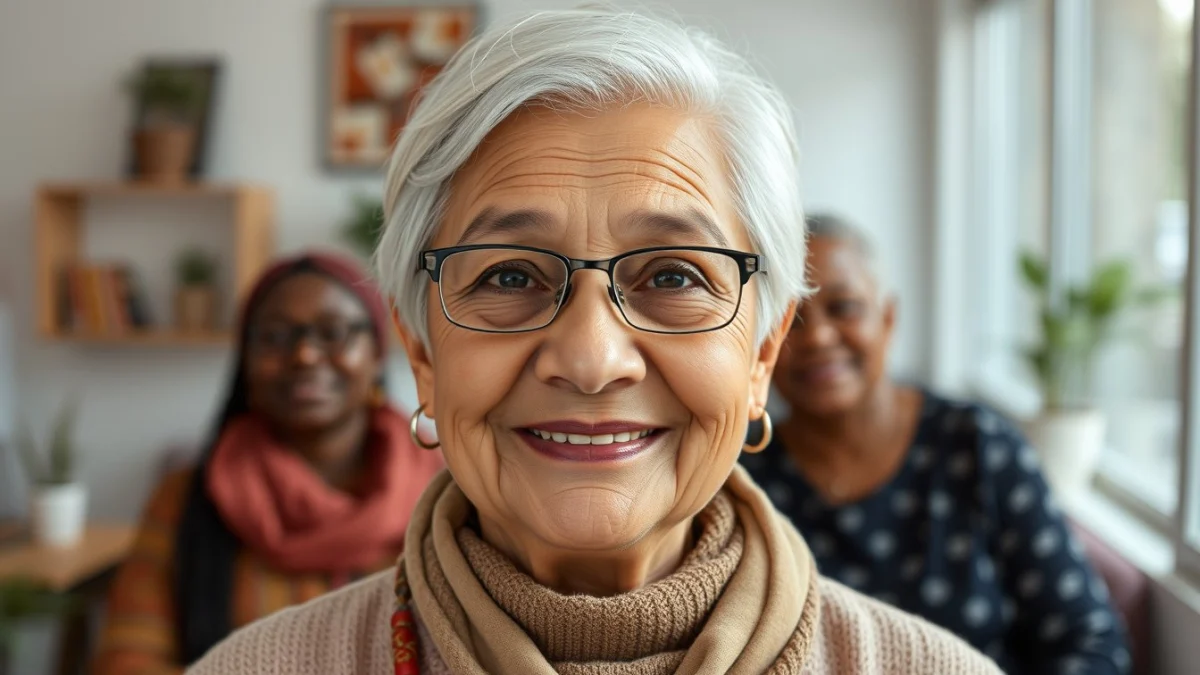
Elderly caregivers play many roles. They provide physical support, emotional care, and help with everyday activities. Their work improves the quality of life for older adults by making daily living safer and more comfortable.
Key Responsibilities of an Elderly Caregiver
- Assisting with personal care: Helping with bathing, dressing, grooming, and toileting to maintain hygiene and comfort.
- Supporting mobility: Helping elderly people walk, stand, or move safely to prevent falls or injuries.
- Managing medication: Reminding or assisting with taking the correct medicines at the right times.
- Preparing and serving meals: Ensuring nutrition needs are met by cooking or helping eat meals.
- Providing companionship: Offering social interaction and emotional support to reduce loneliness.
- Monitoring health: Observing any changes in health and reporting concerns to family or healthcare professionals.
The caregiver’s role goes beyond physical help. Emotional support is just as important. Many elderly people feel isolated or sad due to health issues or loss of friends and family. Caregivers listen, encourage, and spend time with them to improve their mental well-being.
In South Africa, elderly caregivers often work in homes, nursing facilities, or hospitals. Some are family members, while others are trained professionals. Regardless of who the caregiver is, understanding their role helps them provide better care.
Good communication is vital. Caregivers need to talk clearly and respectfully with elderly people, their families, and healthcare workers. This teamwork ensures that the elderly person’s needs are met safely and properly.
Another key part of being an elderly caregiver is knowing how to handle emergencies. Caregivers should stay calm, act quickly, and call for help when needed. Basic first aid knowledge is useful in supporting elderly people during accidents or sudden illness.
Patience and respect are important qualities for caregivers. Elderly people may take longer to do things or have mood changes. Caregivers must stay patient and treat them with kindness at all times.
In summary, understanding the role of an elderly caregiver means recognising that this job involves physical help, emotional support, good communication, and being ready for emergencies. It is a vital role that helps older adults lead safer, happier, and more comfortable lives.
Live Scenario • Active Situation
You are an elderly caregiver working in a residential home for older adults.
There is no single perfect answer. Choose what you would do in this situation.
