
Recording and reporting health changes
How to Record and Report Health Changes in Elderly Care
Recording and reporting health changes is very important when looking after elderly people. It helps caregivers notice any new problems and keep the healthcare team informed. Early detection of changes can prevent serious health issues.
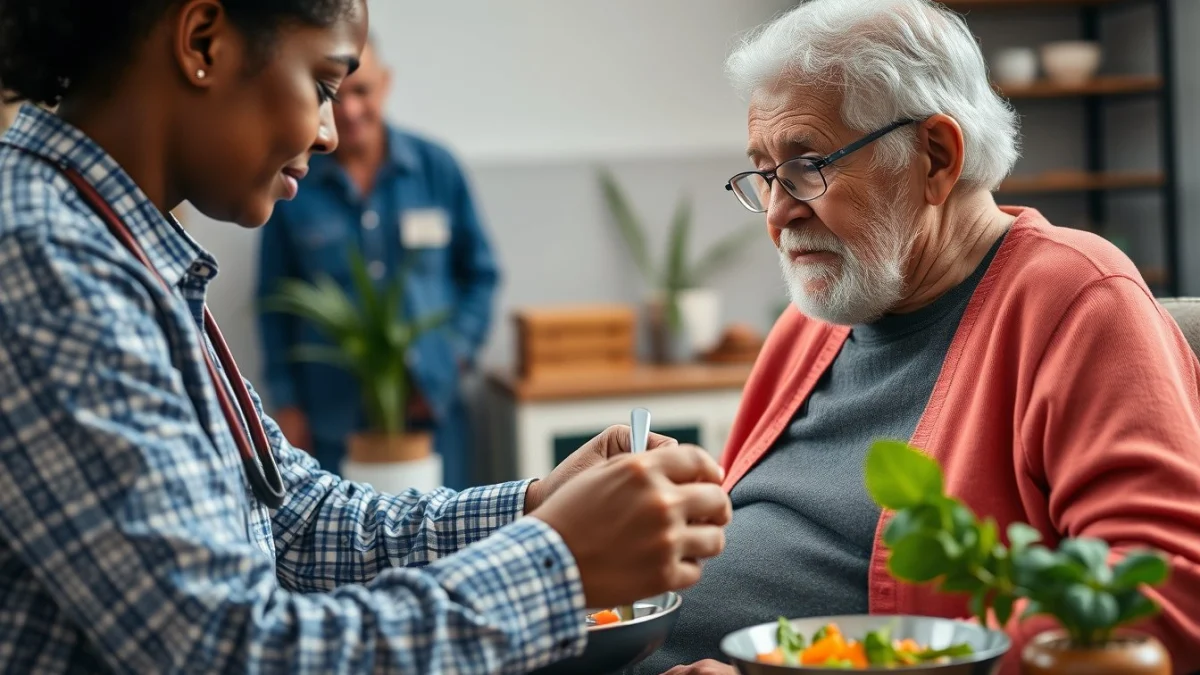
Health changes means any difference in how the elderly person looks, feels, or behaves. This can include things like pain, tiredness, mood swings, or trouble breathing. It can also mean changes in eating, sleeping, or moving around.
Key points to remember about recording health changes
- Write down exactly what you observe or what the elderly person tells you.
- Note the date, time, and any other details that might be important.
- Use clear and simple language without guessing or adding your opinion.
- Record changes as soon as you notice them, to avoid forgetting.
- Include small changes, not just big problems.
When you report health changes, make sure to share the information with the right people. This could be a nurse, family member, or doctor. Reporting means explaining what you have recorded in a clear and calm way. Do this in person or in writing, depending on the situation.
Remember, accurate recording and reporting can help the healthcare team to act quickly. This may mean adjusting medication, doing tests, or other treatments. It also helps with planning future care and keeping the elderly person safe.
Good recording tools include a health diary, charts, or forms provided by the care facility. Use these tools properly to keep all information organised and easy to read. Always keep records private and follow any rules about confidentiality.
In summary, recording and reporting health changes means:
- Observing carefully and noting all health signs.
- Writing down facts clearly and immediately.
- Sharing information with the care team quickly.
- Helping to keep the elderly person’s health under control.
By following these steps, caregivers make sure they provide the best care and support for elderly people. It leads to better health outcomes and improves their quality of life.
Live Scenario • Active Situation
You are a caregiver in an elderly care home responsible for managing medication and monitoring health changes.
There is no single perfect answer. Choose what you would do in this situation.
