
Identifying common safety hazards at home
Common Home Dangers and How to Spot Them
Identifying common safety hazards at home is important when caring for elderly people. Many accidents happen because homes are not designed to be safe for older adults. By knowing what to look for, caregivers can reduce risks and create a safer environment.
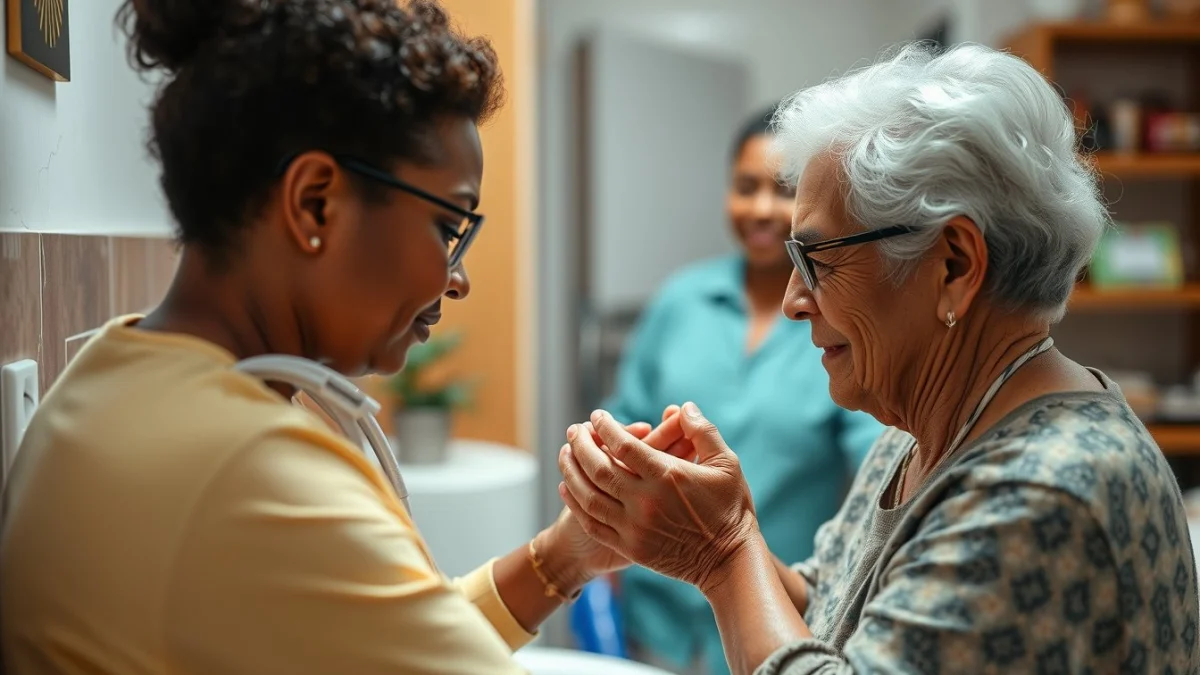
Most elderly people have weaker bones, slower reflexes, and poorer eyesight. This makes them more likely to fall or get hurt. Hazards at home often cause injuries like fractures, cuts, or burns. It is best to find these dangers early and fix them before someone gets hurt.
Key Safety Hazards to Check for at Home
- Slippery Floors: Wet tiles, loose rugs, or smooth floors cause falls. Check if floors are dry and rugs have non-slip backing.
- Cluttered Walkways: Objects on floors like shoes, cords, or bags can trip elderly people. Keep paths clear and tidy.
- Poor Lighting: Dim lights in hallways, bathrooms, and stairs make it hard to see. Use bright, even lighting and night lights in key areas.
- Unsafe Stairs: Stairs without sturdy handrails or with uneven steps can cause falls. Make sure handrails are secure and steps are even.
- Cords and Wires: Loose electrical cords increase trip risk and may cause electrical accidents. Arrange cords neatly or tape them down safely.
- Faulty Appliances and Wiring: Old or broken appliances and wiring might cause shocks or fires. Check plugs, sockets, and appliances regularly.
- Bathroom Hazards: Wet floors, absence of grab rails in showers or toilets, and high bath edges increase fall risk. Install non-slip mats and safety rails.
- Sharp Objects and Tools: Knives, scissors, or tools should be stored safely, out of reach unless supervised during use.
- Heating and Fire Risks: Heaters, candles, or cooking appliances can cause burns or fires. Use safe heaters and never leave flames unattended.
- Medication Storage: Improperly stored medicines can cause accidental overdoses. Keep medications in labelled, secure places.
Identifying these hazards is a first step towards preventing accidents. Regularly check areas where the elderly spend most time, like the bedroom, living room, kitchen, and bathroom.
In addition, communicate with the elderly person about what they find difficult or unsafe. Sometimes they notice dangers you do not see. Involve them in safety improvements to make their home comfortable and secure.
After identifying hazards, take action:
- Remove or fix physical obstacles and unsafe objects.
- Improve lighting and install grab rails where needed.
- Organise electrical cords and check appliances often.
- Educate the elderly and family members on safe habits.
- Keep emergency numbers handy and create an emergency plan.
By regularly reviewing the home environment and staying alert, caregivers can reduce accidents and support elderly people to live safely and independently.
Live Scenario • Active Situation
You are a caregiver checking the home of an elderly client for safety hazards.
There is no single perfect answer. Choose what you would do in this situation.
