
Common needs of elderly individuals in South Africa
Understanding the Essential Needs of Older Adults in South Africa
The common needs of elderly individuals in South Africa cover various areas that help them live with dignity and comfort. These needs are influenced by health, social, economic, and environmental factors. Knowing these needs clearly helps caregivers, families, and communities support older adults better.
Health and Medical Care
Many elderly people in South Africa face chronic illnesses like hypertension, diabetes, and arthritis. They need regular medical check-ups, access to affordable medication, and treatments. Proper healthcare helps prevent complications and improves their quality of life.
Older adults also require information on managing their conditions and support for mental health issues such as depression and memory loss. Easy access to health facilities is important, especially for those living in rural areas where clinics can be far away.
Nutrition and Food Security
Good nutrition is vital for elderly individuals to maintain strength and health. Many may struggle with buying or preparing nutritious meals due to limited income or physical challenges. Affordable, healthy food options and support in meal preparation can address these needs.
Social Interaction and Emotional Support
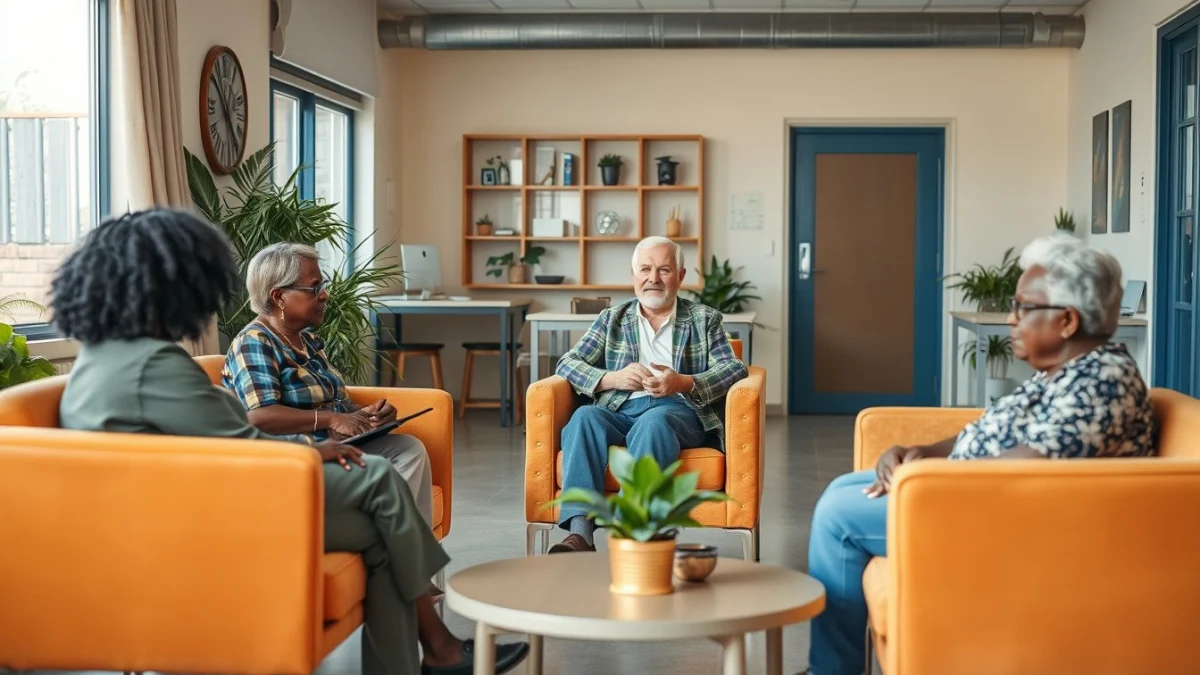
Loneliness and social isolation are common concerns among South African elderly people. Staying connected with family, friends, and community groups is important for their emotional well-being. Opportunities for social activities help prevent feelings of isolation and depression.
Practical Supports That Matter
- Assistance with daily living tasks such as bathing, dressing, and cleaning.
- Help with managing finances and accessing pensions or grants.
- Safe and comfortable living conditions adapted to their needs.
- Freedom from abuse and neglect through protective services and awareness.
Economic Security
Many elderly South Africans rely on social grants, like the Older Person’s Grant, to meet basic needs. However, these funds may not cover all expenses such as healthcare, food, and utilities. Financial support or budgeting help is important to reduce poverty and stress.
Safety and Accessibility
Safe housing with easy access to shops and clinics matters a lot. Many elderly people live in areas that lack proper infrastructure like paved roads, ramps, or safe transport. These barriers affect their independence and ability to get around.
Cultural and Spiritual Needs
Respect for cultural traditions and spiritual beliefs supports the identity and peace of mind of older adults. Communities and caregivers should recognise and honour these aspects to provide meaningful care.
In summary, meeting the common needs of elderly individuals in South Africa means providing good healthcare, nutrition, social support, financial aid, safety, and respect for their culture. By understanding and acting on these needs, we can improve their quality of life and dignity as they age.
Live Scenario • Active Situation
You are a community caregiver visiting elderly clients in a rural South African village to support their health, nutrition, and social needs.
There is no single perfect answer. Choose what you would do in this situation.
