What Manufacturing Safety Means and Why It Matters on South African Shop Floors
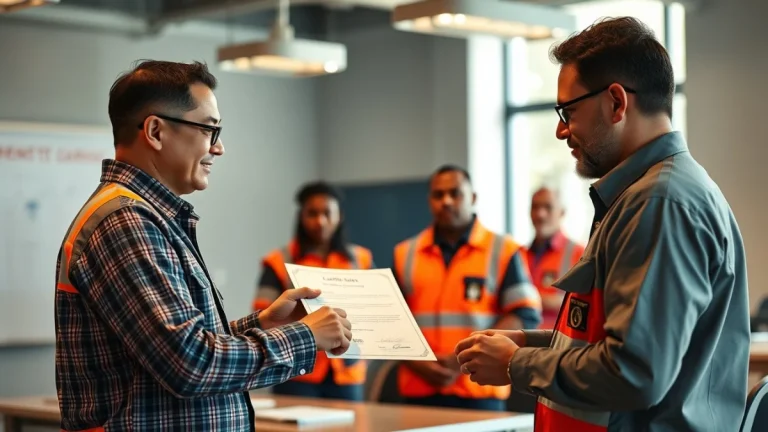
Manufacturing safety is about protecting everyone in a production environment from injury and harm. Basically, it covers all the ways to keep workers safe from accidents and health risks while they operate machines, handle materials, or move around factory floors. If you’re looking to learn more or want to improve your safety skills, taking a free manufacturing safety course with certificate in South Africa can give you both knowledge and proof of understanding.
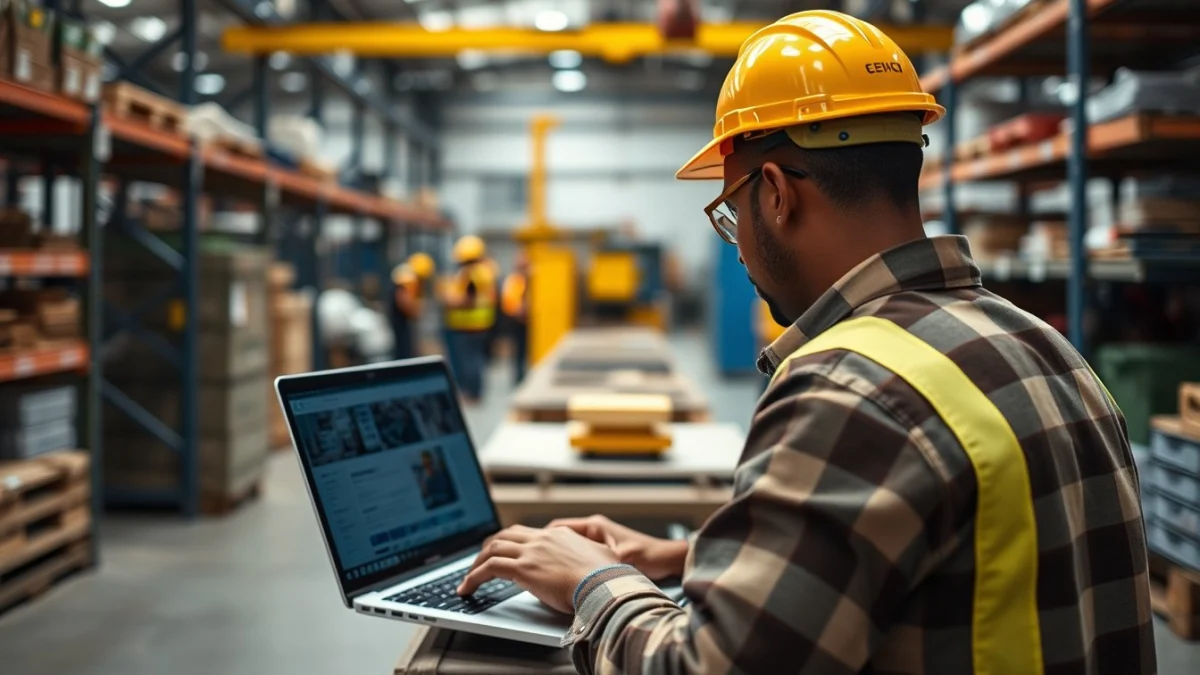
On busy South African factory floors, workers often juggle tight deadlines and complex tasks. Mistakes happen—not always due to carelessness but sometimes because safety steps were unclear or overlooked under pressure. One common confusion is thinking safety rules slow things down. In truth, ignoring safety can cause costly downtime, injuries, and even shutdowns. The sooner workers and supervisors get clear on what manufacturing safety really means and how it looks in daily practice, the better their workplace stays productive and hazard-free.
Understanding Manufacturing Safety in Real Terms
Manufacturing safety includes everything from wearing the right gloves to running machines correctly to preparing for emergencies. It’s more than just a list of rules — it’s about creating habits and environments that anticipate and remove risks.
- Safety risks: These include physical dangers like moving machine parts, chemical spills, heavy lifting, noise exposure, and slips or falls.
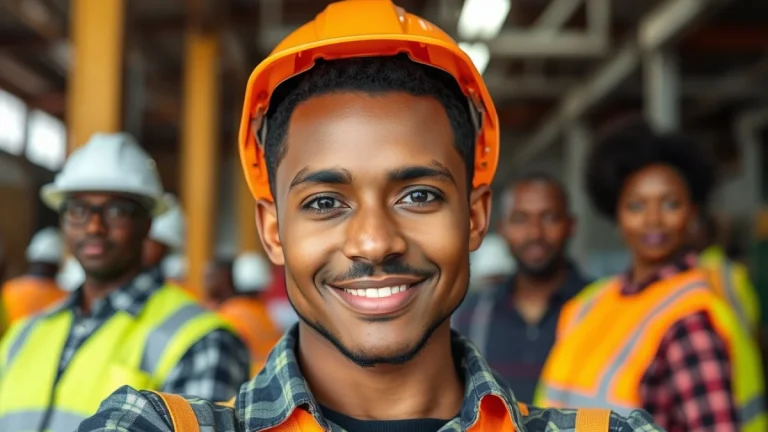
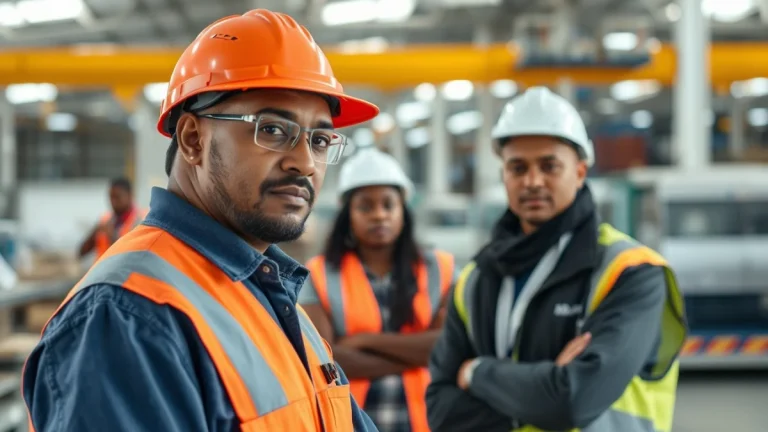
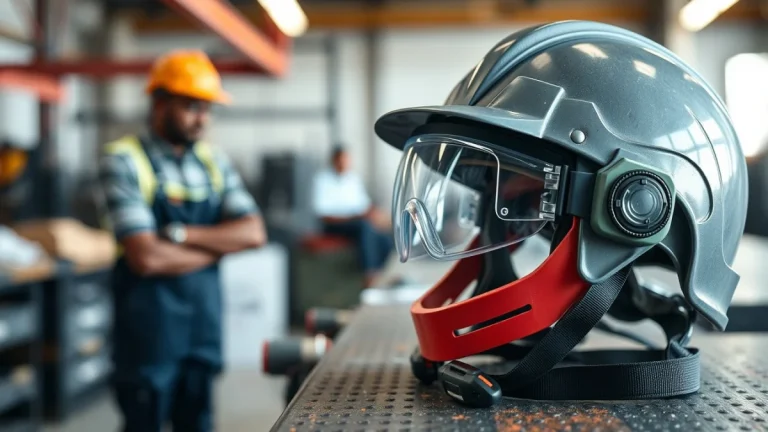
- Protective gear: Personal Protective Equipment (PPE) such as helmets, gloves, earplugs, and safety boots is essential, but only if used properly. A common beginner mistake is inconsistent PPE use—taking it off too soon or not checking for damage.
- Rules and laws: In South Africa, workplace safety follows legislation such as the Occupational Health and Safety Act. These laws require employers to provide a safe workplace, but workers must also play their part.
Knowing how each piece fits together gives you a practical advantage rather than just memorising rules. For example, recognising that a machine guard is there not to annoy, but to prevent fingers or clothes from getting caught, changes how you treat the machine and your surroundings.
Key Areas Covered in Manufacturing Safety
Manufacturing safety breaks down into several main focus areas, each crucial to reducing risk:
1. Personal Protective Equipment (PPE)
PPE isn’t just a requirement—it’s your first line of defense. Picking the right equipment depends on identifying specific risks. For example, handling chemicals demands gloves that resist corrosive substances, while loud machines call for ear protection. Keeping PPE clean and checking it for damage daily is often skipped but is vital for effectiveness.
2. Machine Safety and Guarding
Machines can cause serious injuries if guards aren’t in place or if safe operating procedures aren’t followed. Workers need to understand what each guard does and how to spot unsafe conditions like exposed parts or loose safeguards. The reality is that many accidents happen during maintenance or cleaning when guards are temporarily removed.
3. Hazard Identification and Risk Assessment
Effective safety requires spotting hazards before they cause harm. This means regularly inspecting your work area, thinking about “what can go wrong?”, and using a risk control hierarchy—from eliminating hazards to using PPE as a last resort. Oversight here is often a weak spot in real workplaces.
4. Emergency Preparedness and Response
Knowing what to do in a fire, chemical spill, or other emergency can save lives. Evacuation routes must be clear, and workers trained to stay calm and communicate quickly. Unfortunately, drills are sometimes neglected, leaving staff unsure when a real emergency happens.
5. Safe Material Handling and Storage
Lifting heavy items the wrong way or storing chemicals improperly leads to injury and damage. Basic manual handling techniques and safe use of forklifts or trolleys can make a big difference. Many workers underestimate how easily strain injuries develop from poor habits.
6. Building a Safety Culture and Reporting
Safety must be part of how everyone thinks and acts every day. Encouraging workers to speak up about hazards and incidents helps catch problems early. A common beginner issue is fear of reporting mistakes, which can lead to hidden risks and accidents.
What Manufacturing Safety Looks Like on the Job
Imagine a mid-sized plastics factory in Gauteng. A line operator preps a machine while wearing earplugs, gloves, and safety goggles. Before starting, they check the machine guard, ensure emergency stop buttons are functional, and clear the area of unnecessary tools. The operator knows that if the guard is loose, they must stop work and report it immediately instead of trying to fix it themselves. During breaks, the team reviews hazards spotted that week, and the supervisor encourages open talk about safety concerns.
This routine isn’t just about ticking boxes. It’s about making visible safety a normal part of the job so that small issues don’t grow into accidents or lost days of work.
Common Mistakes Beginners Make in Manufacturing Safety
- Skipping PPE checks: Wearing damaged gloves or broken goggles reduces protection but often goes unnoticed.
- Ignoring small hazards: A bit of oil on the floor or loose wiring may seem minor but can cause serious slips or electrical incidents.
- Not reporting incidents: Fearing blame leads to underreporting accidents or near misses, preventing necessary fixes.
- Overlooking emergency drills: Without rehearsals, workers may panic or act unpredictably during real emergencies.
- Misunderstanding roles: Some beginners think safety is “only the supervisor’s job” but everyone’s actions count.
Advice for Beginners Starting with Manufacturing Safety
- Take safety seriously from day one—your health depends on it.
- Always wear the right PPE and check it carefully before starting work.
- Learn how to identify hazards in your specific work area—no factory is the same.
- Speak up if you see something unsafe, even if it feels awkward.
- Practice emergency response steps regularly, so they become second nature.
- Remember, safety isn’t slowing you down—it keeps you working.