Factory Safety Rules Every Employee Should Follow
If you work in a factory or manufacturing plant in South Africa, knowing and following workplace safety rules isn’t optional—it’s how you protect yourself from serious injuries every day. This guide explains the real factory safety rules all employees must know to stay safe on the job, based on practical experience and the realities of South African factories. If you’re looking for a free manufacturing safety course with certificate in South Africa, this article will also give you a solid overview of what to expect and why these rules matter.

For beginners, the biggest question is often: “What counts as a real safety risk, and how do I keep up with all the rules?” In busy factory environments where machines grind and materials move fast, it’s easy to feel overwhelmed. One common mistake is relying only on memory or guesswork instead of using structured safety checks and PPE (Personal Protective Equipment) properly. Understanding core safety rules cuts confusion and reduces the chances of costly mistakes, like ignoring a small fix that later causes an accident.
What Factory Safety Rules Actually Cover
Factory safety rules are the practical do’s and don’ts that keep workers safe. They cover everything from how you handle tools to correct PPE use and emergency actions. Here’s what you’ll generally find in these rules:
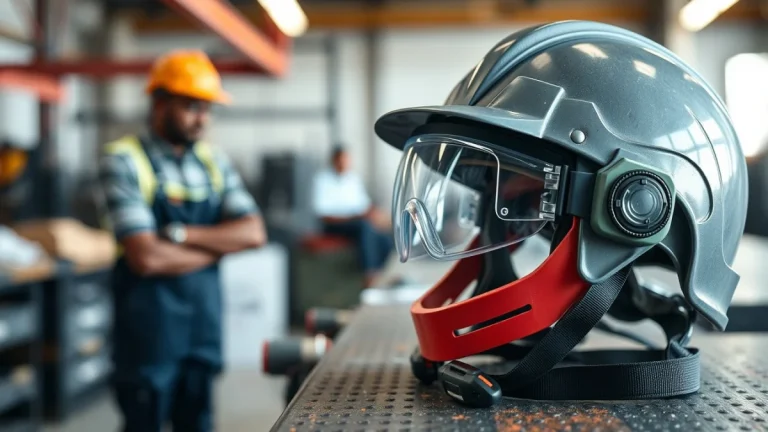
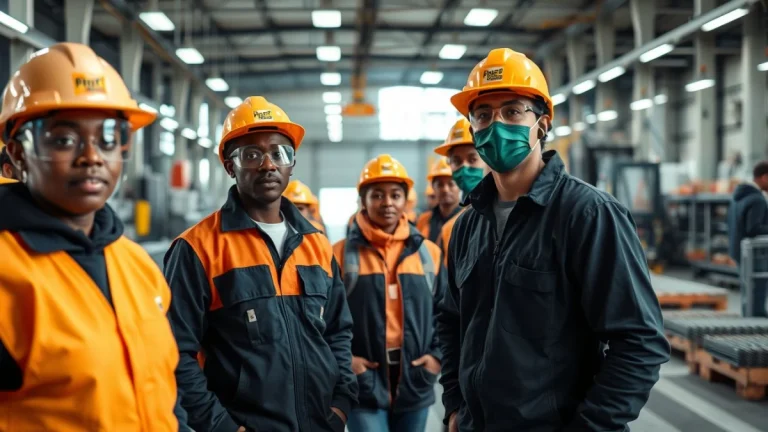
- Personal Protective Equipment (PPE): You must wear the right PPE—like gloves, helmets or ear protection—tailored to the hazards around your workstation.
- Machine Safety: Never bypass guards, always switch off machines before cleaning, and follow correct lockout procedures.
- Hazard Identification: Spot risks—like slippery floors or faulty wiring—and report them immediately.
- Emergency Preparedness: Know where the fire exits and equipment are, and follow evacuation plans without delay.
- Manual Handling: Use proper lifting techniques and mechanical aids to avoid back injuries.
- Workplace Behaviour: Stay alert, avoid horseplay, and communicate hazards clearly.
Think of these rules as a safety code designed by experienced workers and safety experts, shaped by real South African factory challenges like space constraints or chemical handling requirements.
Why Following Factory Safety Rules Matters Day to Day
At first, some employees believe safety rules slow them down or aren’t really necessary if they’ve been doing a job for years. The sharp truth: skipping even one safety step can cause accidents that shut down production and hurt people. For instance, ignoring a warning about a machine guard might seem harmless until it leads to a finger injury that keeps you off work for weeks.
South African factories often have heavy schedules and pressure to meet targets. This can tempt workers to take shortcuts, but safety rules exist because every shortcut increases risk. Following these rules not only protects your health but builds team trust—when everyone respects safety, fewer accidents mean smoother shifts.
Common Factory Safety Rules Explained
1. Use the Correct Personal Protective Equipment (PPE)
PPE is your last line of defence. This isn’t just about wearing gloves or a helmet—it’s about choosing the right PPE for your specific hazard. For example, welding requires face shields and flame-resistant clothing, while working with loud machinery needs ear plugs or earmuffs.
Be sure to:
- Inspect PPE before every use for cracks or wear.
- Wear it properly—not hanging from your neck or tucked away.
- Report damaged or missing PPE immediately.
2. Follow Machine Safety Rules Strictly
Machines are the main source of injuries in manufacturing. Guards and safety devices aren’t decorative—they prevent crushing, cuts, or entanglement. Never reach into a machine unless it’s fully switched off and locked out.
Workers often underestimate the damage a small machine fault can cause. A loose guard can quickly turn a minor hazard into a severe injury.
3. Identify and Report Hazards Without Delay
Good safety culture means spotting risks and acting on them right away. This could be an oil spill, broken floor tile, or exposed wires. Reporting hazards isn’t about blame—it’s about prevention. In many South African factories, not reporting a risk can cost lives or force the factory to shut down for investigations.
4. Participate in Safety Meetings and Training
Many new workers skip safety talks or online training thinking they are repetitive. That’s a mistake. Safety training refreshes your knowledge, updates you on new hazards, and sometimes saves your life. Even if you’re experienced, a refresher course keeps you sharp and aware of changing factory conditions.
A Realistic Example: Handling Hazardous Chemicals Safely
Imagine you have a sudden chemical spill in your section, and workers nearby aren’t sure how to react. Without clear safety rules and training, someone might try to clean it with bare hands, causing burns or inhalation injuries. But if everyone knows the steps—alerting a supervisor, using spill kits, evacuating if necessary—and has the correct PPE, the risk drops dramatically.
This scenario happens often in factories that handle paints, solvents, or cleaning agents. Workers with only basic safety knowledge but no formal training often underestimate how dangerous even small spills can be.
What Beginners Often Get Wrong About Factory Safety
New employees usually think: “If I’m careful, accidents won’t happen to me.” The problem is that safety relies on consistent habits, not just occasional care. Beginners also often neglect PPE upkeep, treating it like personal clothing rather than protective gear that requires cleaning and inspection.
Another common mistake is ignoring the reporting of “small” hazards. It’s easy to think, “Someone else will fix it,” but unreported hazards build up risk over time.
Advice for Beginners Starting in Manufacturing
- Take every safety orientation and training seriously—ask questions if something isn’t clear.
- Practice using your PPE properly from day one.
- Get familiar with emergency exits and fire drills immediately.
- Watch experienced coworkers carefully but do not assume they always follow safety rules.
- Report hazards and near-misses quickly—this helps protect everyone, including you.
- Use proper manual handling techniques to avoid musculoskeletal injuries.
FAQs About Factory Safety Rules
What is the most important safety measure in a factory?
How can a worker identify hazards in the factory?
Why do some employees ignore factory safety rules?
What should I do if I see a safety breach in the workplace?
Learn More and Stay Safe with a Free Online Manufacturing Safety Course
If you want to build real confidence in factory safety rules or are new to manufacturing, consider taking a free manufacturing safety course with certificate in South Africa. This beginner-friendly online training covers all the key topics we’ve discussed and gives you a certificate for your CV or workplace records.
Getting this kind of free workplace manufacturing safety course South Africa offers online makes learning flexible and practical. You’ll gain clear knowledge about hazards, PPE, emergency responses, and more, directly improving your safety skills on the job.