Manufacturing Safety Fundamentals for Beginners
Starting a manufacturing safety course can feel overwhelming, especially if you’ve never worked in a factory or workshop before. The good news is you can begin with a free manufacturing safety course with certificate in South Africa that breaks down key topics step-by-step. This kind of training helps you understand how to identify risks, use protective gear, and respond to emergencies — all vital knowledge to keep yourself and your coworkers safe.
Many beginners worry about the technical terms and legal stuff involved in manufacturing safety. That’s normal. The real challenge is knowing where to focus your attention first and how to apply safety rules in a busy, noisy workplace where things move fast. For example, simple mistakes like forgetting to check your PPE before a shift can lead to serious injuries, but once you learn the right habits, safety becomes part of your daily routine.
What You Need to Know First
At its core, manufacturing safety is about reducing risks from machines, materials, and the work environment. You don’t need any experience to start learning, but pay special attention to the types of hazards common in manufacturing workplaces, such as moving machine parts, hazardous chemicals, and slip or trip risks.
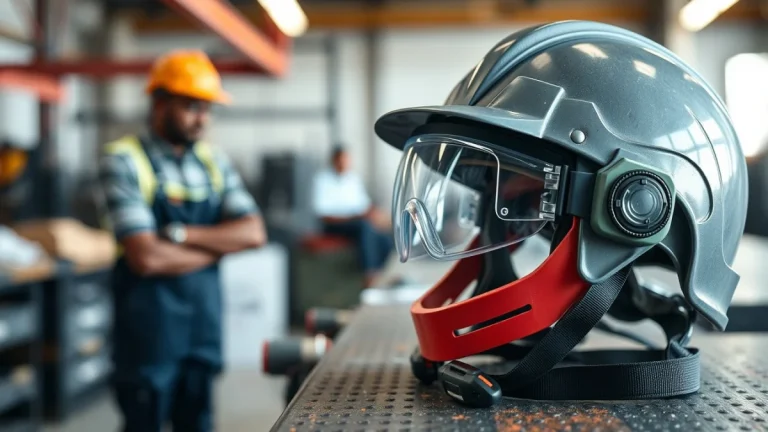
A practical first step is to understand the role of Personal Protective Equipment (PPE) and how to select the right equipment for your job. Knowing a bit about emergency procedures and how to identify hazards also helps you feel prepared and confident.
Step-by-Step Guide to Getting Started
- Begin with the basics: Familiarise yourself with why safety matters in manufacturing. This helps you see the bigger picture rather than just following rules blindly.
- Learn about PPE: Find out what equipment you need to protect your hands, eyes, ears, and body, and how to check it’s in good condition before use.
- Understand machine safety: Get to know the common hazards from machines and how guards reduce risks.
- Practice hazard spotting: Start identifying risks around you, whether it’s a chemical spill or a tangled cable on the floor.
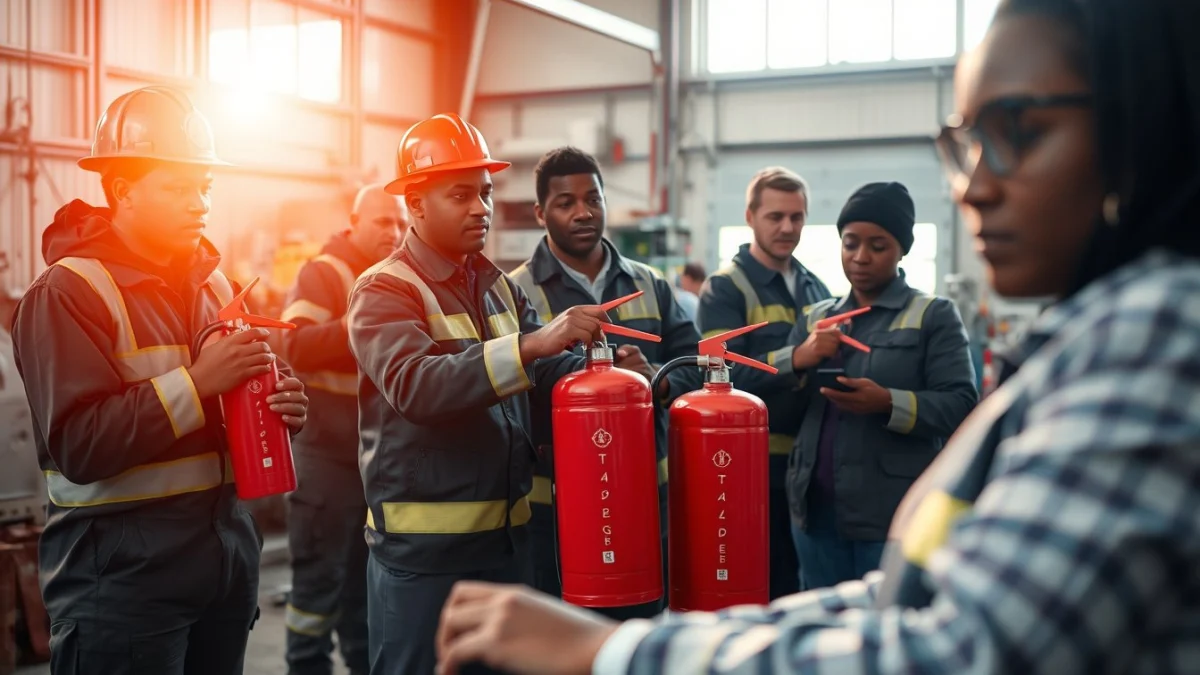
- Know emergency steps: Learn simple actions to take during fire, chemical spills, or evacuations.
- Focus on safe material handling: Using correct lifting techniques and safe storage lessens injury chances.
Skills and Requirements for Beginners
You don’t need special skills or prior knowledge, just the willingness to pay attention and follow instructions. Basic requirements for learning manufacturing safety online include:
- Access to a smartphone or computer with internet
- Basic reading and comprehension skills in English
- A quiet place to study and complete quizzes
- Consistency to progress through lessons
Most courses, including free manufacturing safety certification courses in South Africa, are user-friendly and designed to build your confidence gradually.
Common Beginner Mistakes and How to Avoid Them
Mistake: Skipping lessons on emergency procedures because they seem basic.
Why it happens: Beginners often focus only on PPE or machine safety, thinking emergencies are rare.
Consequence: In a real emergency, this can lead to panic or wrong actions.
Fix: Treat emergency preparedness as equally important. Review the evacuation and spill response steps carefully.
Mistake: Not practising hazard identification in your real or simulated environment.
Why it happens: It’s easy to learn facts but hard to apply them without practice.
Consequence: Missing hazards or underestimating risks at work.
Fix: Use breaks or downtime to scan your environment and note potential risks. The course quizzes gradually help with this skill.
What to Expect from Manufacturing Safety Training
This training won’t turn you into a safety expert overnight, but it will teach you to spot hazards and use simple controls correctly. Expect to encounter some safety jargon, but the courses break these down into easy terms. You’ll do quizzes after each lesson to test your knowledge. Passing them shows you’re ready to use safety practices on the job.
Keep in mind that safety culture and communication are big parts of the job. You’ll learn how reporting hazards quickly can prevent accidents before they happen.
Building Confidence in Your Safety Skills
Remember, everyone starts somewhere. The key is consistent learning and applying what you learn. Using a free manufacturing safety skills training course South Africa makes it easier to build your foundation at your own pace. Real workplaces often expect you to know basics like PPE use and hazard spotting from day one, so preparing through training gives you a clear edge.
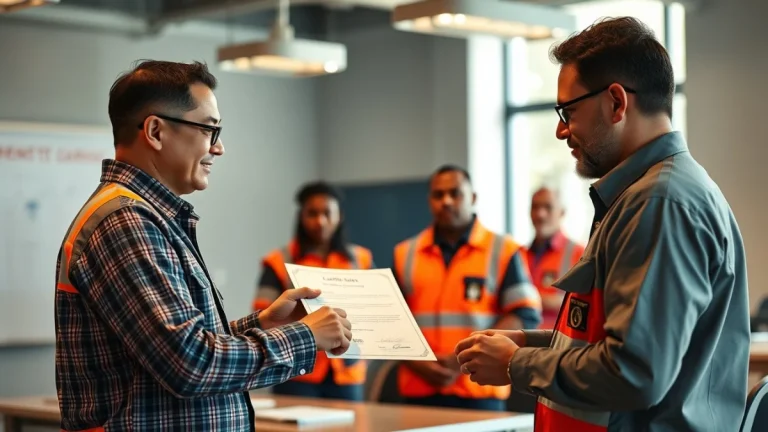
When you complete your course and earn your free manufacturing safety certification course South Africa, you’ll have tangible proof of your knowledge to share with employers.
Your Manufacturing Safety Starter Checklist
- Understand the importance of safety in manufacturing tasks
- Know the types and correct use of PPE
- Learn about machine hazards and guarding
- Start practising hazard identification and risk assessments
- Review emergency response steps thoroughly
- Practice safe lifting and material storage techniques
- Get familiar with workplace safety communication and reporting