Manufacturing Safety Rules Every Factory Worker Should Know
If you work in a factory or manufacturing setting, knowing the basic safety rules isn’t just “nice to have” — it can save your life. That’s exactly why taking a free manufacturing safety course with certificate in South Africa is a smart move. This kind of training introduces you to the safety standards and practices all workers must follow to avoid accidents, injuries, and work interruptions.
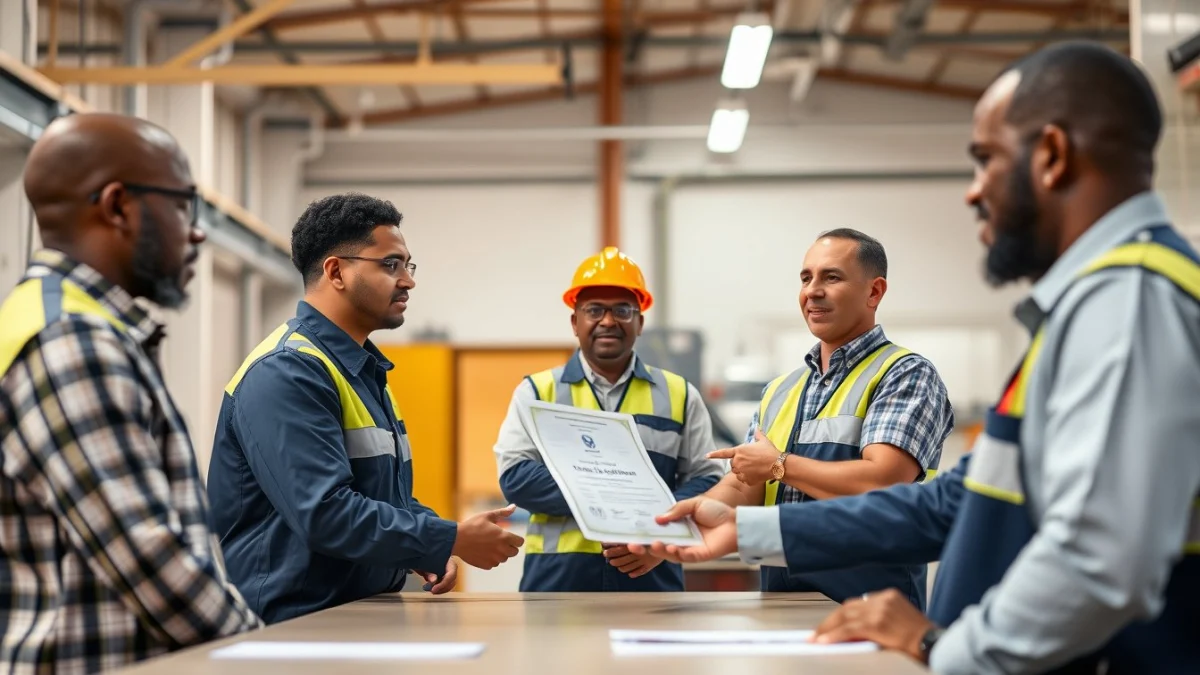
One thing beginners often don’t realise is how quickly everyday hazards can appear — like slippery floors near machinery, loose clothing caught in moving parts, or risky chemical spills. Accident reports from South African factories often show these “small” oversights easily cause bigger problems. Learning safety rules properly up front helps workers avoid costly mistakes that can happen when you’re under pressure or rushing to meet a deadline.
What You Should Know First About Manufacturing Safety
Manufacturing safety covers the essential dos and don’ts to keep you and your coworkers safe on the job. It’s about spotting common hazards, using personal protective equipment (PPE) right, and knowing what steps to take when something goes wrong—like a fire or machine malfunction. The goal is to reduce risks so everyone goes home healthy at the end of the day.
Here’s a quick look at key manufacturing safety rules you need to understand immediately:
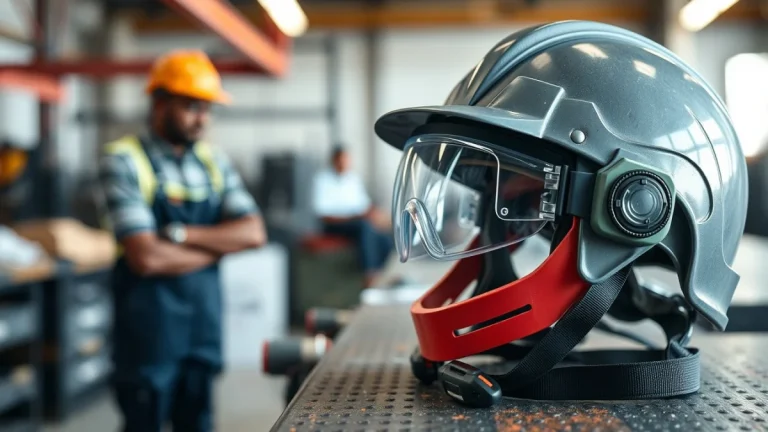
- Always wear the correct PPE. Gloves, helmets, eye protection, and steel-toe boots aren’t optional—they protect you from machinery, chemicals, cuts, and falling objects.
- Stay clear of machines unless trained. Machines have guards and lockout/tagout procedures for a reason—interacting with them without proper knowledge is very risky.
- Know emergency routes and procedures. Fires, chemical spills, or injuries can happen at any time. Knowing evacuation plans saves lives.
- Be alert for hazards. Spills, exposed wires, noise hazards, or blocked exits all need reporting.
Following these rules daily keeps the workplace safer, prevents downtime, and can even improve your job security by showing you take safety seriously.
What Manufacturing Safety Means and Why It Matters at Work
Manufacturing safety is all about protecting workers from the physical and health risks that come with factory environments. These risks come from things like moving machinery, chemicals, noise, dust, and manual handling tasks. The purpose of safety rules is not to slow you down but to make sure accidents don’t happen when doing your job.
South African factories face unique challenges, including high worker numbers on tight schedules, varied skill levels, and sometimes outdated equipment. This makes strict safety rules essential to manage risks. The Occupational Health and Safety Act in South Africa requires employers and employees to play their parts in keeping the workplace safe.
Knowing the safety basics helps workers recognize what’s risky and how to deal with it. For example, understanding machine guards’ purpose stops you from disabling them “just to work faster,” which is a common but dangerous mistake that can cause serious injuries.
The Main Rules and Responsibilities Every Worker Should Follow
1. Wear Your PPE Properly
Every task calls for specific PPE. Eye safety glasses protect against flying debris, gloves protect hands from chemicals or sharp edges, and earplugs reduce noise damage. Always check that your PPE fits well and isn’t damaged before starting work. Cleaning and maintaining PPE is part of your responsibility, but often workers overlook this, reducing the gear’s effectiveness.
2. Follow Machine Safety Procedures
Machines have safety guards, emergency stops, and warning signs designed for you. Never remove guards or bypass safety features. If a machine isn’t working properly or feels unsafe, report it immediately. Trying to “fix” or override machine controls without training can lead to accidents or worse.
3. Identify Hazards and Report Them
Manufacturing plants change all the time—new machines arrive, chemicals shift locations, and floors get crowded. Keeping an eye out for hazards like spills, electrical faults, or blocked fire exits is critical. Don’t ignore small risks; reporting these promptly can prevent bigger accidents.
4. Follow Safe Manual Handling Practices
Incorrect lifting techniques cause back injuries every day. Bend your knees, keep loads close to your body, and ask for help or use mechanical aids when needed. Many workers underestimate the strain manual tasks put on the body, leading to chronic injuries.
5. Participate in Emergency Drills and Know Procedures
Fires or chemical spills are not just theoretical risks. Knowing your workplace’s emergency procedures gives you confidence to act calmly and avoid chaos. Regular drills are often skipped or ignored, but they’re the best way to prepare.
A Real Factory Scenario: Why Safety Rules Matter
Imagine working in a busy welding workshop. A worker tries to clear a stuck part on a machine without switching it off first. The machine suddenly activates, causing a severe hand injury. This incident could have been prevented by following a simple safety rule: always use lockout/tagout procedures before maintenance.
In many South African factories, pressure to keep production moving can tempt workers to skip safety steps. But this one shortcut leads to downtime, medical costs, and possibly permanent damage. The story shows how safety isn’t just bureaucracy—it protects livelihoods.
Common Manufacturing Safety Mistakes Beginners Make
- Trying to “work around” safety rules. Feeling rushed or confident can lead workers to ignore PPE or machine guards. It feels harmless until an accident occurs.
- Assuming “it won’t happen to me.” Many underestimate how often hazards cause real injuries. Wearing safety gear “just to avoid fines” misses the true purpose.
- Not reporting hazards. Believing others will fix problems delays action, increasing risks for everyone.
- Ignoring personal hygiene and housekeeping. Dirt, clutter, and poor cleaning can cause slip hazards and health problems.
Practical Advice for Beginners Taking a Manufacturing Safety Course
- Pay close attention to PPE types and uses. Knowing why you wear what helps you take it seriously and explain it to others.
- Learn the basics of hazard identification early on. Try noting down hazards you notice in a real workplace — it boosts awareness.
- Practice safe lifting techniques even at home. It’s easier to form good habits when you use the right posture regularly.
- Ask questions during training. Don’t be shy—clarification stops misunderstandings that cause accidents.
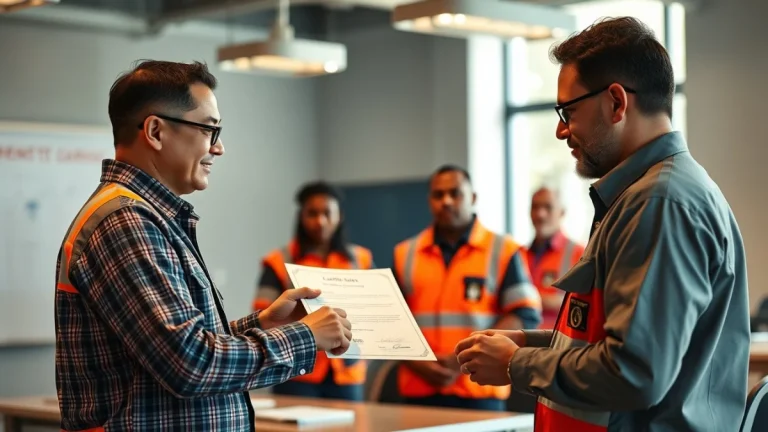
- Use your certificate as proof you know standard safety rules. It shows your employer you are prepared for safer work.