Free Manufacturing Safety Course with Certificate in South Africa: What to Know First
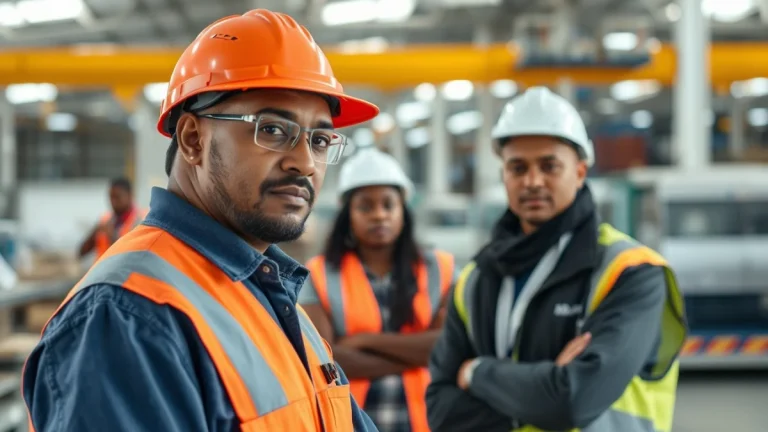
If you’re looking to improve your safety skills on the factory floor or in a manufacturing environment, the free manufacturing safety course with certificate in South Africa is a solid starting point. This kind of course teaches you how to spot risks, use the right protective gear, and understand safety rules—without any cost and with a certificate to show for it.

Many beginners get overwhelmed by safety jargon or mix up requirements, especially around PPE (Personal Protective Equipment) or hazard reporting. In real South African workplaces, not using safety gear properly or ignoring small hazards can lead to serious injuries or costly shutdowns. This course cuts through the noise by focusing on what matters day to day—like safe machine use or emergency action steps—helping you actually stay safe rather than just ticking boxes.
Why Take a Free Manufacturing Safety Course with Certificate?
At its core, a manufacturing safety course teaches you how to work safely where machines, chemicals, and moving parts exist. But the real question is: Why does it matter practically for you?
- Learn to Prevent Accidents: Manufacturing environments are busy and noisy. Small mistakes can lead to falls, cuts, burns, or worse.
- Meet Workplace Rules: South African laws require workers and employers to follow safety practices. Understanding these helps you avoid fines and keeps the plant running.
- Boost Confidence: Knowing when and how to use PPE or respond to emergencies lowers stress during hectic shifts.
- Get Certified for Free: Certificates show employers your commitment and can improve your chances when applying for jobs or promotions.
Practical point: Many workers first skip or misuse PPE because they find it uncomfortable or don’t realize the risks involved. This course explains easy ways to select and maintain PPE so it actually works for you.
What Does a Manufacturing Safety Course Cover?
The course typically breaks down into clear lessons covering everything from basic hazards to emergency actions.
1. Introduction to Manufacturing Safety
Here, you learn what makes manufacturing risky—like moving machinery or chemical exposure—and the main South African safety laws you need to know. This is where you understand why safety isn’t just “red tape.”
2. Personal Protective Equipment (PPE)
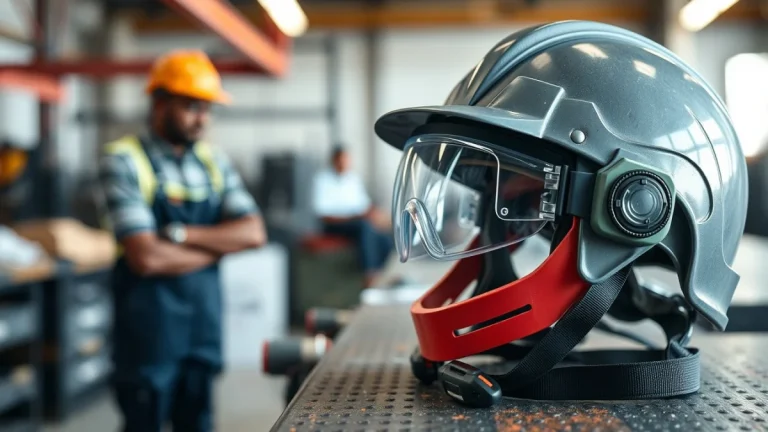
PPE is your first defence against injury. This section teaches the types of PPE (helmets, gloves, goggles), how to choose the right one for the task, and how to care for it so it stays effective.
3. Machine Safety and Guarding
This part deals with the physical risks from machines. You’ll find out about machine guards—barriers designed to keep your hands and clothing safe—and steps to operate machines without accidents.
4. Identifying Hazards and Risk Assessment
This lesson trains you to spot dangers around you before they cause harm, and how to assess and reduce risks using a simple hierarchy of controls.
5. Emergency Preparedness and Response
Knowing what to do if a fire breaks out or a chemical spills is critical. This section focuses on quick, safe reactions and evacuation procedures.
6. Safe Material Handling and Storage
Handling heavy or dangerous materials correctly protects your back and prevents spills or contamination.
7. Safety Culture and Communication
Building a positive safety culture means everyone takes responsibility. This lesson helps you learn how to communicate risks and report unsafe conditions clearly.
8. Health and Hygiene in Manufacturing
Exposure to noise, dust, and chemicals can cause health problems over time. This section covers hygiene practices to keep you healthy on and off the job.
9. Incident Investigation and Reporting
If accidents happen, knowing how to investigate and report them properly helps prevent repeats.
10. Safety Roles and Responsibilities
Everyone on site has a role. This lesson explains worker duties, employer obligations, and how safety committees function in South Africa.
What a Typical Workplace Scenario Looks Like
Imagine you’re new on the factory floor. You see a machine working but notice its guard is loose. Without training, you might keep working or even fix it yourself—risking injury. But after completing your manufacturing safety course, you’d know to report this immediately and avoid touching the machine. You’d also understand why that guard protects you and your colleagues.
Later, you’re asked to move a heavy box. Without the right manual handling knowledge, you might hurt your back. This training shows you how to lift safely or when to use mechanical aids. Small choices like these avoid lost workdays due to injury and help maintain steady production.
Common Beginner Mistakes in Manufacturing Safety
- Ignoring Minor Hazards: Many learners think small risks won’t matter. In reality, tiny slips or ignoring wear on gloves can cause serious harm.
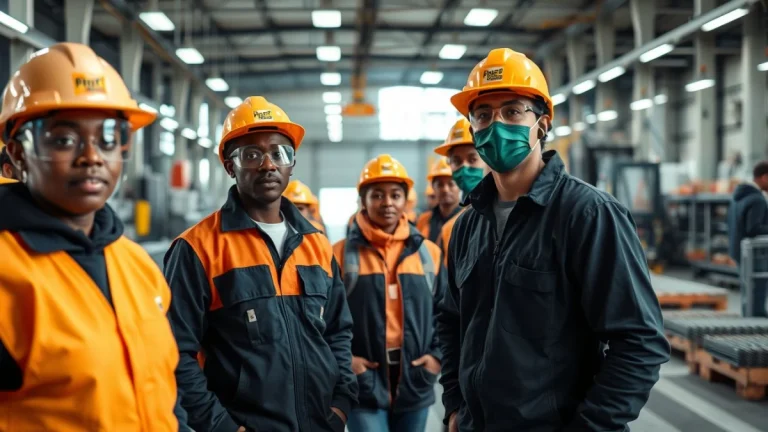
- Misusing PPE: Wearing gloves on oily machines or ignoring mask fit means PPE won’t protect you as intended.
- Skipping Reporting: Not reporting hazards or near-misses weakens workplace safety culture. This course stresses clear communication.
- Assuming Supervisors Will Handle Everything: Safety is everyone’s responsibility. Waiting for someone else can lead to accidents.
Beginners’ Advice to Get the Most from a Manufacturing Safety Course
- Take your time with each lesson—don’t rush quizzes. Safety knowledge sticks through practice and understanding.
- Relate course lessons to your own workspace. What hazards or machines do you use daily?
- Keep a simple checklist of safety steps for your tasks—refer to it often to build good habits.
- Ask supervisors questions when unsure about procedures or PPE. Clarify before risks escalate.
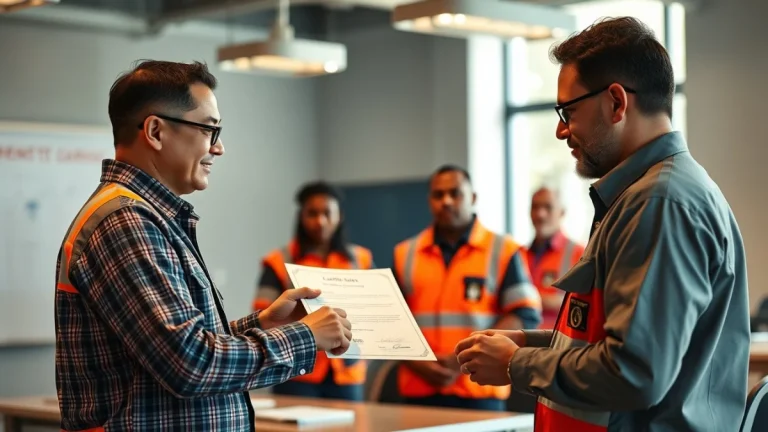
- Remember the certificate is proof of your effort—show it when applying for work to highlight your up-to-date safety skills.