PPE Requirements for Manufacturing Workers in South Africa
If you work in manufacturing or manage a manufacturing workplace, knowing the PPE requirements is non-negotiable. The South African health and safety laws clearly demand that appropriate personal protective equipment (PPE) is provided, used correctly, and maintained to reduce risks. This article cuts straight to the compliance essentials for PPE in manufacturing. It explains who must wear it, what responsibilities exist under local regulations, and what happens if PPE protocols are ignored.
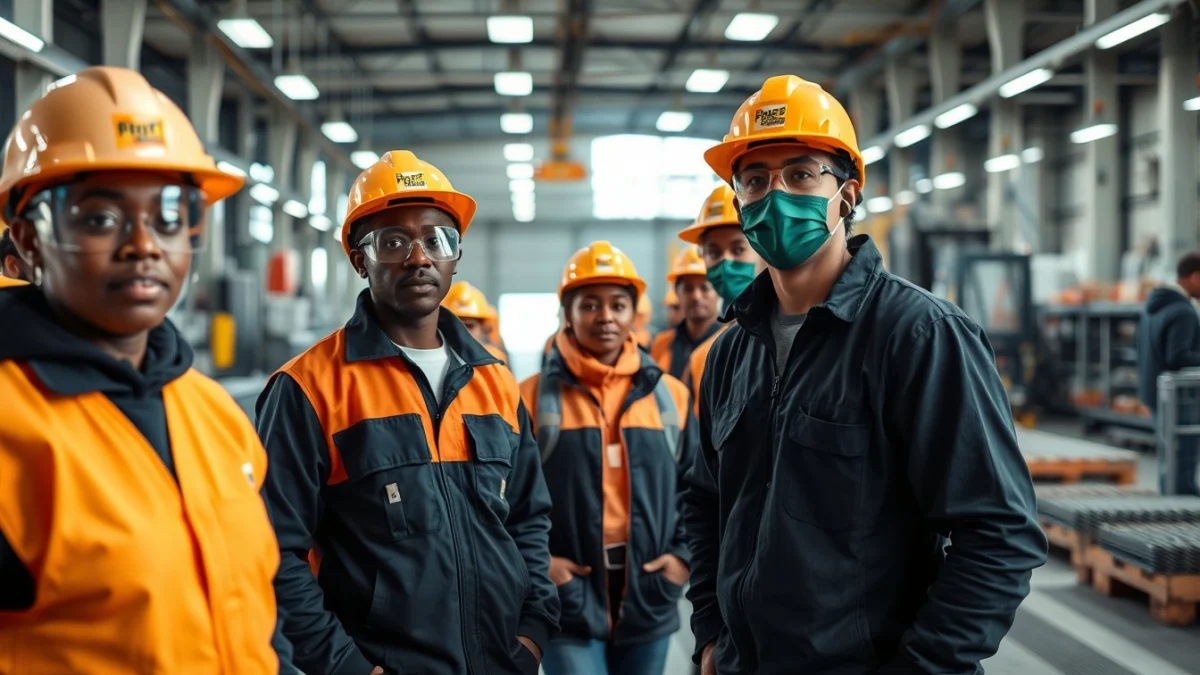
For many beginners in manufacturing safety, PPE can feel like a box-checking exercise without clear reasoning. But in reality, a worker trying to hammer parts together with bare hands in a noisy, greasy factory line risks serious injury or long-term hearing damage. Understanding where PPE fits into daily tasks sharpens attention and improves both safety and productivity.
What the Law Says About PPE in Manufacturing
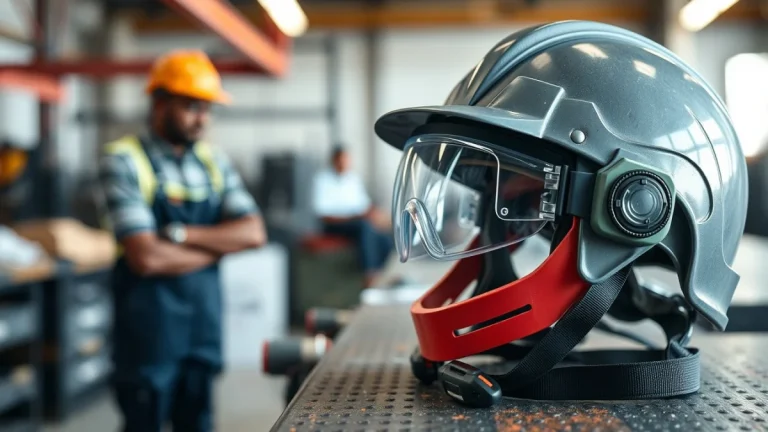
Under South Africa’s Occupational Health and Safety Act (OHSA) and supporting regulations, employers must provide PPE suitable for any hazards present in the manufacturing environment. PPE includes items like safety glasses, hearing protection, gloves, helmets, and steel-toed boots. The PPE must protect workers from risks such as flying debris, chemical splashes, electrical shocks, noise, and sharp objects.
The law requires your workplace to:
- Conduct hazard assessments to identify risks needing PPE
- Choose PPE that is appropriate and meets safety standards
- Train staff on correct usage, storage, and maintenance of PPE
- Enforce use of PPE consistently during risky tasks
- Inspect PPE regularly to replace or repair damaged equipment
Who Needs to Wear PPE?
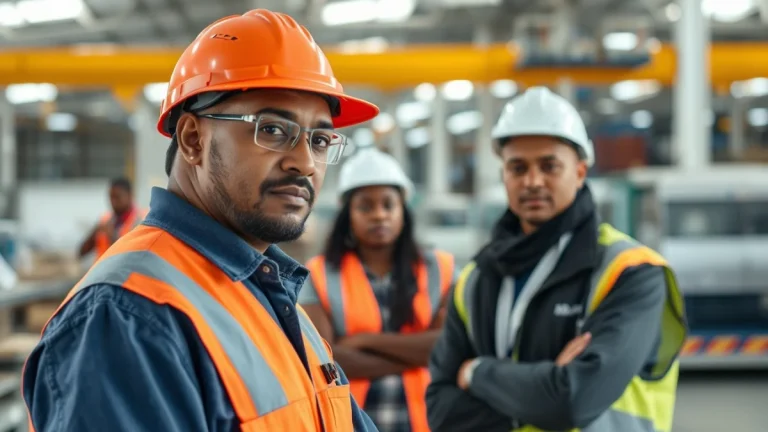
PPE is mandatory for all employees exposed to workplace hazards in manufacturing. This includes machine operators, chemical handlers, cleaners, and even office staff near noisy factory floors. Contractors and visitors must also follow PPE protocols when entering hazardous areas.
One common beginner misconception is assuming PPE is only for frontline machine operators. This can lead maintenance workers or supervisors to skip protective gear, increasing injury risk. PPE requirements apply as soon as there is any reasonable chance of injury or health hazard.
Responsibilities: Employers and Workers
Employers Must:
- Provide appropriate PPE at no cost to employees
- Train workers fully on selecting, using, and caring for PPE
- Ensure all PPE meets South African safety standards and is regularly checked
- Develop clear policies and monitor PPE compliance on site
- Keep records of training and PPE inspections
Workers Must:
- Properly wear and use the PPE provided when required
- Report any damaged or defective PPE immediately
- Take care of PPE to keep it in good condition
- Follow all safety rules related to PPE use
- Participate in training sessions and ask questions about PPE
Risks and Penalties for Non-Compliance
Ignoring PPE requirements has immediate and serious consequences. Workers risking injury without proper protective gear face hazards like chemical burns, eye injuries, hearing loss, and crushed limbs. Manufacturing businesses that fail to provide or enforce PPE use expose themselves to higher accident rates, increased downtime, and compensation claims.
The Department of Employment and Labour conducts inspections, and failure to comply with PPE regulations can result in enforcement notices, fines, or even temporary closure of facilities. Repeat offences may escalate penalties. Non-compliance can also harm company reputation and employee trust.
Practical Best Practices for PPE in Manufacturing
- Match PPE to specific hazards: Don’t use generic gear. For example, chemical splash goggles differ from impact safety glasses.
- Train hands-on: Workers need practical instruction on how to put on, adjust, and remove PPE correctly to avoid exposure.
- Schedule regular PPE inspections: Even small tears or cracks in gloves or helmets lower protection significantly.
- Keep PPE clean and well stored: Dirty or poorly stored gear can cause discomfort and discourage consistent use.
- Involve workers in PPE selection: Comfort and fit increase willingness to wear PPE during long shifts.
- Use signage and reminders: Clear visual cues near hazard zones remind staff to use PPE without delay.
Real-World Example: The Noise Hazard Puzzle
At a medium-sized metal fabrication plant in Johannesburg, operators initially resisted wearing hearing protection consistently. The hearing cups were bulky and hot in summer, so workers took them off during busy periods. This led to several cases of tinnitus and hearing loss reported within a year.
The employer responded by introducing lighter, climate-adapted earmuffs and regular spot checks combined with clear warnings about noise risks. After enrolling workers in a free manufacturing safety certification course South Africa offers online, the understanding of PPE importance increased. Compliance gradually improved, reducing noise-related complaints and improving job satisfaction.
This example shows how failure to address comfort and knowledge reduces PPE use and increases injury risks—even when equipment is provided.
Common Questions About PPE Requirements in Manufacturing
Who is responsible for providing PPE in South African manufacturing workplaces?
What types of PPE are typically required in manufacturing?
What are the consequences if PPE is not used correctly?
How can workers ensure their PPE fits and protects properly?
Summary and Next Steps
Manufacturing workplaces in South Africa must take PPE requirements seriously to protect workers from common hazards. The law clearly assigns duties to employers and workers alike. Neglect puts people and businesses at significant risk. When selecting, training on, and enforcing PPE use, practical factors like fit and comfort play a big role in compliance success.
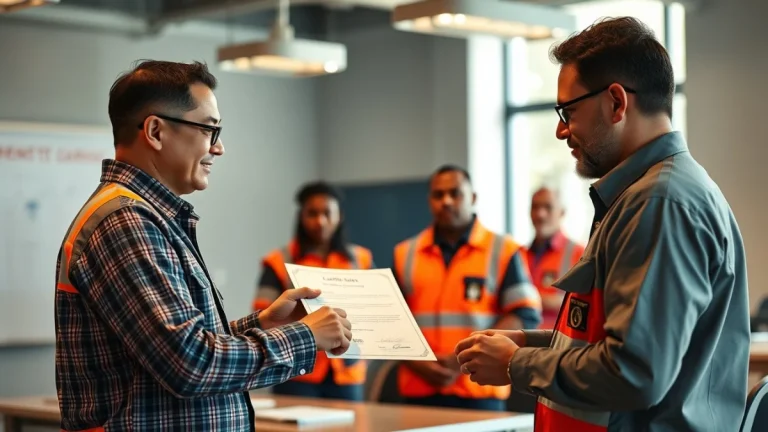
If you’re starting out or want to improve your understanding, consider an online manufacturing safety training free South Africa options make available. These courses provide the foundational knowledge and certificate proof of skills in workplace safety.