What a Petrol Attendant Really Does
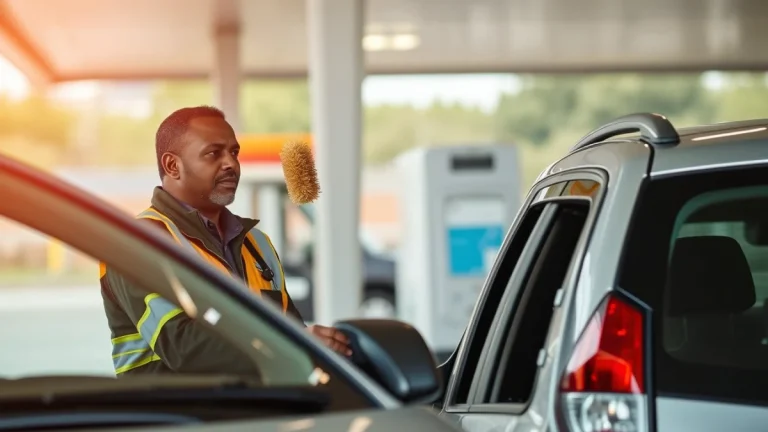
If you’re curious about what a Petrol Attendant does day to day, here’s the straightforward answer: they ensure customers’ vehicles refuel safely and efficiently while providing helpful service at South Africa’s petrol stations. This job involves more than just pumping fuel. A petrol attendant handles multiple tasks—from managing payments to maintaining safety standards—all while interacting with people under busy, sometimes stressful conditions.
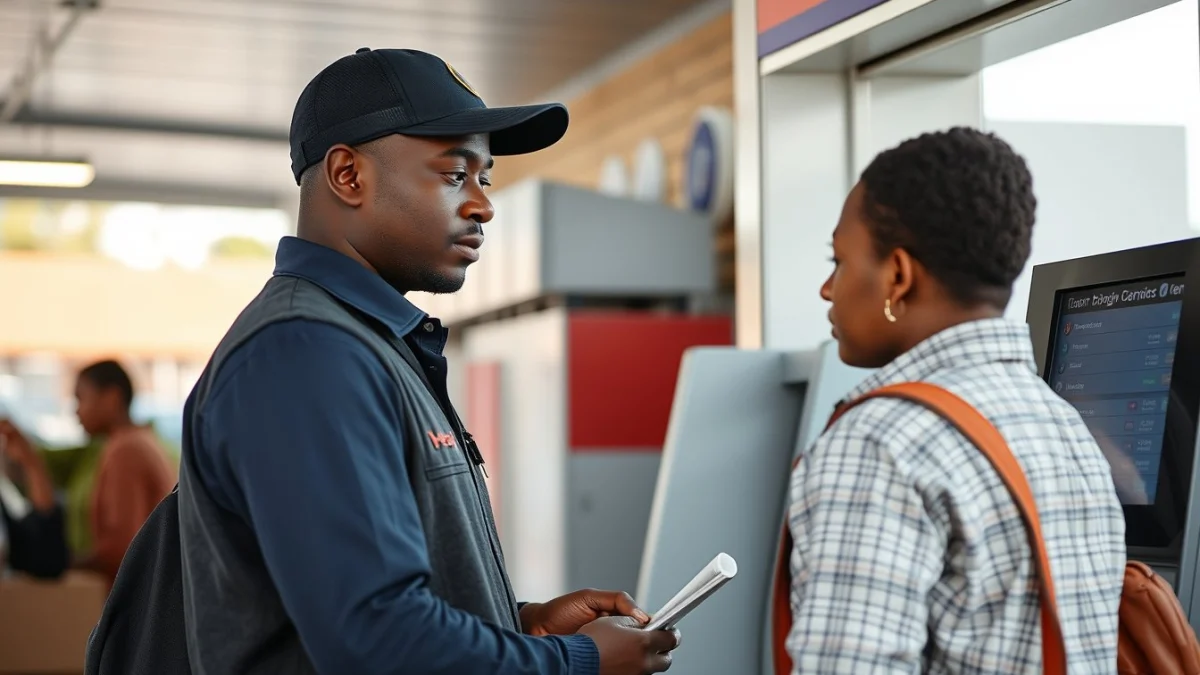
For beginners, the biggest challenge is learning the safety rules and customer service skills at the same time. Many think it’s just pressing buttons on the pump, but it actually requires attentiveness to avoid mistakes like misfueling or ignoring safety risks that can lead to accidents. This balance of technical know-how and people skills is why getting proper petrol attendant training with a certificate in South Africa makes a big difference.
What This Means in Practice for Petrol Attendants
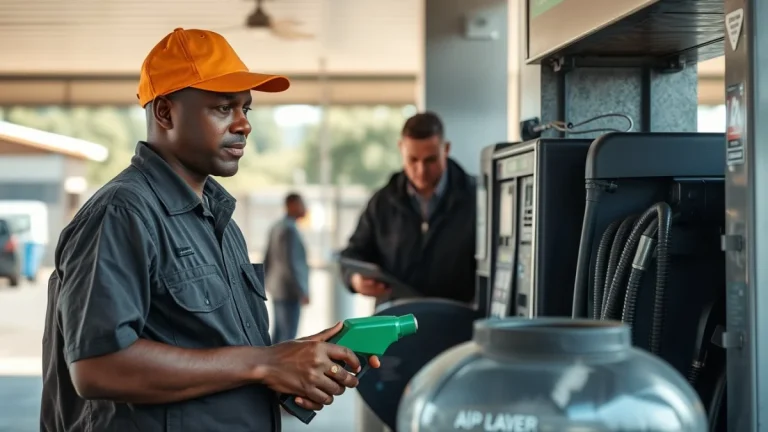
At work, a petrol attendant helps customers fuel their vehicles, answers questions, handles payments, and keeps the station safe and clean. They need to know how different fuel types work because one wrong choice could damage a vehicle or cause spills. For instance, mixing petrol and diesel is a common rookie mistake. Staying alert to such details protects both the customer and the station from costly problems.
Besides the pumps, attendants check safety gear like fire extinguishers and must be prepared to deal with emergencies, including fuel spillages or fires. The role mixes practical hands-on work with attentive customer service, meaning simple communication skills also go a long way in smoothing daily operations.
The Core Responsibilities of a Petrol Attendant
- Fuel Handling: Knowing types of fuel (petrol, diesel, LPG), following correct dispensing steps, and preventing contamination.
- Customer Service: Greeting customers, offering assistance, handling payments accurately, and managing complaints calmly.
- Safety Maintenance: Using personal protective equipment, conducting safety checks on equipment, knowing emergency protocols.
- Cleaning and Inspection: Keeping forecourts tidy, inspecting fuel pumps, and reporting any faults or hazards promptly.
- Communication and Teamwork: Coordinating shift handovers, reporting issues to supervisors, and supporting colleagues.
A Day in the Life: A Real Work Scenario
Imagine arriving for a morning shift at a busy urban petrol station in Johannesburg. The first task is checking all fuel pumps and fire safety equipment. Then comes handling a rush of customers needing quick service before work. You spot a customer trying to put diesel into a petrol car. You politely intervene and explain why it’s important to match fuel types. Later, you manage card payments with a new terminal and handle a complaint from a frustrated driver about a delayed pump. Cleaning up a small fuel spill near the station entrance rounds out the shift before handing over to your colleague.
This mix of safety awareness, customer interaction, and multitasking is what the free petrol attendant course with certificate in South Africa prepares you for better than on-the-job guessing.
Common Misunderstandings About the Petrol Attendant Role
- It’s just about fueling cars. In reality, attendants do a lot more—safety checks, payments, cleaning, and handling emergencies.
- Safety isn’t a big deal. Petrol stations are high-risk areas. Overlooking safety procedures can have serious consequences for everyone on site.
- Anyone can do this job without training. Mistakes like fuel contamination or poor cash handling can cost the station money and damage customer trust.
- Customer service is easy. Dealing with impatient or upset customers requires patience, clear communication, and professionalism.
Beginner Tips for New Petrol Attendants
- Learn the layout and equipment: Familiarise yourself with where safety gear and payment terminals are placed before your shift.
- Take your time to verify fuel types: Always double-check the customer’s vehicle and fuel type to avoid mistakes.
- Practice calm communication: Stay polite and clear, especially when handling complaints or emergencies.
- Don’t skip safety steps: Wear protective gear and follow emergency procedures—these are not optional.
- Keep the station clean: A neat forecourt prevents accidents and makes a better impression.
- Ask questions: No one expects you to know everything at once—seek guidance when unsure.