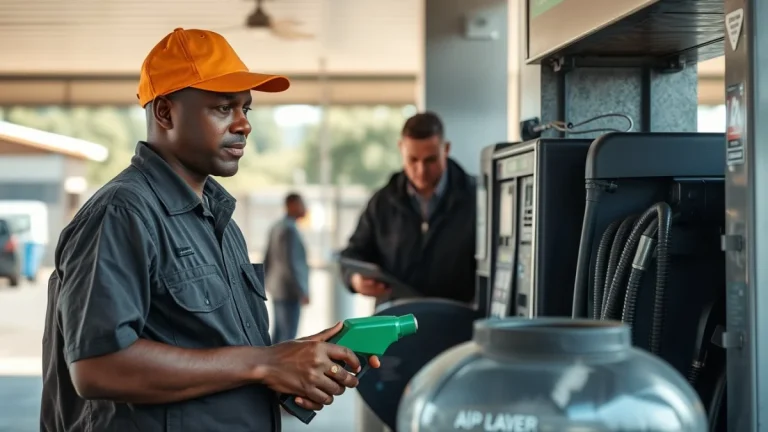
How Much Does a Petrol Attendant Earn in South Africa?
In South Africa, a petrol attendant’s monthly salary typically falls between R3,500 and R6,500. For many beginners entering the field, the starting salary is around R3,500 to R4,000. Those with experience, certificates, and solid workplace skills can expect to push toward the higher end, closer to R6,500 or sometimes slightly more, depending on the employer and location. This range reflects what you can expect from a free petrol attendant course with certificate in South Africa, which helps you get practical skills employers want. Many new attendants underestimate how much safety and customer service skills affect their pay. You might start with basic duties, but employers often pay more for attendants who can handle emergency protocols and cash management properly.
Petrol Attendant Salary Range in South Africa
| Experience Level | Typical Salary (Monthly, ZAR) |
|---|---|
| Entry-level / Beginner | R3,500 – R4,000 |
| Mid-level (1-3 years experience) | R4,000 – R5,500 |
| Experienced / Skilled | R5,500 – R6,500+ |
What Factors Affect Petrol Attendant Salaries?
Several things influence how much petrol attendants earn in South Africa:
- Location: Urban petrol stations usually pay more than rural ones, but the workload and pace are often higher too.
- Experience and Training: Completing a petrol attendant training with certificate South Africa increases your value, especially if the training covers safety, customer service, and handling payments.
- Employer Type: Large fuel retailers may offer better pay and benefits compared to smaller independent stations.
- Shift Patterns: Working night shifts or weekends often comes with additional pay but can be more exhausting.
- Skills Beyond Refuelling: Attendants who manage cash, handle emergencies swiftly, and maintain station cleanliness tend to be paid better.
What Does a Beginner Petrol Attendant Earn?
Starting out, expect closer to the R3,500 monthly mark. Many beginners focus just on pumping fuel, but this is a common misstep. Employers look for attendants who combine safe fuel handling with good customer service and quick problem-solving. Beginners often think it’s a simple job, yet they quickly find the pace of work and multitasking (fuel pumps, payments, cleaning, safety checks) require quick thinking and care. Without basic training, mistakes like fuel spills or payment errors can happen, which can delay shifts and impact earnings.
Career Growth and Salary Development
The petrol attendant role can be a stepping stone to supervisory jobs or retail management within the fuel industry. With added responsibilities such as shift coordination or stock management, salaries can rise toward R7,000 or more. Advancing requires:
- Building stronger customer interaction skills
- Mastering cash handling and daily reconciliations
- Completing workplace safety and fire emergency training
- Reliability and punctuality to gain trust
Employers reward attendants who keep the station running smoothly during busy hours and contribute to a safe working environment.
Simple Ways to Increase Your Petrol Attendant Earnings
If you want to improve your earnings over time, try these:
- Complete a free petrol attendant skills development course South Africa to add certificates to your CV.
- Volunteer for shifts during weekends or holidays when pay rates are higher.
- Learn first aid and emergency procedures — employers value this highly for safety roles.
- Show initiative in keeping the station clean and safe, helping reduce accidents and fines.
- Polish your communication skills to handle difficult customers calmly and professionally.
Showing these extra qualities can lead to raises, bonuses, or promotions.
Frequently Asked Questions
How quickly can I get hired after completing a free petrol attendant online course in South Africa?
Is there a big difference in pay between petrol attendants in cities vs small towns?
Do petrol attendants get paid overtime for extra hours or night shifts?
Can a petrol attendant earn commission or bonuses?
Ready to Kickstart Your Petrol Attendant Career?
Start with a strong foundation by joining a free petrol attendant beginner course with certificate in South Africa. This will give you the skills and confidence to handle daily tasks safely and professionally while improving your pay potential. Check out the practical petrol attendant course here: Petrol Attendant Course with Certificate in South Africa. Gain proven workplace skills and a certificate to show employers you’re ready to work.