What to Know First About Skills for Petrol Attendants
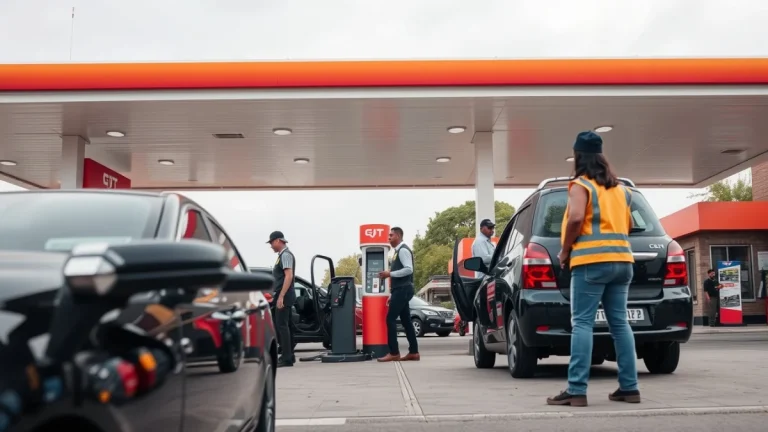
If you’re looking for a free petrol attendant course with certificate in South Africa, it helps to know exactly what skills you’ll need to do the job well. A petrol attendant’s role goes beyond just filling tanks – you handle payments, keep the station safe, communicate with customers and colleagues, and deal with emergencies. Many beginners underestimate how much responsibility and attention to detail the role demands in a busy South African petrol station.
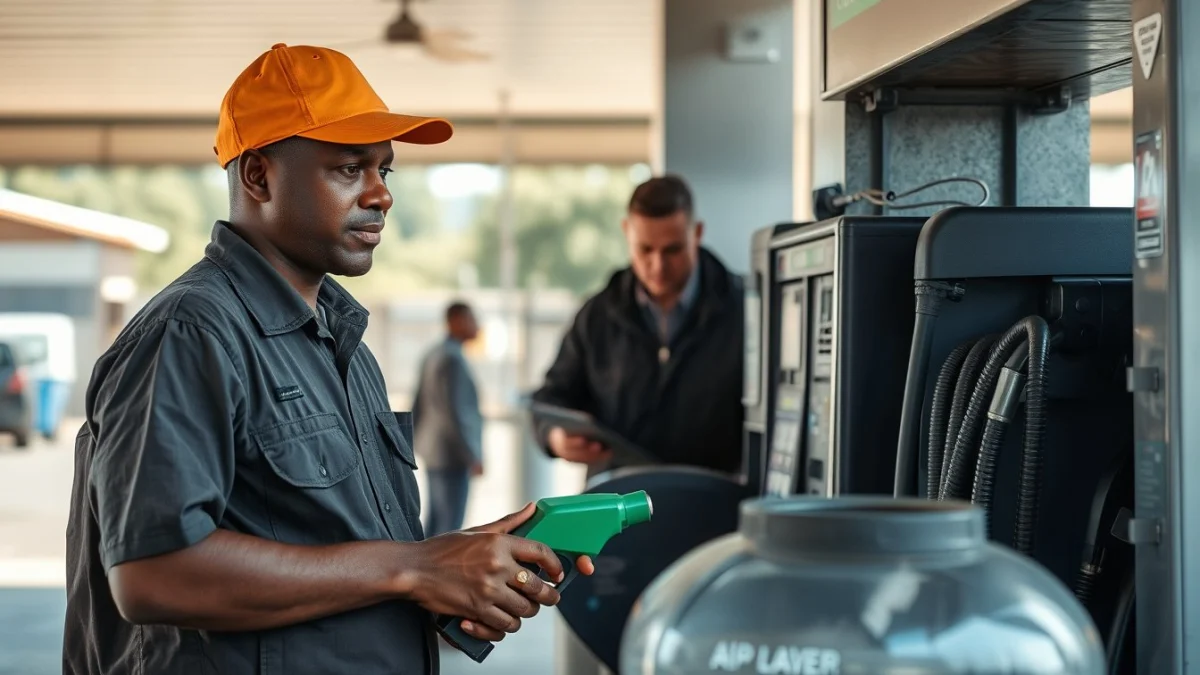
One common confusion is thinking the job is just about quickly dispensing fuel. In reality, petrol attendants juggle safety protocols, customer service, and equipment checks all while working under pressure. For example, handling a cash till during a busy shift while spotting a small fuel leak can feel overwhelming if you aren’t prepared. That’s why learning the right skills through specialised petrol attendant training with certificate South Africa is essential.
Core Skills Every Petrol Attendant Needs
1. Fuel Handling and Safety Awareness
Understanding how to operate fuel dispensing equipment safely is critical. Petrol attendants must know different fuel types (petrol, diesel, LPG) and follow correct refuelling steps to avoid spills or accidents. Handling fuel spillages correctly and using protective gear shows responsible care for the workplace and customers.
2. Customer Service Skills
Greeting customers warmly and managing transactions accurately is a daily part of the job. You’ll need good communication to explain products or resolve complaints calmly. Remember, a friendly attitude can turn a routine refuel into a positive experience that keeps customers coming back.
3. Cash Handling and Payment Management
Attendants often operate payment terminals and work with cash floats. Understanding how to balance your till, record sales accurately, and follow security steps prevents mistakes and theft—a key skill that many beginners overlook.
4. Health, Safety, and Emergency Preparedness
The petrol station environment has risks like fuel fires or spills. Petrol attendants must wear personal protective equipment, know fire safety procedures, and respond quickly to emergencies. Missing small hazards can lead to serious incidents, so vigilance is crucial.
5. Teamwork and Workplace Communication
You’ll work in shifts and need to handover information clearly to the next attendant. Good teamwork keeps the station running smoothly and helps handle peak times without confusion or error.
6. Basic Maintenance and Cleaning
Keeping pumps, equipment, and customer areas clean isn’t just about appearances. Regular inspections prevent breakdowns and ensure fuel delivery systems remain safe and efficient.
Why These Skills Matter on the Job
In a busy South African petrol station, every fuel pump might serve dozens of cars each hour. If an attendant misses a safety step or runs out of change in the till, it slows down service, leaving queues longer and customers frustrated. Poor communication during shift handovers can also mean safety risks or equipment faults go unnoticed.
Real work pressures include staying alert during repetitive tasks, managing tough customers at peak times, and balancing strict safety rules with fast service. Having the right skills keeps you confident and helps you avoid costly mistakes. Learning this through a free petrol attendant online course South Africa offers a practical way to build your readiness.
A Practical Day: What Working as a Petrol Attendant Looks Like
Imagine starting your shift by checking fuel pumps and safety signs, then handling the morning rush while keeping an eye on any unusual smells or spills. A driver spills some diesel accidentally, and you quickly grab your spill kit, cordon off the area, and notify your supervisor. Meanwhile, two customers are waiting to pay for snacks and fuel, so you process payments efficiently, handing receipts carefully to avoid errors.
When a colleague arrives for a shift changeover, you brief them on any issues: one pump is due for maintenance tomorrow, and a customer reported faulty card payment. This smooth handover ensures no gaps in safety or service.
Common Beginner Mistakes and Misunderstandings
- Thinking safety is just a formality: Some beginners forget that safety rules protect lives, not just avoid fines. Skipping PPE or rushing refuelling can lead to fires or spills.
- Underestimating the customer service role: Being polite and attentive isn’t optional. It actually prevents conflicts and keeps your workplace calm.
- Ignoring proper cash management procedures: Not balancing the cash float correctly risks financial loss or accusations of theft.
- Overloading yourself: Trying to do everything at once without asking for help leads to mistakes. Team communication helps share workloads.
Beginner Advice for Gaining Petrol Attendant Skills
Start with a free petrol attendant beginner course with certificate in South Africa — it guides you through all necessary skills in manageable steps. Focus on mastering one skill at a time, especially health and safety rules. Practise customer greetings and payment handling until they feel natural.
Ask experienced attendants questions on the job and observe how they handle busy or emergency situations. Remember, it’s normal to feel overwhelmed at first, but experience and training build confidence.