Petrol Station Safety Rules Every Attendant Must Know
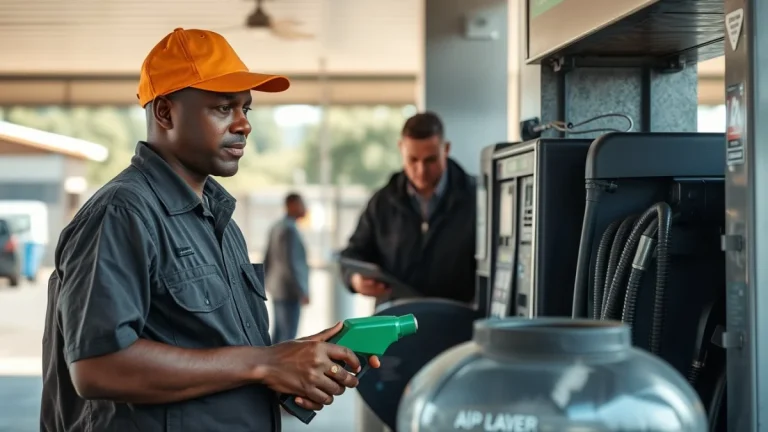
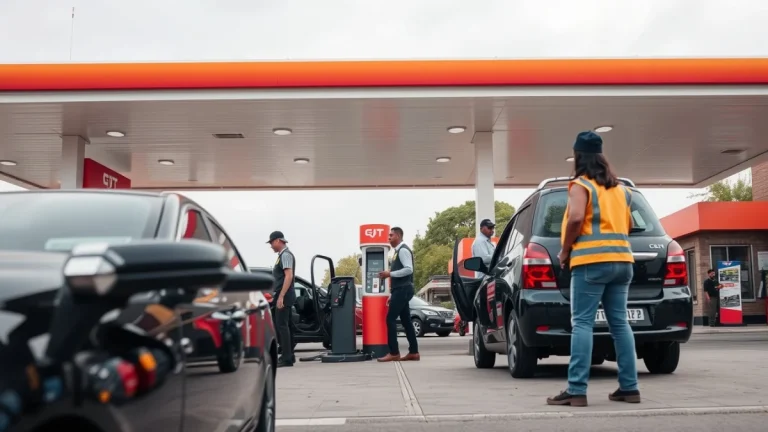
Working as a petrol attendant involves more than just filling up vehicles. Safety at petrol stations is critical and non-negotiable. This blog covers the basic safety rules every petrol attendant should know and follow to keep themselves, customers, and the station safe.
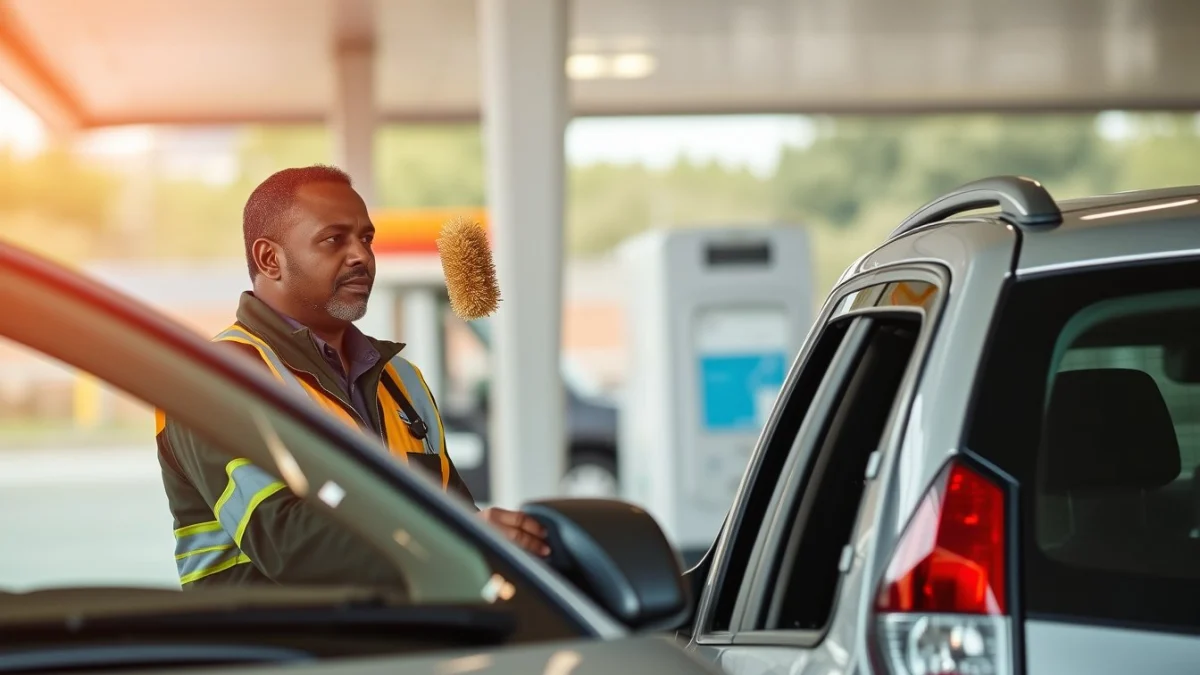
If you’re just starting out or considering petrol attendant training, knowing safety rules early helps avoid confusion and mistakes often seen in the South African retail fuel environment. For example, a new attendant might underestimate the importance of handling fuel spills quickly — a small spill that goes unnoticed can spark serious fire hazards or health risks.
Key Petrol Station Safety Rules Explained
Understanding the Hazards Around You
Petrol stations are full of risks: flammable liquids, electrical equipment, moving vehicles, and slippery surfaces. The first rule is to identify these hazards clearly. Your training in safety equipment placement and fuel handling will help you stay alert to risks.
Always Use Personal Protective Equipment (PPE)
South African petrol attendants must wear PPE such as gloves, masks, and flame-resistant uniforms where necessary. PPE isn’t about discomfort – it’s your first barrier against fuel contact and inhaling fumes. Skipping PPE leads to skin irritation or worse.
Fuel Dispensing Safety
- No smoking or open flames: There are strict no-smoking zones at petrol stations because even a small spark can cause an explosion.
- Proper nozzle handling: Always keep the nozzle in contact with the vehicle’s tank to prevent static sparks.
- Refuel carefully: Follow the right fuel type for each vehicle and avoid overfilling tanks.
Spills and Emergency Response
Fuel spills are a common hazard. A rookie mistake is ignoring minor spills or failing to report them immediately. Even a small drop can create slippery surfaces and increase fire risk. Know where spill kits and fire extinguishers are located, and act fast to contain spills.
Fire Safety Procedures
Petrol stations have strict fire safety rules:
- Know how to use fire extinguishers and when to raise an alarm.
- Follow evacuation protocols exactly.
- Regularly check that all emergency exits and fire equipment are accessible and functional.
The Importance of Clear Communication and Teamwork
Safety is a team effort. During shift handovers or busy hours, clear communication about hazards, equipment faults, or spillages can prevent accidents. Miscommunication or ignoring information often causes safety lapses.
For example, if a pump is faulty and not reported, customers may be exposed to risks, or fuel leakage could worsen unnoticed.
Real-World Example: A Day at the Station
Imagine a busy afternoon at a popular South African petrol station. The attendant spots a small pooling of diesel near a pump. Instead of ignoring it, they immediately use the spill kit and notify their supervisor. A fire extinguisher is within reach, just in case.
This quick action prevents a slip accident and reduces fire risk. This kind of vigilance separates safe workplaces from dangerous ones.
Common Misunderstandings in Petrol Station Safety
“Small spills aren’t dangerous.”
This is false. Even tiny spills need quick attention. Fuel vapours are highly flammable and can be harmful to inhale.
“Using PPE is optional if you work carefully.”
Wrong. PPE must always be worn. Accidents don’t wait for careful moments.
“Handling emergencies is only for managers.”
All attendants need basic knowledge of emergency protocols, from fire response to first aid.
Advice for Beginners: How to Stay Safe on the Job
- Pay attention during workplace safety training, especially on fire safety and spill cleanup.
- Don’t rush fuel dispensing; focus on each customer’s needs clearly.
- Keep walkways dry and tidy at all times.
- If unsure about a procedure, ask a supervisor immediately. Never guess with safety.
- Practice good communication during shift changes, including any unusual hazards or equipment issues.