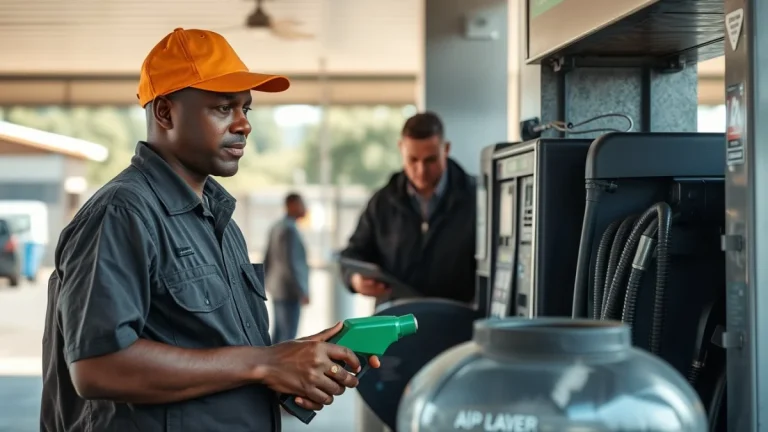
Starting Out as a Petrol Attendant in South Africa
If you’re looking for an entry-level job that’s practical and in demand, a petrol attendant role is a good way to start. The Free Petrol Attendant Course with Certificate in South Africa from EduCourse offers a straight path to build skills and boost your chances. This course is designed for learners without experience, preparing you for real petrol station duties in South African workplaces.

It’s normal to feel unsure about where to begin or what the job actually involves. Many beginners don’t expect how much attention to detail and safety awareness the role demands—like handling fuel spillages safely or dealing calmly with tough customers during busy hours. That’s why starting with clear training helps avoid early mistakes that can cost you confidence or even safety on the job.
What to Know Before You Begin
Petrol attendants wear several hats—from assisting customers and handling payments to maintaining equipment and following strict safety rules. The short answer: you don’t need prior experience, but you do need basic workplace readiness, safety knowledge, and customer service skills. The job isn’t just “pumping petrol”—it’s being alert to hazards, handling emergencies, and keeping the station clean and secure.
One common beginner mistake is rushing the refueling process, which can result in spills or fuel being given on the wrong pump. This can upset customers and create safety risks. Taking time to master the right procedures early will save headaches at work.
How To Get Started Step-By-Step
- Sign up for a free petrol attendant online course that offers a certificate in South Africa. The EduCourse petrol attendant course covers all basics, from safety to customer service.
- Learn the petrol station layout and equipment—know where pumps, fire extinguishers, and emergency exits are located before you start hands-on work.
- Focus on fuel handling and safety. Understanding the different fuel types (petrol, diesel, LPG) and how to respond to spillages is critical.
- Practice customer interaction—greeting customers politely, managing payments correctly, and resolving complaints calmly.
- Get familiar with workplace communication and teamwork, as petrol attendants often rely on good handovers and cooperation during busy shifts.
- Understand your daily maintenance duties like cleaning the station, checking equipment, and reporting issues promptly.
- Learn emergency protocols and basic first aid to handle incidents professionally and safely.
- Prepare for the work environment—know the dress code, expectations, and career progression options.
Key Skills and Requirements for Petrol Attendants
- Safety Awareness: Must know how to prevent and handle hazards like fuel spills and fires.
- Customer Service: Clear communication, patience, and professionalism are vital.
- Attention to Detail: Accurate cash handling and equipment checks prevent mistakes and loss.
- Teamwork: Petrol attendants work closely with supervisors and colleagues through shift handovers.
- Physical Stamina: The role often involves standing for long hours and manual tasks like cleaning and lifting.
- Reliability: Employers value punctuality and dedication, especially since safety depends on every attendant doing their part.
Common Beginner Mistakes to Avoid
Rushing or skipping safety checks: Beginners sometimes try to speed through refueling, ignoring PPE or spills. This can cause accidents or fines.
Mismanaging cash transactions: Errors with payments frustrate customers and cause trust issues at work. Always double-check amounts and balances.
Poor communication with team: Failing to give clear shift handovers or update colleagues on problems leads to confusion and slow responses.
Neglecting maintenance duties: A messy or faulty station reflects badly and could put customers at risk.
What to Expect Day-to-Day
On a regular shift, you’ll greet customers, operate fuel pumps safely, handle payments, and tidy the forecourt. You’ll need to keep alert for any hazards like spills or malfunctioning pumps. Sometimes you’ll deal with upset customers or work under pressure during busy periods. Expect physical work and teamwork to be a big part of your day.
Employers expect attendants to act responsibly and stay calm in emergencies—which means practice and good training are non-negotiable. Taking a free petrol attendant beginner course South Africa offers online helps set you up with realistic skills before you face the heat.
Confidence Boost: You Can Learn and Succeed
Starting without experience is normal. The right course breaks down all your duties into manageable lessons, so you build skills step-by-step and test yourself with quizzes. Learning about fuel types, safety equipment, customer service, and emergency response prepares you for what really happens on shift.
Remember that all petrol attendants at some point felt unsure or made small errors. What matters is you’re willing to learn and stay safe. Your certificate shows employers you’re serious and ready to start.
Action Checklist to Get You Going
- Enroll in a free petrol attendant online course with a certificate in South Africa.
- Study the course lessons on safety, customer service, and equipment.
- Practice handling cash and operating payment machines.
- Learn how to respond to fuel spillages and emergencies.
- Get familiar with workplace etiquette and teamwork.
- Prepare your work attire according to petrol station standards.
- Apply for beginner petrol attendant jobs or workplace training opportunities.