What to Know First About Restaurant Assistant Skills Employers Value
If you’re looking to start a hospitality career in South Africa, knowing the right skills as a restaurant assistant is the fastest way to get noticed by employers. A Free Restaurant Assistant Course with Certificate in South Africa shows you how to handle real work tasks correctly and confidently. This matters most on busy restaurant floors where one small mistake can slow down service or risk food safety.

Many beginners think the job is just serving food and clearing tables. But the reality is fuller and more urgent. You need to balance quick communication, safety routines, and customer care — all while staying calm when orders pile up or tables need resetting fast. The best restaurant assistants grasp these everyday pressures early, which is why practical training is key. This also explains why courses that mix skills with certificates, like the ones offered online for free South Africans, help jobseekers stand out.
What Restaurant Assistant Skills Really Mean on the Job
1. Safe Food Handling
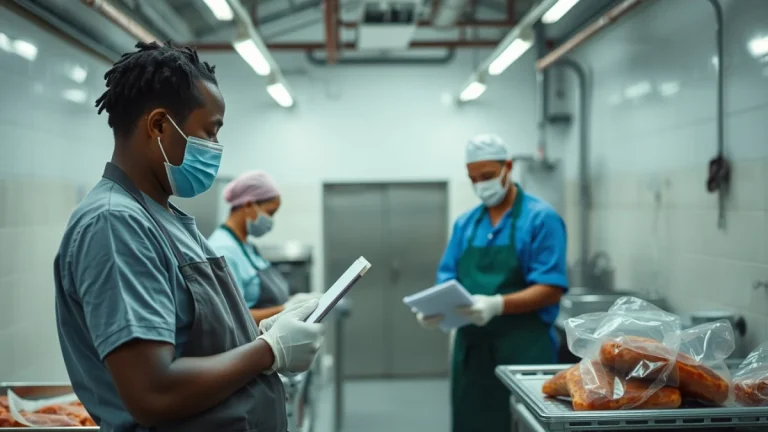
Food safety isn’t just a kitchen thing; it’s the restaurant assistant’s responsibility too. Employers expect you to know how to keep food at the right temperature, avoid cross-contamination, and maintain cleanliness. Even a quick slip-up, such as using the same cloth for raw and cooked food areas, can cause serious issues. So, working knowledge of hygiene rules and hands-on practice with these rules is crucial.
2. Efficient Customer Service
Greeting customers politely, taking orders accurately, and handling complaints calmly are daily tasks. New assistants often underestimate how much body language and tone affect customer mood. Employers want assistants who listen well and act fast, because slow or sloppy service hits restaurant ratings.
3. Teamwork and Communication
The restaurant floor is full of moving parts. You’ll be working closely with waiters, chefs, and managers. Clear, brief communication keeps everything running smoothly. Assisting the kitchen while serving customers without stepping on toes takes practice and good attitude.
4. Time Management and Organisation
Busy periods can overwhelm beginners. The key is learning how to prioritise tasks — such as cleaning a table quickly before a new group arrives or prepping cutlery while waiting for an order. Organisations value assistants who can work methodically under pressure, keeping everything tidy and ready.
Why These Skills Matter in South African Restaurants
South Africa’s hospitality scene is fast-paced with diverse customers. Many restaurants operate on tight margins and depend heavily on frontline staff to avoid costly errors. Confident assistants reduce food waste, enhance guest experiences, and keep kitchens compliant with local health requirements. Without proper skills, it’s common for assistants to make small mistakes that lead to frustrated guests or unsafe food handling.
For example, a rushed assistant might forget to check food temperatures, risking spoilage or customer illness. This is a big risk in South Africa’s hot climate, so understanding food safety isn’t optional. That understanding comes from practical lessons often skipped in casual, on-the-job learnings but covered in dedicated training.
Common Beginner Mistakes and How to Avoid Them
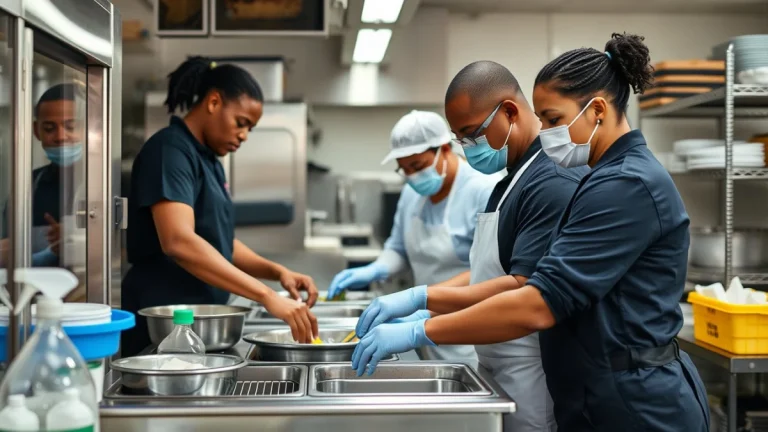
- Skipping Hygiene Protocols: Thinking wiping surfaces with any cloth is enough can spread germs. Always use proper sanitising agents, and wash hands regularly.
- Misplacing Orders: Not repeating orders back or writing them down causes confusion. Use simple tools like order sheets or smartphones if allowed.
- Ignoring Customer Signals: Waiting for customers to complain instead of checking in early can damage service. Learn to read body language and act before issues grow.
- Overloading Tasks: Trying to do everything at once leads to burnout and errors. Ask for help or notify your manager when swamped.
Example: A Busy Friday Night Scenario
Imagine walking into a packed restaurant on a Friday evening. Tables are full, the kitchen is under pressure, and customers expect quick service. As a restaurant assistant, you start by checking the cleanliness of the dining area and resetting tables quickly. At the same time, you help the waiter serve food and clear empty plates. You notice some plates have not been wiped properly, which you correct before customers arrive, preventing complaints. When a customer asks a question about a meal, you respond politely and promptly, showing calm and confidence despite the fast pace.
Skills like multitasking without missing details, keeping calm when orders stack up, and maintaining cleanliness show your real value here. This snapshot highlights why a practical restaurant assistant skills course free South Africa offers new learners a chance to train for the real-world rush.
Tips for Beginners Starting Out
- Practice Cleanliness Habits: Wash hands often, use gloves when needed, and double-check prep areas.
- Communicate Clearly: Use simple sentences, repeat orders, and ask questions when unsure.
- Stay Observant: Watch how experienced colleagues move around and handle tasks.
- Manage Your Energy: Take breaks when possible and keep hydrated, especially during long shifts.
- Keep Learning: Use free online courses that provide certificates to build confidence and skills.