Restaurant Assistant Jobs in South Africa – What You Need to Know
Looking for a practical career start in hospitality? A Restaurant Assistant job in South Africa is one of the most accessible entry points—especially if you take a Free Restaurant Assistant Course with Certificate in South Africa. This role is a springboard that gets you inside the fast-paced world of food service with real skills employers want.

One thing beginners often miss: the pressure isn’t just in serving food — it’s handling multiple tasks at once while keeping things clean, safe, and friendly. Imagine juggling new orders, clearing a spilled drink, and answering customer questions all within minutes. That’s daily life for a restaurant assistant. Knowing this early can save you frustration and prevent the common mistake of underestimating how much hustle the role demands.
What the Restaurant Assistant Role Involves
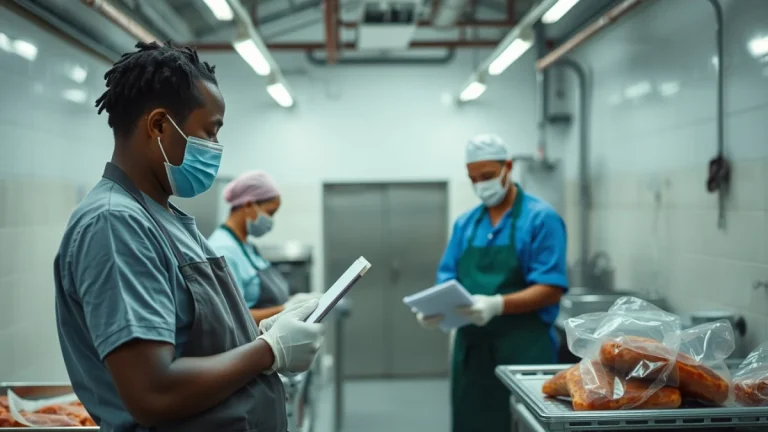
Restaurant assistants keep the dining experience smooth behind the scenes. You’ll help set tables, greet guests, serve food and drinks, clear plates, and make sure hygiene standards are met. Your work ensures chefs, waiters, and managers can focus on their tasks without interruptions.
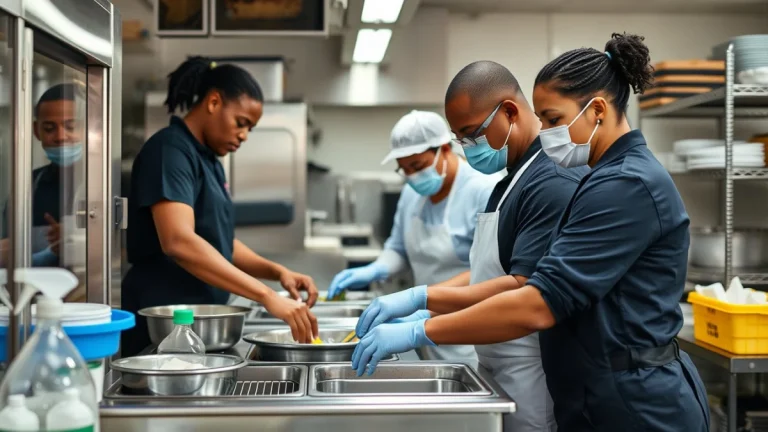
A realistic detail: you often need to quickly clean and reset tables during busy lunch or dinner rushes. Falling behind here affects how guests feel about the restaurant—and your team’s whole flow. So, strong organisational habits are key.
The Skills You’ll Need
- Attention to cleanliness: Food safety is non-negotiable. Knowing how to handle food safely and maintaining personal and workspace hygiene is vital.
- Good communication: You’ll need to talk clearly with customers and team members. Being polite and patient goes a long way in avoiding misunderstandings.
- Time management: Busy times will test how you prioritise tasks. Keeping calm and staying organised enhances efficiency.
- Teamwork: Restaurants depend on everyone pitching in. You’ll coordinate with waiters, kitchen staff, and management daily.
- Basic practical skills: Using equipment properly and assisting with simple food preparation are everyday duties.
Qualifications and Learning Paths
Many first-time workers wonder if they need formal education. The good news: you don’t need a degree. A free beginner restaurant assistant course South Africa provides the essential skills and a certificate that shows employers you’re serious and trained.
This course covers food safety, customer service, health and safety, and practical skills to handle the workplace confidently. It’s designed for South African learners, so it addresses local regulations and workplace realities.
Industries and Employers Hiring Restaurant Assistants
Restaurant assistants are needed everywhere there’s food service:
- Casual dining restaurants
- Fast food chains
- Hotels and guesthouses
- Cafés and coffee shops
- Event catering companies
- Resorts and tourist spots
A realistic note: many of these roles are part-time or shift-based, which suits learners or people balancing other commitments.
Career Growth and Progression
Starting as a restaurant assistant opens doors to other hospitality jobs. With experience and extra training, you can move into:
- Waiter/waitress roles
- Kitchen assistant or chef’s helper
- Food safety officer
- Barista or bartender
- Restaurant supervisor or manager (with further study)
Employers value assistants who show reliability and learn quickly—often promoting internally when you prove your skills.
Salary Expectations
Starting wages for restaurant assistants in South Africa typically range from R3,500 to R6,000 per month, depending on location, employer, and experience. Entry-level roles pay less, but tips and overtime can top this up.
Remember, this role is often about gaining experience before moving up to higher-paying hospitality positions.
Future Opportunities in Hospitality
Once in the industry, you can specialise in areas like event management, food and beverage coordination, or kitchen operations. Many South African hospitality workers find opportunities abroad or in larger hotel groups with more training and networking.
Tips for Beginners to Succeed
- Start simple: Focus on learning food safety and communication basics first.
- Stay organised: Keep your workstation clean and learn to prioritise.
- Be patient: Customers can be challenging. Handling complaints calmly is a skill that improves with practice.
- Ask questions: Don’t guess—better to check how something should be done than risk a mistake.
- Practice good hygiene: This can’t be stressed enough in a restaurant setting.