Machine Safety in Manufacturing: What You Need to Know
If you’re working or planning to work in manufacturing in South Africa, knowing about machine safety is not optional. Machine safety means using the right guards, following proper procedures, and understanding hazards to avoid injuries and downtime. This matters because machines, while powerful tools, can cause serious accidents if handled carelessly or without proper training.
Many beginners think machine safety is all about wearing the right gloves or goggles. But it goes far beyond personal gear. It involves how machines are guarded, how workers interact with machines, and what protocols are in place to manage risks on a daily basis. Missing these details can cause costly injuries, production halts, or legal trouble.
Understanding Machine Safety: The Basics
Machine safety refers to all actions, equipment, and rules designed to protect workers around manufacturing machines. These machines can include metal presses, conveyor belts, grinders, or robotic arms. The goal is to prevent accidents like crushing, cuts, entanglement, or burn injuries.
Why It Matters
- Protect Workers: Machines can cause severe injuries rapidly. Effective safety controls save lives and limbs.
- Reduce Disruption: Accidents stop production and cost money in repairs and insurance.
- Legal Compliance: South Africa’s Occupational Health and Safety Act requires safe machine operation.
Ignoring machine safety is not just a risk—it’s a workplace reality that manufacturers cannot afford.
Main Parts of Machine Safety
1. Machine Guards
These are physical barriers designed to keep you away from moving parts. Common types include fixed guards, interlocked guards, and adjustable guards. Their purpose is to prevent accidental contact while the machine is running.
2. Safe Operating Procedures
Every machine should have clear instructions covering start-up, shutdown, maintenance, and emergency stops. This ensures workers know the safe way to operate and what to do if something goes wrong.
3. Regular Inspection and Maintenance
Worn-out or missing guards can appear normal but create hidden risks. Machines must be checked frequently to catch safety issues early.
4. Training and Worker Responsibility
Operators must understand hazards and the correct use of guards and controls. This includes knowing when to report faults and never bypassing safety devices.
A Real Workplace Scenario
Imagine you work at a sheet metal factory. One day, a guard on a metal cutting machine is loose. Because it jams sometimes, some operators have gotten into the habit of removing the guard for a quicker fix. A worker runs the machine without the guard and gets a finger caught, causing a serious injury.
This scenario is common but entirely avoidable. The cost is not just the injury—it’s lost time, medical claims, and lowered morale. Proper machine safety training and strict rules around guards prevent these incidents, but only when everyone follows them.
Common Misunderstandings About Machine Safety
- “Guards slow me down.” Removing or bypassing guards might save seconds, but it risks life-changing accidents.
- “Only heavy machines need guarding.” Almost any moving part, even small ones, can cause injuries like cuts or crushes.
- “Training is just a formality.” Without real understanding, workers might misuse equipment or miss hazards.
One hidden beginner mistake is underestimating small machine parts like rollers or pinch points. These often get missed during safety checks but cause many accidents.
How to Get Started Safely as a Beginner
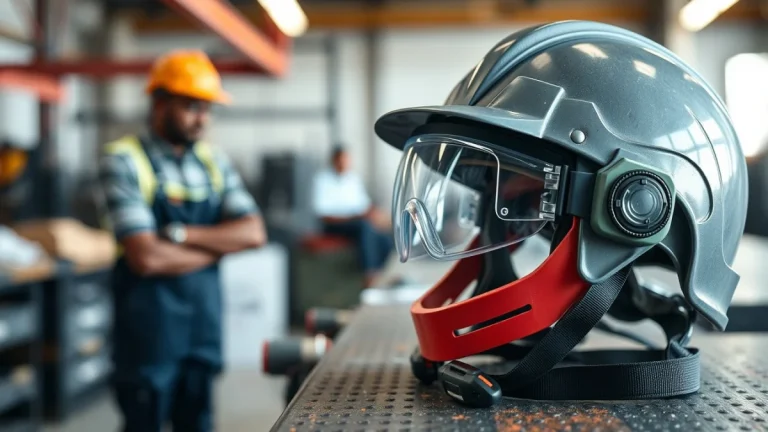
- Always wear the right PPE. Even if you think the task is quick, gloves and eye protection matter.
- Learn your machine. Before operating, ask about all safety features and emergency stops.
- Never disable guards. If a guard slows you or causes jamming, report it to maintenance – don’t remove it yourself.
- Follow the procedures. Use checklists or written instructions every time to avoid missing steps.
- Speak up. If a machine is unsafe or behaving strangely, alert your supervisor immediately.
FAQs About Machine Safety in Manufacturing
What exactly are machine guards?
Why do some workers remove guards?
Can I operate machinery without formal training?
What should I do if I notice a guard is broken?
Wrapping It Up
Machine safety isn’t just about rules—it’s about protecting yourself and your colleagues from harm on a very real level. South African workplaces carry the responsibility to ensure machines are guarded and used safely every day. Knowing the parts of machine safety and sticking to procedures helps avoid accidents and keeps production running smoothly.
If you’re new to manufacturing or want to strengthen your know-how, a free manufacturing safety course with certificate in South Africa can give you the basics and confidence to work safely around machines.