How to Get a Catering Assistant Job With No Experience
Starting a career in catering can feel like a puzzle if you’ve never worked in a kitchen before. But getting your foot in the door as a catering assistant is more straightforward than you might think. A free catering assistant course with certificate in South Africa is a practical way to prove your skills and learn what employers really want, even if you have zero experience.

Many beginners worry: “Do I need prior kitchen experience or special skills?” The truth is, workplaces expect you to start basic and learn on the job, but also want you to understand simple food safety, hygiene, and teamwork. South African kitchens bustle quickly and mistakes can cost money or cause safety hazards, so having a foundational course and certificate can boost your confidence and your CV.
What a Catering Assistant Actually Does
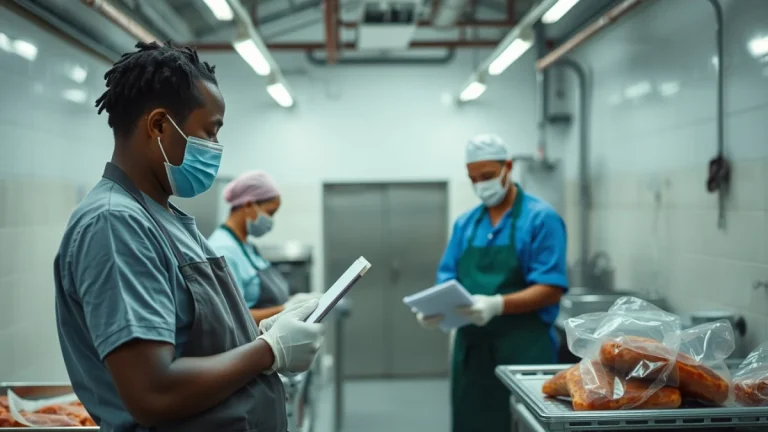
Think of a catering assistant as the backbone of a busy kitchen or event setup. Your role covers numerous hands-on tasks like preparing ingredients, cleaning utensils, storing deliveries correctly, and helping with plating and serving. The work pace can be fast and sometimes messy, especially when orders pile up during lunch rushes or special events.
A common real-life moment: you might be juggling chopping vegetables, checking a food delivery for freshness, and helping out the server all within minutes. Missing small details — like not washing your hands properly or mixing raw and cooked food tools — can easily lead to contamination problems, which emphasises why a free beginner catering assistant course in South Africa will sharpen your awareness before you step into a kitchen.
Key Skills Every Catering Assistant Needs
- Food safety and hygiene – knowing how to avoid contamination, wash hands properly, and keep work surfaces clean.
- Teamwork – coordinating with chefs, servers, and suppliers without fuss.
- Attention to detail – checking deliveries carefully, following portion sizes, and maintaining neat plating.
- Physical stamina – the job often means standing, bending, and lifting for hours.
- Communication skills – staying clear and calm when things get busy.
An often overlooked skill is the ability to recognise workplace hazards quickly, like slippery floors or faulty equipment, and act on them before accidents happen.
How to Get Qualified: The Learning Path for Beginners
You don’t need a formal qualification to start working as a catering assistant. Many employers hire beginners and train them on site. However, a free catering assistant certificate course free South Africa adds real value to your application. It shows you have foundation knowledge in food safety, kitchen cleanliness, and serving basics.
Online training options let you study at your own pace, which fits well around current jobs or school. Taking a free workplace catering assistant course South Africa helps you avoid common beginner mistakes like misunderstanding FIFO stock rotation or ignoring basic kitchen safety rules, which can slow you down or cause conflicts.
For example, a mistake many new assistants make is mixing raw and cooked food without cleaning properly—this can lead to serious contamination. Learning these points before you start saves you from costly slip-ups.
Industries Hiring Catering Assistants in South Africa
Catering assistants are needed wherever food is made and served. This includes:
- Event companies and banquet halls
- Schools and universities (meal services)
- Hospitals and care homes
- Restaurants and fast food chains
- Hotels and guest lodges
- Corporate cafeterias
- Outdoor catering and food trucks
The South African catering sector is diverse, which means job opportunities can arise in urban and rural areas. Some workplaces expect assistants to also help set tables or wash up, so flexibility matters.
What Career Progression Looks Like
Starting as a catering assistant puts you on the ground floor of exciting paths:
- Moving up to kitchen hand or food prep specialist
- Learning chef assistant or chef-specific skills
- Training in food safety supervision or kitchen management
- Transitioning to front-of-house roles like catering coordinator
- Starting your own catering or food delivery service
Showing commitment by completing a free beginner catering assistant course with certificate in South Africa demonstrates you’re serious about growth. Employers value assistants who show initiative and safe work habits.
What to Expect Salary-Wise
Entry-level catering assistants in South Africa usually earn around the minimum wage level, roughly between R4 000 and R6 000 per month, depending on location and employer. Some larger companies or hotels may pay more. Overtime and event work can increase earnings.
With experience and added skills, wages can grow. Supervisory roles or specialised food handling can command higher pay.
Future Opportunities and Trends
The growing demand for safe, high-quality food service means catering assistants who keep up with hygiene standards and customer service skills will have steady work. Sustainability is also becoming key—knowledge of waste reduction and recycling in catering can set you apart.
Online courses now make skills accessible across South Africa. Using free online catering assistant training South Africa tools lets you learn from home before you get hired, which is a practical edge beginners lack.
Tips for Beginners Landing Their First Catering Job
- Take a free beginner catering assistant course online South Africa first. This builds your basic skills and confidence.
- Prepare a simple CV that highlights willingness to learn, punctuality, and any kitchen or customer service experience.
- Be ready to start with hands-on tasks like cleaning and food prep. Show you can follow instructions carefully.
- Ask questions and listen closely to avoid common mistakes, such as failing to check temperatures or mixing raw/cooked foods.
- Wear appropriate clothing and always maintain hygiene—presentation matters at every level of kitchen work.
- Be patient—kitchens move fast, but experience builds quickly if you stay focused.