How Catering Assistants Support Events and Functions
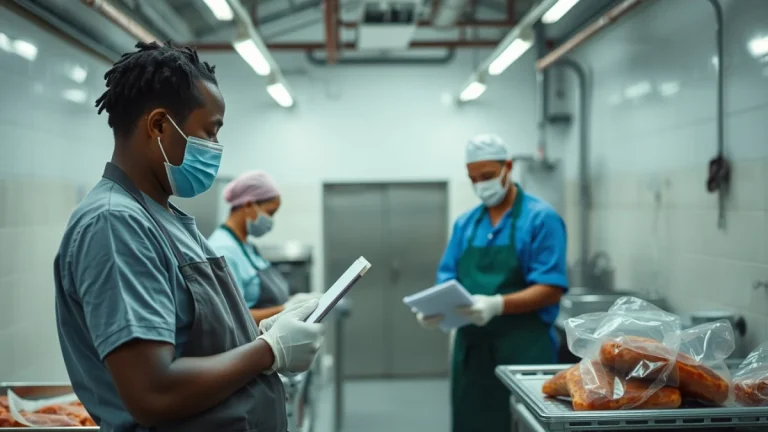
If you’ve ever wondered what keeps a big event’s food service running smoothly, catering assistants play a key role behind the scenes. A Free Catering Assistant Course with Certificate in South Africa is a great way to learn about this hands-on, fast-paced job. Catering assistants help prepare, serve, and clean up food at events—making sure guests enjoy fresh, safe meals on time.
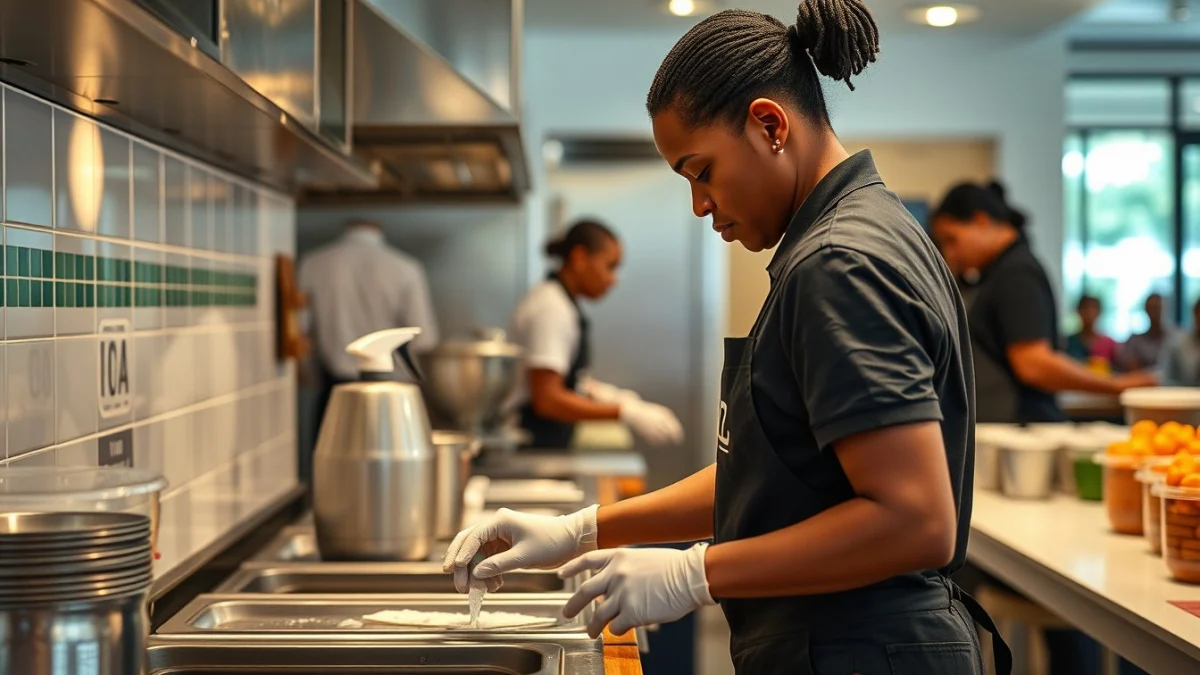
Many beginners worry they won’t keep up with the hectic pace or meet hygiene standards in real workplaces. In South African venues, catering can jump from quiet prep time to busy service disasters within minutes. Understanding the practical side early on helps learners avoid common mistakes that cause delays or unsafe food handling.
What Catering Assistants Actually Do at Events
In simple terms, catering assistants support chefs, servers, and managers by handling the essential jobs that keep food flowing. Their work includes setup, food prep basics, serving, and cleaning, but each task has its own pressures. For example, a catering assistant may have to plate hundreds of meals within tight time windows while following strict hygiene protocols.
A straightforward way to see their impact is this: if a catering assistant forgets to follow the First In First Out (FIFO) food storage rule or mixes raw and cooked foods, it risks contamination that can ruin an entire event.
Key Responsibilities
- Assisting with food preparation like washing vegetables, portioning, and arranging plates.
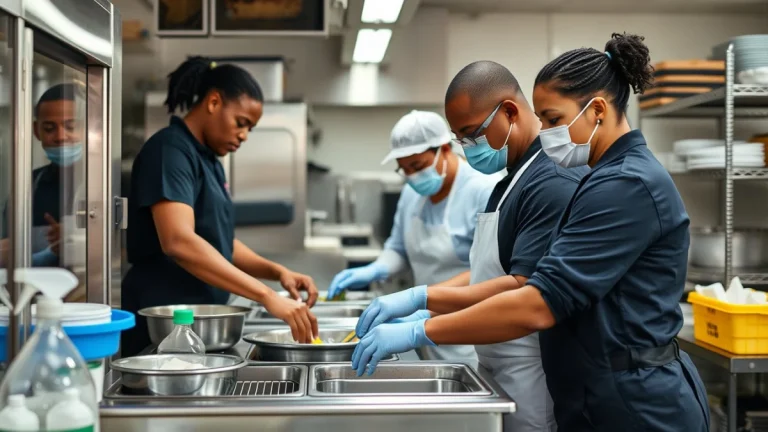
- Keeping the kitchen clean – wiping surfaces, washing utensils, and safely storing equipment.
- Checking deliveries and managing stock to avoid expired or spoiled items.
- Serving food politely and professionally while maintaining food safety standards.
- Disposing of waste correctly and helping reduce food waste by managing portion control.
- Communicating clearly with kitchen and service teams during busy moments.
Why Their Role Matters at Events and Functions
Good catering assistants prevent food safety hazards that could lead to health problems or event interruptions. They create a smooth flow between kitchen and dining areas, reducing stress for chefs and waiters. In South Africa, where events vary from small family functions to large corporate gatherings, adaptability is vital.
One overlooked point: the catering assistant’s role is often the first line of defence against food contamination and service delays. If errors happen here, chefs waste time correcting work or dealing with complaints instead of focusing on cooking.
Beginners often think serving food is just a simple task, but during events it involves quick coordination, attention to hygiene, and patience with guests—all skills learned through practice and proper training.
A Typical Catering Assistant Scenario at a South African Event
Picture this: An outside caterer is setting up for a wedding. The catering assistant has to unpack and check deliveries under time pressure, following the FIFO system to ensure the oldest stock is used first. They help chop vegetables, arrange salads on platters, and monitor cooking stations for spills or hazards.
When guests arrive, the assistant helps plate and serve meals, responding quickly when an unexpected allergy inquiry arises or a guest asks for a dietary option. They also clear tables and separate recyclables from food waste, making sure the venue stays clean and safe all evening.
Without this support, chefs and wait staff struggle to keep up with demands, which can cause slow service, unhappy guests, or even food safety problems.
Common Misunderstandings About Catering Assistants
- They don’t just wash dishes: The role is much broader and includes food prep, stock control, and hygiene maintenance.
- Food safety isn’t only the kitchen’s concern: Catering assistants help prevent contamination every step of the way.
- Fast doesn’t mean careless: Speed is essential, but so is attention to proper procedures.
- Serving food is more than “passing plates”: It also means managing hygiene and guest interactions thoughtfully.
Beginner Tips for Catering Assistants at Events
- Learn and follow food safety rules carefully, especially cross-contamination prevention.
- Ask questions early—about menu items, allergies, or equipment use—to avoid last-minute issues.
- Stay calm during busy times. Good communication with your team helps avoid mistakes and stress.
- Practice portion control—it saves money and reduces food waste.
- Know your workplace’s cleaning routines and follow them—cleanliness is key to safety and reputation.