What Food Production Assistant Duties Really Involve
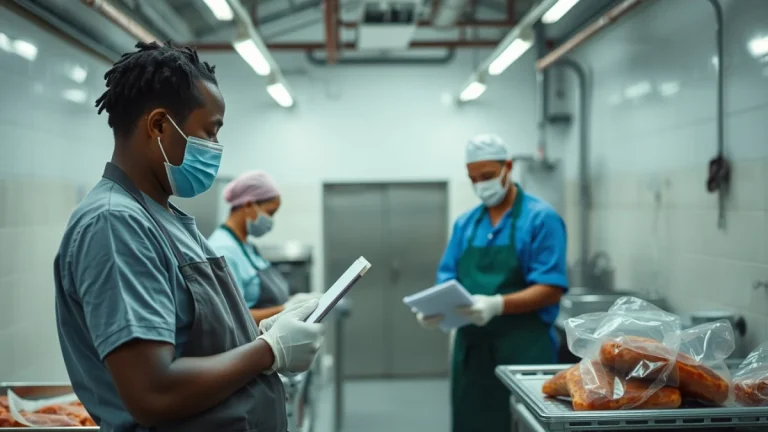
If you’re looking for a free Food Production Assistant course with certificate in South Africa, it’s important to first understand what this role truly means day to day. A food production assistant plays a vital support role in kitchens, food factories, or catering setups. Their responsibilities centre on helping prepare, handle, and ensure food safety under supervision.
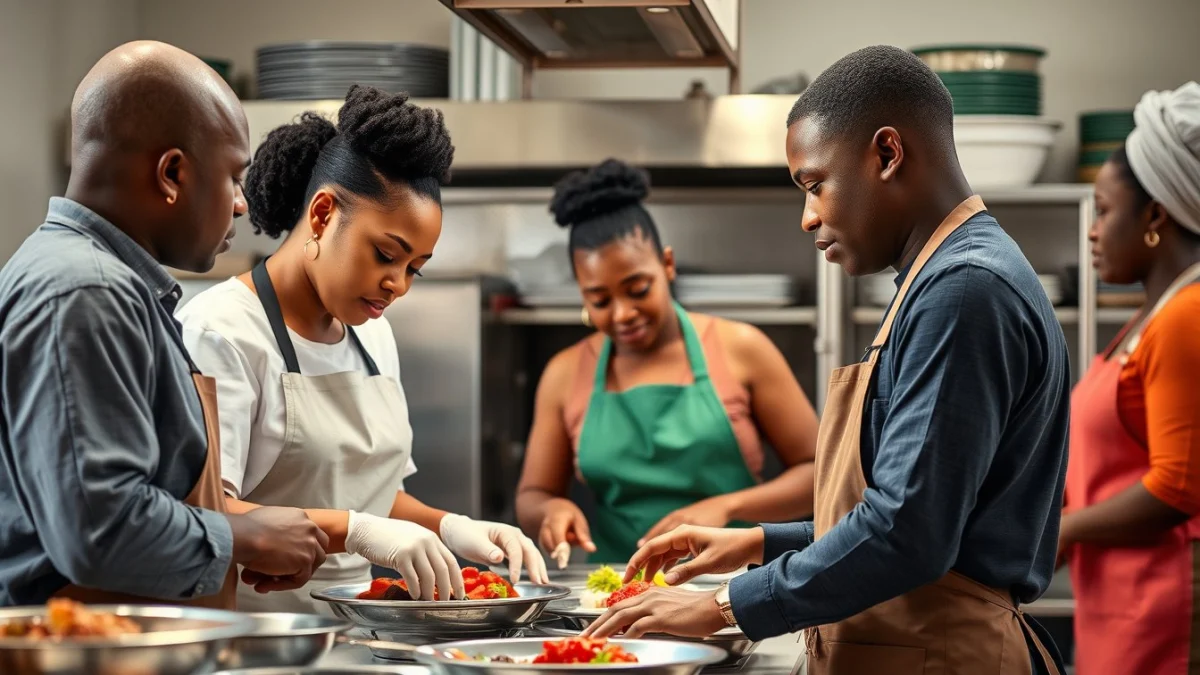
For beginners, the biggest challenge is often understanding how much attention to detail and safety the job demands. It’s not just about chopping or packing food— it’s about timing, hygiene, and teamwork in a fast-moving environment. For example, a rushed food assistant might forget to label ingredients or skip temperature checks, risking food spoilage or contamination. This kind of mistake can cause serious workplace problems or even health risks.
Food Production Assistant Duties: What to Know First
In practical terms, the core duties of a food production assistant include:
- Helping with basic food preparation tasks like measuring, portioning, and simple cutting.
- Following strict food safety and hygiene rules to prevent contamination.
- Handling and storing raw and cooked foods safely, including managing temperatures and labelling.
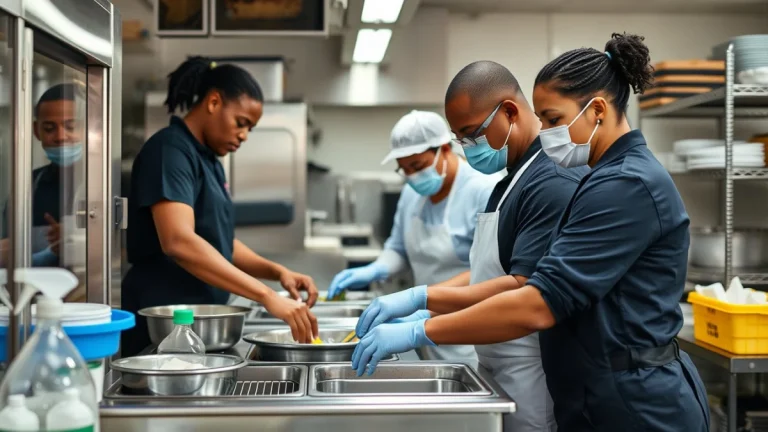
- Cleaning and sanitising tools, equipment, and work areas regularly.
- Reporting any quality or safety issues up the chain promptly.
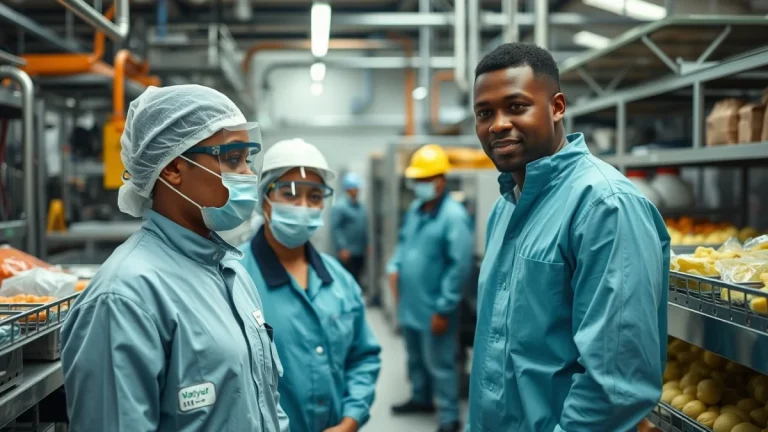
- Wearing personal protective equipment (PPE) and following safety guidelines.
- Record keeping for cleaning, temperature logs, and food safety checks.
These duties might sound straightforward, but they form the backbone of smooth food production and safety compliance in real workplaces across South Africa.
Why These Duties Matter in a South African Workplace
South African food production sites range from small catering companies to large food factories. Many face pressure to maintain hygiene standards despite limited resources or high volumes. For a food production assistant, this reality means being vigilant every minute — from washing hands correctly to spotting signs of food spoilage and preventing cross-contamination.
Being reliable in these duties lowers the risk of foodborne illness outbreaks, costly waste, and lost work hours. It also helps the workplace maintain trust and meet inspection standards without unnecessary delays. However, many newcomers underestimate the pace and attention needed, expecting it to be a straightforward kitchen helper role.
Common Misunderstandings and Overlooked Details
One major misconception is that food production assistants only do ‘simple kitchen work.’ In fact, the role requires a clear understanding of processes to avoid mistakes like mixing raw and cooked food or improper storage.
Another overlooked insight is the crucial role of documentation. Many beginners don’t realise that proper record keeping—such as logging cleaning times or fridge temperatures—is part of the job. These records protect the business during audits and help track any issues early.
Failing to follow these duties can lead to real consequences like contaminated food batches, equipment breakdowns, or even workplace accidents. That’s why even basic training helps build confidence and accuracy, turning mistakes into safe habits.
A Day in the Life: Practical Examples of Duties at Work
Imagine starting your shift in a local bakery’s production kitchen. Your first task is checking all ingredients are correctly labelled and stored at the right temperatures. Next, you assist with portioning dough to standard sizes, carefully measuring each batch.
Halfway through, you clean and sanitise your workstation and tools as per the schedule. You notice a temperature log wasn’t signed off and promptly report it to your supervisor. Later, you wear your gloves and apron while moving batches from the prep area to the oven, keeping raw and cooked items separate.
Through this, you’re not just ‘helping out’—you’re ensuring the bakery produces quality bread safely and efficiently. Every duty is connected and important.
Beginner Advice: What to Focus On First
- Learn proper handwashing and hygiene practices deeply — this is the foundation.
- Always label and date food items. Avoid assumptions about freshness.
- Ask questions about equipment and cleaning schedules before you start.
- Keep an eye out for hazards like spills or broken tools — speak up quickly if you notice anything unsafe.
- Practice measuring and portioning carefully — small errors here build bad habits.
- Don’t rush. Remember, speed comes with confidence and knowledge.
- Use PPE consistently—it’s for your protection as well as food safety.