Do You Need Qualifications to Become a Restaurant Assistant?
If you’re wondering whether you need qualifications to work as a restaurant assistant in South Africa, the quick answer is no formal qualifications are legally required. However, having a recognised certificate course, like a free restaurant assistant course with certificate in South Africa, can make a real practical difference. It builds workplace confidence, shows employers you understand food safety and customer service basics, and can help you stand out in a busy job market.

Many beginners jump straight into restaurant work without formal training, often overwhelmed by the fast pace and strict hygiene standards. For example, missing simple steps like cleaning tables correctly or handling hot plates safely can lead to mistakes or injury. A certificate course guides you through these everyday tasks step-by-step, making it easier to learn on the job and impress your manager.
What Does “Qualification” Mean for a Restaurant Assistant in Practice?
Being “qualified” is less about diplomas and more about proven skills on the restaurant floor. It means: you know what your duties are, understand food safety rules, can serve customers politely, and work safely with kitchen tools and equipment. Most restaurants train new assistants on-site, but this varies widely from place to place.
Qualifications like a certificate course show that you’ve done organised training, including some theory and a quiz or assessment. This is especially useful if you’re new to hospitality or aiming for better job offers. A course also helps you understand the real responsibilities behind seemingly simple tasks, like how temperature control for foods prevents food poisoning or why first impressions at the table count.
Why Does This Matter on the Job?
Restaurant environments are fast-moving and have strict rules around hygiene and customer interaction. Without some learning—even informal—new assistants often risk errors like:
- Cross-contaminating food due to poor hygiene or storage habits
- Serving orders incorrectly or forgetting customer preferences
- Being unaware of safety hazards like wet floors or hot surfaces
- Struggling with workflow timing, making tasks slower or causing delays
These mistakes can lead to unhappy customers, wasted food, or accidents that could be avoided by demonstrating basic skills learned in training.
The Core Responsibilities Covered by Restaurant Assistant Training
A good free restaurant assistant skills course free South Africa covers practical duties including:
- Understanding your daily roles from greeting customers to clearing tables
- Learning professional conduct and communication, focusing on friendliness and teamwork
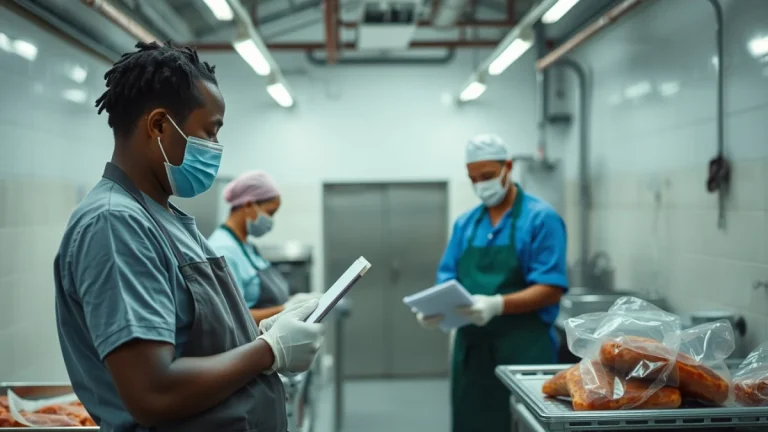
- Food safety basics—personal hygiene, avoiding cross-contamination, and food storage rules
- Safe handling of food and beverages to avoid spills and injuries
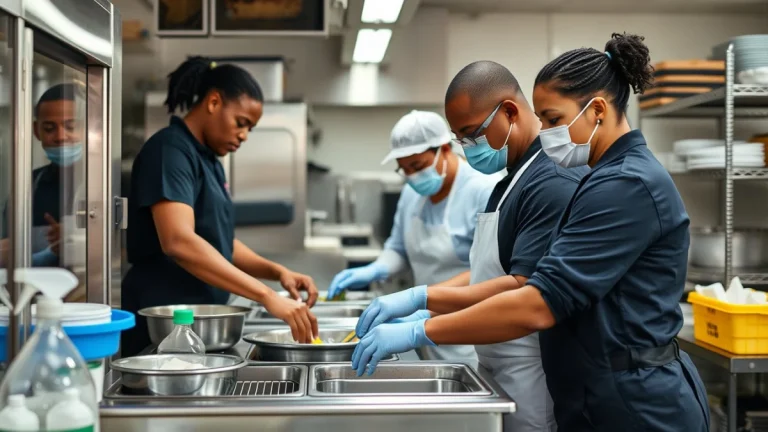
- Cleaning standards for dining and kitchen prep areas
- Time management during busy shifts to keep service smooth
- Handling customer requests and complaints calmly
These topics might seem straightforward but mastering them fast will reduce on-the-job stress and improve your reputation with managers. For example, knowing the correct way to set a table or how to handle customer complaints politely often separates good helpers from the great ones.
What a Day as a Restaurant Assistant Really Looks Like
Imagine you start a busy lunch shift. Your first tasks are setting up tables exactly to restaurant standards, making sure cutlery and glassware are spotless. Then customers arrive, and you greet them warmly. As orders come in, you assist wait staff by delivering correct dishes and clearing finished plates without interrupting the flow. Keeping an eye on hygiene rules, you wash hands regularly, and sanitize surfaces between customers.
Behind the scenes, you handle food storage duties—checking fridge temperatures, rotating stock to avoid waste (FIFO method), and safely disposing of spoiled items. You also stay alert to hazards—a spill on the floor or a badly stacked equipment shelf—and follow emergency protocols if needed.
After the rush, you help reset the dining area quickly and neatly. This mix of tasks requires you to manage time carefully, communicate with kitchen and wait staff continuously, and stay customer-focused. Training courses prepare you for these moments so you’re not guessing or stressed.
Common Misunderstandings New Restaurant Assistants Have
- “Anyone can do this job without training.” While it’s true you don’t need formal paperwork, learning how to do tasks properly saves you from repeated mistakes and can prevent safety issues.
- “Food safety is just for chefs.” Assistants handle food and must understand hygiene rules equally to keep customers safe.
- “Customer service is only for waiters.” Restaurant assistants interact with guests frequently, and good manners and communication help your entire team shine.
- “It’s not a skilled job, so no point in training.” Training sharpens your skills, improves your confidence, and prepares you for possible promotion or further hospitality training.
Missing these points can lead to early burnout or frustration if you feel unprepared for your role.
Advice for Beginners Starting Without Qualifications
- Choose free online restaurant assistant courses with certificates in South Africa. This builds your understanding before or while you work.
- Practice key hygiene and customer service skills regularly. Even small habits like constantly washing hands or maintaining eye contact make a big impact.
- Ask questions when unsure about tasks or safety procedures at your workplace.
- Watch experienced colleagues and learn their tips on managing busy periods and multitasking.
- Take notes or use simple checklists to track procedures like cleaning routines or food storage methods.