Common Manufacturing Hazards and How to Prevent Them
If you work in South African manufacturing, knowing the common hazards is not just useful—it’s lifesaving. This article explains what typical manufacturing risks look like and how to tackle them practically. Whether you’re new or just brushing up, learning these basics helps you keep yourself and your coworkers safe. And yes, if you want a free manufacturing safety course with certificate in South Africa, that hands-on learning is just a click away.
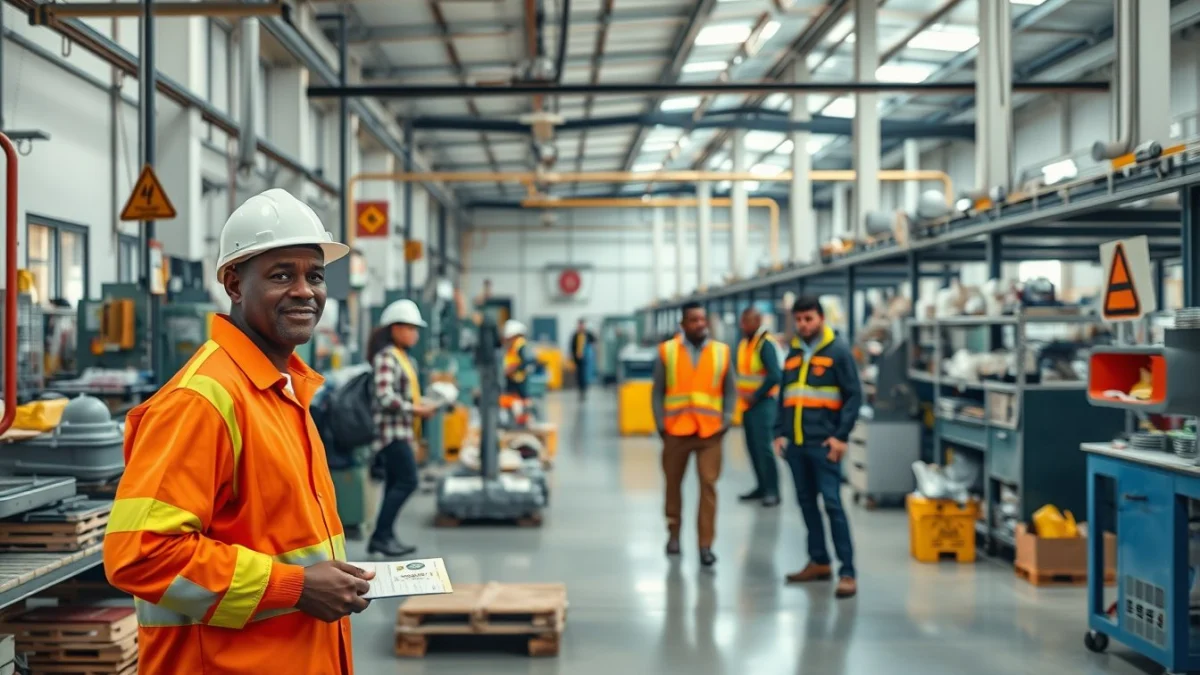
Starting out, many workers don’t realise how small mistakes—like ignoring simple personal protective equipment (PPE) rules or rushing machine checks—can cause serious accidents. South African factories often run under tight schedules, making it tempting to skip safety steps. That’s why understanding the specific hazards and prevention tactics matters most.
What to Know First About Manufacturing Hazards
Manufacturing hazards are risks in the workplace that can cause injury, illness, or even death. These range from physical dangers like heavy machinery and chemicals, to environmental factors such as dust and noise. Preventing these hazards needs clear safety rules, proper equipment, and alert workers.
In South African factories, common hazards include:
- Moving machinery parts
- Slips, trips, and falls on wet or cluttered floors
- Exposure to harmful chemicals or dust
- Improper lifting or handling of heavy materials
- Electrical risks
- Fire and explosion due to poor storage or handling of flammable materials
Knowing these well helps you focus on the right precautions without feeling overwhelmed by safety jargon.
Why Manufacturing Safety Matters Every Day at Work
Imagine you’re on a pressured shift, needing to finish tasks fast. You might skip putting on gloves or leave tools lying around. These little shortcuts can cause hand injuries or slip accidents instantly. In South African manufacturing workplaces, missing a safety step can mean downtime from accidents or even legal trouble for employers.
A practical insight most beginners miss: hazards don’t always come from big dangers but often from overlooked details like worn-out PPE or ignoring small leaks. Regular checks, even if brief, can prevent many injuries.
Five Major Manufacturing Hazards and How to Prevent Them
1. Machinery Hazards
Machines with moving parts cause many injuries, from cuts to crushing. Guards and emergency stop buttons are designed to protect workers but often get bypassed in a rush.
- Prevention: Always use machine guards and follow safe operating procedures.
- Never remove or malfunction a safety device to speed up work.
- Report faulty equipment immediately.
2. Slips, Trips, and Falls
Spilled liquids, loose wires, and uneven floors cause frequent falls. These accidents can lead to broken bones or sprains affecting long-term work ability.
- Prevention: Keep floors clean and dry, mark wet areas clearly, and manage cables safely.
- Wear slip-resistant footwear designed for manufacturing plants.
3. Chemical Exposure
Manufacturing often involves hazardous chemicals and dust. Without proper PPE and ventilation, workers risk breathing problems or skin damage.
- Prevention: Use appropriate gloves, masks, and protective clothing.
- Work in areas with good ventilation and follow chemical handling guidelines.
- Undergo regular health checks if exposed frequently.
4. Manual Handling Injuries
Wrong lifting techniques cause back injuries and muscle strains, common in factory workers moving heavy items.
- Prevention: Learn proper lifting techniques—keep your back straight, lift with your legs, and avoid twisting.
- Use mechanical tools like forklifts or trolleys when possible.
5. Fire and Electrical Hazards
Faulty wiring or poor chemical storage can lead to fires or electric shocks. These risks escalate if emergency procedures aren’t clear or practiced.
- Prevention: Ensure all electrical equipment is regularly inspected.
- Store flammables according to rules, and train workers on fire response.
What Beginners Often Get Wrong About Manufacturing Safety
Many new workers think PPE alone is enough. The hidden mistake: ignoring workplace culture or communication. Safety isn’t just gear; it’s about reporting hazards, listening to training, and helping coworkers follow rules. Often, beginners feel unsure about speaking up when they see risks, especially if supervisors seem too busy or strict.
Ignoring this can lead to silent risks growing bigger, causing accidents that could’ve been avoided with early warning.
Manufacturing Safety: A Day on the Floor
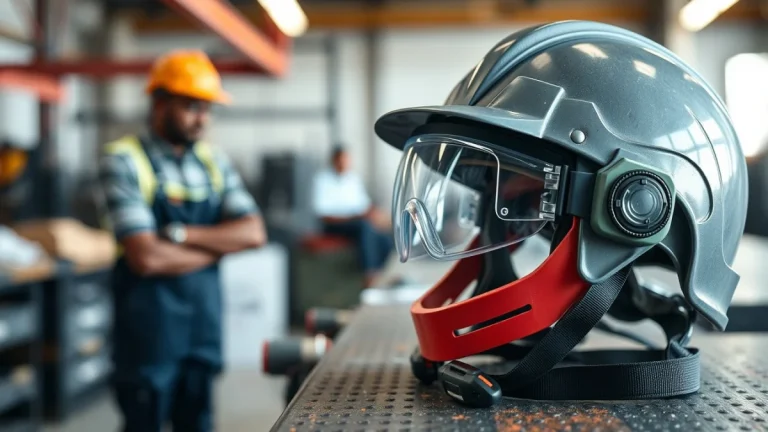
Picture a typical morning: a worker arrives to find a minor oil spill near a machine. If the spill isn’t cleaned or reported, someone else might slip later. Meanwhile, the worker must put on the right gloves and helmet before starting. Skipping these may save seconds but risks hand injury or head trauma. This shows how small daily choices in manufacturing safety add up.
South African factories can be noisy and fast-paced, making it easy to forget steps. But those who build safety habits early avoid injuries and help their whole team stay productive and healthy.
How to Stay Safe as You Learn Manufacturing Safety
- Start with free beginner manufacturing safety courses online in South Africa to get familiar with risks and rules.
- Practice what you learn right away—try hazard spotting during your shift.
- Ask questions if you’re unsure about PPE or machine use; no question is too small.
- Don’t ignore safety talks or papers—these often contain useful tips tailored to your workplace.
Common Questions About Manufacturing Safety
What is the biggest risk in manufacturing workplaces?
How can I protect myself from chemical hazards at work?
Is it enough to wear PPE for safety?
Can I learn manufacturing safety online for free in South Africa?
Want to Learn More? Take a Free Manufacturing Safety Course with Certificate in South Africa
Getting confident with manufacturing safety means more than reading—it’s about practical, clear knowledge you can apply immediately. To build your skills, consider this free manufacturing safety certification course South Africa offers online. It covers everything from PPE to emergency response easy to understand and practice. Gain your certificate and make your workplace safer for you and your team.
Start your free manufacturing safety skills training South Africa trusts here: Manufacturing Safety Course with Certificate.