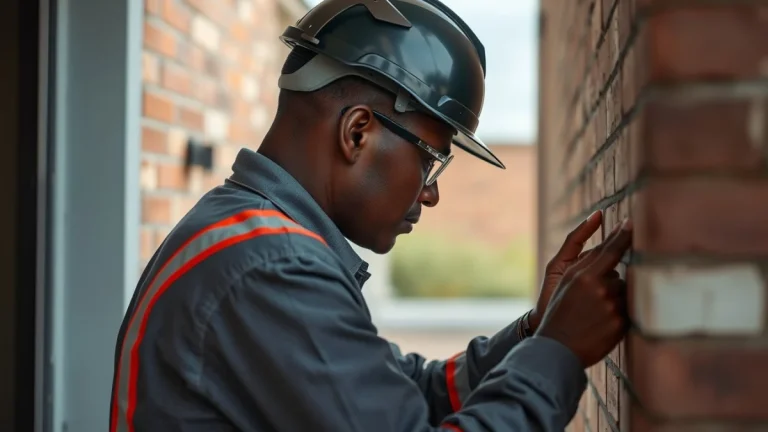
Why Safety Management Is Critical in Construction Projects
If you’re looking for a free Construction Safety Officer course with certificate in South Africa, understanding why safety management is crucial on construction sites is the best place to start. Safety management means setting up, following, and continuously improving safety rules to protect workers and meet South African legal requirements. It’s much more than ticking boxes—it’s about preventing accidents before they happen and managing risks realistically.

Many beginners dive into safety courses confused about how theory transfers into the everyday chaos of a busy construction site. For example, it’s common to see rushed toolbox talks or incomplete safety checks because of tight deadlines and resource crunches. This is exactly why learning proper construction safety officer skills training that balances law, real hazards, and communication is so valuable. It makes safety practical, not just paperwork.
What You Need to Know First About Construction Safety Management
At its core, construction safety management means actively monitoring hazards, enforcing the use of personal protective equipment (PPE), and ensuring everyone on site follows safety protocols. A safety officer’s job is to identify risks before they cause harm, plan responses, and maintain clear communication between teams.
Without solid safety management:
- Workers can face serious, sometimes fatal injuries.
- Projects risk costly delays from accidents.
- Employers can face legal penalties under South African safety laws.
Getting this right involves understanding South African safety regulations and applying them with street-level awareness. It’s more than theory—it requires observing how people really work, spotting overlooked hazards, and fixing unsafe behaviours before they snowball.
What Does Safety Management Look Like On a Construction Site?
Imagine the first day of a new building project in Gauteng. The safety officer starts by running a site induction—briefing all workers on hazards specific to the site, emergency evacuation routes, and PPE requirements. Throughout the day, the officer inspects scaffolding, checks for cluttered walkways, and confirms that cranes are being operated safely.
But safety management isn’t just about spotting broken equipment. It includes:
– Conducting risk assessments to prioritise dangers based on potential harm.
– Performing regular safety audits using checklists tailored for South African standards.
– Communicating clearly with diverse teams, many of whom may speak different home languages.
– Investigating incidents thoroughly to prevent reoccurrence.
– Encouraging workers to report hazards without fear.
This practical, hands-on approach is often underestimated by newcomers who expect safety to be mainly about paperwork. In reality, a safety officer is constantly moving, observing, and problem-solving to keep the site compliant and workers safe.
Common Mistakes and Misunderstandings in Construction Safety
Beginners often think safety management is only about enforcing rules and wearing PPE. But the biggest misconception is ignoring the human factor—workers under pressure may take shortcuts or ignore PPE if they don’t understand the risks or feel rushed.
Another overlooked aspect is the value of regular, clear communication to build a safety culture—something many new safety officers wait to implement. If the team doesn’t trust or understand the safety officer, reports and cooperation drop dramatically.
Lastly, some think once hazards are identified, the job is done. Real safety management means following up on corrections, updating risk assessments as work changes, and keeping training ongoing—not just a one-time event.
Practical Benefits of Strong Safety Management
Effective safety management cuts injury rates and related costs dramatically. For example, a site with good safety planning and active monitoring can avoid delays from accidents, expensive medical claims, or even shutdown orders by inspectors.
In South Africa, where legal compliance is taken seriously by regulators, well-managed safety reduces the risk of heavy fines or legal action under the Occupational Health and Safety Act (OHSA). Beyond compliance, it improves worker morale and shows a company’s commitment to its team—a key factor in maintaining productivity.
For safety officers, mastering these skills creates clear career advantages. Knowing how to blend South African safety law with practical workplace application opens doors across the construction industry.
Helpful Tips for Beginners Starting in Construction Safety Management
- Learn the local laws first. Familiarise yourself with South African safety regulations and standards early.
- Practice risk assessments regularly. Try to spot hazards as if you were the worker exposed to the danger.
- Communicate simply and clearly. Use visuals and straightforward language to engage all workers.
- Stay visible on site. Being present builds trust and helps spot unsafe behaviours before accidents happen.
- Keep a checklist. Use or create practical audit tools tailored to each site’s condition.
- Follow up. Ensure safety issues are resolved and documented—don’t leave hazards unresolved.
What Happens Without Good Safety Management?
Sites that neglect safety management often experience frequent injuries, costly downtime, and a toxic work environment. The grim reality is that accidents can halt entire projects, forcing expensive legal and medical interventions. For safety officers, ignoring the complexity of daily hazards leads to frustration, overload, and sometimes burnout.
One common scenario is when a rushed supervisor skips site induction. Workers enter the site unaware of new risks, quickly increasing chances of accidents. Without a dedicated safety officer enforcing procedures, inconsistencies multiply, and minor hazards transform into major incidents.