Top Construction Companies Hiring Quality Control Inspectors in South Africa
If you’re looking to start or grow a career in construction quality control, knowing which companies actively hire quality control inspectors is essential. This article focuses on top construction companies in South Africa that regularly seek skilled professionals in this role. You’ll also get a practical view of what the job demands, common beginner pitfalls, and what makes quality control work in construction sites rewarding—and challenging.

Many South African learners worry whether free courses like the Free Construction Quality Control Inspector Course with Certificate in South Africa can prepare them well enough to enter the workplace. The truth is, beyond theory, site reality is fast-paced and detail-heavy. Missing a small defect during inspection can cause costly rework or even safety risks. Knowing which employers value your skills helps you aim your training and applications smarter.
Where Construction Quality Control Inspectors Get Hired
South Africa’s largest construction firms, especially those working on infrastructure, commercial buildings, and residential developments, often seek quality control inspectors. Some of the top companies worth watching are:
- WBHO Construction – Known for major public and private projects, they look for inspectors who can keep quality standards tight across multiple sites.
- Group Five – Though smaller now, they maintain a solid presence on industrial and civil construction, requiring inspectors familiar with strict material testing.
- Raubex – Specialising in roadworks and infrastructure, inspectors here need to be strong on site measurements and material specifications.
- Aveng – Handling engineering and construction projects that demand rigorous quality assurance practices.
- WBHO Civil Engineering – Their work includes large-scale earthworks and concrete inspections needing sharp site oversight skills.
Smaller and medium-sized firms involved in government tenders and private housing developments also regularly recruit for this role. Many of these companies appreciate candidates with construction quality control inspector certificate courses in South Africa, even if earned online with a workplace focus.
What Does a Construction Quality Control Inspector Actually Do?
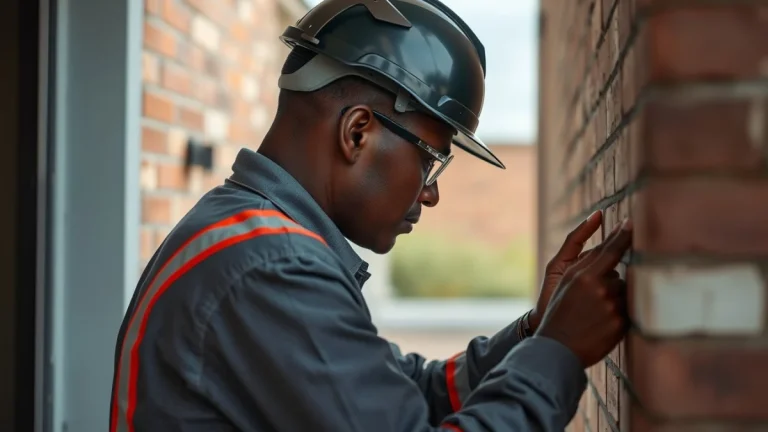
A quality control inspector’s job is to check that construction materials and workmanship meet South African standards and project specs. This means:
- Inspecting building materials like concrete, steel, and masonry to ensure specs are met.
- Checking structural elements during installation—for example, proper welding or rebar placement.
- Reading and interpreting construction drawings to find critical checkpoints before and after work.
- Recording all inspections accurately and reporting any quality lapses immediately.
- Communicating effectively with site managers and workers to fix issues on the spot.
- Following health and safety protocols while moving around busy sites.
One practical insight often missed by beginners is how much time goes into documentation. Good quality control is 50% inspection and 50% record keeping—poor reports hurt your credibility and slow down problem solving.
Why These Roles Matter to Employers
Construction mistakes cost time and money. Poor quality materials and sloppy workmanship cause delays, safety risks, and expensive fixes. Quality control inspectors are the frontline defense, ensuring what’s built today lasts decades. South African companies must comply with standards like SANS and municipal regulations to avoid penalties.
Hiring managers want inspectors who not only understand theory but can apply it on site without delays. That means spotting subtle defects, communicating problems clearly, and keeping inspections moving under pressure.
A Real Workplace Scenario
Imagine you’re inspecting a concrete pour for a new foundation. The site foreman is rushing to finish by week’s end. You spot uneven mixing and cracks forming in early test samples. You raise your concerns, but some workers dismiss it as minor. What you do here matters. If ignored, a foundation failure risks the entire building.
This scenario shows the pressure to stand firm. Beginner inspectors often struggle balancing site relationships and quality standards. The thing most don’t mention is how crucial tactful but clear communication is in winning site cooperation.
Common Misunderstandings About Quality Control Inspectors
- It’s Not Just About Spotting Flaws: Many think inspectors only “find faults.” In reality, they guide the project to meet requirements with minimal disruption.
- Certification Alone Doesn’t Guarantee Job Readiness: Practical skills, like using inspection tools or reading technical drawings, come from hands-on training and practice.
- The Work Is Not Always Glamorous: Inspections happen in all weather conditions and can require long site walks or climbing scaffolding safely.
- Reports Can Make or Break Your Role: Poorly written reports cause confusion and delays—documentation needs to be clear, concise, and timely.
Tips for Beginners Looking to Break Into This Field
- Start with a free beginner construction quality control inspector course with certificate in South Africa to build your foundation and confidence.
- Practice reading real construction drawings and specifications—it helps more than memorizing theory.
- Get familiar with inspection tools like concrete slump cones and steel gauges through videos or workplace practice.
- Develop communication skills. Learn how to explain problems calmly without escalating conflict.
- Prioritize safety. Know PPE requirements and always follow protocols on site.
- Seek entry-level roles or internships with smaller firms to get real site experience.
Frequently Asked Questions
What qualifications do I need to become a construction quality control inspector?
Can I study construction quality control fully online in South Africa?
Do construction companies in South Africa require experience for quality control jobs?
What is the difference between quality control and quality assurance in construction?
Ready to Get Started?
If you want to gain practical skills that employers recognise, try the Free Construction Quality Control Inspector Course with Certificate in South Africa. It’s designed for beginners and includes workplace-relevant training to help you confidently step into inspection roles. Start now to build a foundation for a steady career in one of South Africa’s vital construction fields.