Top Skills Every Construction Quality Control Inspector Needs
If you’re looking for a practical way into construction site management, the Free Construction Quality Control Inspector Course with Certificate in South Africa is a great place to start. This role isn’t just about ticking boxes—it demands real skills to check materials, report problems and keep the build safe and sound. Many beginners expect to just follow checklists, but the day-to-day reality is faster, detailed, and full of small decisions that can make or break a project’s quality.
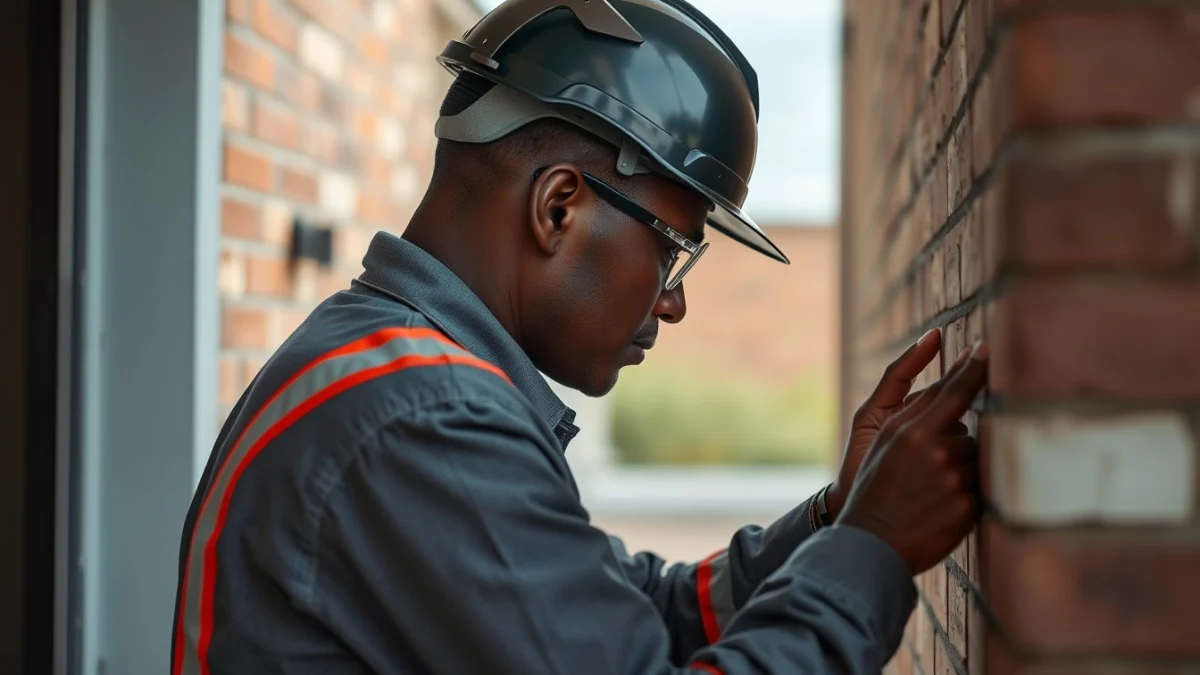
For example, imagine standing on a busy Johannesburg site. You spot a batch of concrete that looks okay but fails to meet specific moisture content standards. If you miss that subtle cue, it could lead to cracks after construction finishes, causing expensive repairs and delays. Knowing what to spot, how to report it clearly, and when to push back is what sets apart a good inspector from a rushed one. This article explains exactly what skills you need, what the work looks like, and how to avoid common beginner traps.
What You Need to Know Before You Start
Being a construction quality control inspector is about sharp observation, clear communication, and technical know-how. South African construction sites follow strict quality standards and safety protocols — inspectors must know these inside out. If you’re new, one confusing part is the difference between quality control and quality assurance. Quality control is your inspection and testing on-site; quality assurance is the overall system making sure control happens correctly.
Also, don’t underestimate the amount of paperwork. Many beginners get overwhelmed with report writing and miss documenting important details. Good inspectors create clear, concise reports that site managers actually use, not just formalities ignored. This skill often gets overlooked but is crucial for smooth project completion.
Key Skills Needed for Construction Quality Control Inspectors
1. Understanding South African Construction Standards
Standards like SANS 1200 and SANS 200 are the backbone of construction quality in South Africa. Inspectors must know relevant specifications for materials and work methods. Without this, it’s impossible to tell if work meets legal and client requirements.
2. Material Testing and Inspection Techniques
Your job is to make sure all materials on site—from concrete to steel, bricks to fittings—match the specs. This means sampling materials, using inspection tools correctly, and sometimes conducting onsite tests like slump tests for concrete.
3. Reading and Interpreting Construction Drawings
Construction drawings and project specifications contain the quality checkpoints you watch for. Being able to read these thoroughly is crucial. Knowing the difference between drawings (which show physical layouts) and specifications (which set quality requirements) helps you focus on what matters and prevent costly mistakes.
4. Reporting Skills and Documentation
Quality reports need to be clear, factual, and fully documented. Using standard checklists and logging observations promptly means you don’t lose any details. Poor reporting can cause delays or confusion about what fix is needed.
5. Communication and Team Coordination
Inspectors often work between contractors, site managers, and clients. Clear communication ensures quality problems get fixed quickly. You’ll need to manage pushback diplomatically when work isn’t up to standard without holding up the entire project.
6. Health and Safety Awareness
Safety on construction sites is non-negotiable. Inspectors must always wear the right personal protective equipment (PPE) and be sharp about spotting hazards. Knowing how to react if a risk appears is part of keeping yourself and the site safe.
What It Looks Like on the Ground: A Workplace Scenario
Picture your first inspection day at a busy Cape Town construction site. Your task is to inspect steel reinforcements before concrete pouring. You start by reviewing drawings and specifications, then move to visual inspection of steel bars, checking size, placement, and weld quality.
During inspection, you find some bars with rust beyond acceptable limits—not a major rust patch, but enough to weaken the structure over time. You document this carefully with photos and notes. Then, you alert the site foreman and discuss the next steps. Thanks to your early catch, they replace affected steel the same day.
Without your trained eye, this rust could cause structural defects later. This example shows how inspection skills translate to real safety and cost-saving outcomes.
Common Beginner Mistakes in Construction Quality Control Inspection
- Rushing Through Checks: Some new inspectors try to get through inspections quickly instead of focusing on detail and accuracy.
- Misunderstanding Specifications: Not reading project specs thoroughly leads to missing important quality requirements.
- Poor Reporting: Writing vague or incomplete reports frustrates site teams and weakens accountability.
- Ignoring Safety Procedures: Skipping PPE or safety protocols puts the inspector and others at risk.
Fixing these mistakes is mostly about slowing down, focusing on training, and asking for clarity when unsure. The free beginner construction quality control inspector course with certificate in South Africa you find at EduCourse covers these aspects well, preparing learners for realistic challenges.
What Employers Expect from New Inspectors
South African construction firms want inspectors who can blend technical knowledge with practical site sense. They look for people who:
- Understand local construction standards and materials.
- Can communicate quality issues clearly and diplomatically.
- Are reliable in health and safety compliance.
- Show an eagerness to learn and take initiative on site.
Experience helps, but many employers will hire entry-level inspectors if they see a solid foundation in skills and attitude. That’s why taking an online construction quality control inspector course South Africa learners trust—and getting that certificate—can open doors.
Tips for Beginners Starting in Quality Control Inspection
- Get Familiar with South African Standards: Spend time studying material specs, testing methods, and construction drawings.
- Practice Your Report Writing: Use templates and checklists to build confidence in documenting inspections.
- Learn by Doing: If possible, shadow experienced inspectors or visit actual site inspections.
- Keep Safety Front of Mind: Always wear PPE and follow safety rules—never skip these.
- Ask Questions: No one expects you to know everything immediately. Clarify doubts quickly.
Frequently Asked Questions
What exactly does a construction quality control inspector do daily?
Is prior experience required to take the free online construction quality control inspector training in South Africa?
How important is report writing in this job role?
Can I study construction quality control inspector courses online for free in South Africa?
Ready to Build Your Skills?
Starting your path as a construction quality control inspector is easier with the right training. The free beginner construction quality control inspector course with certificate in South Africa from EduCourse covers all the key skills you’ll need—from testing materials on site to reporting quality issues clearly. It’s designed to fit around your schedule and help you gain practical skills employers want. Check it out today and take your first step into the construction industry with confidence.