What Construction Quality Control Means in Practice
If you’re looking for a free construction quality control inspector course with certificate in South Africa, the first thing to understand is what construction quality control (QC) actually involves. It’s about making sure building works meet the right standards and don’t fail later due to poor workmanship or substandard materials.

Picture this: a busy building site in Johannesburg. Inspectors check concrete pouring, steel welding, and finishes daily. If something’s off — say, a batch of cement that looks too watery — the QC inspector flags it immediately. Their job is to catch these issues before costs soar or safety risks pop up.
For beginners, it’s common to confuse quality control with simply “checking things.” But QC is more than ticking boxes. It’s understanding standards, testing methods, and how poor quality leads to costly reworks or structural problems down the line. There’s no room for guesswork.
The Role and Purpose of Construction Quality Control
Simply put, construction quality control is the process of monitoring and verifying that all materials, workmanship, and procedures meet project specifications and South African construction quality standards. It helps avoid shortcuts and mistakes while improving safety and durability.
A quality control inspector’s role on site includes:
- Inspecting incoming materials to confirm they meet specs
- Measuring and testing components at different building stages
- Reading and interpreting construction drawings to spot key quality checkpoints
- Recording findings clearly and reporting defects to project teams
- Ensuring safety protocols are observed during inspections
The practical point is that QC inspectors prevent errors that might cause structural failure or legal trouble. They backstop the work by applying consistent checks aligned to South African standards, protecting everyone involved.
What Construction Quality Control Looks Like in a Real Workplace
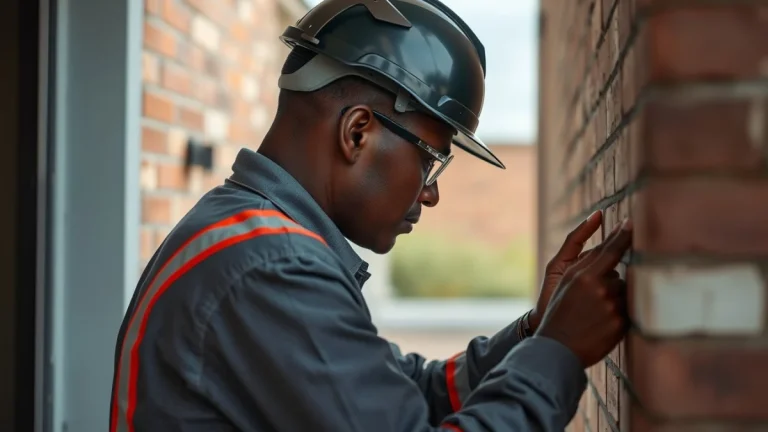
In practice, a QC inspector’s day starts early on site. They inspect delivered materials like bricks or steel, checking certificates and physically testing samples on-site. For example, concrete slump tests measure consistency before pour.
Next, they review construction drawings to verify critical elements, such as the thickness of plastering or welding standards, against what’s actually on site. If welds look weak or materials don’t match specs, they stop work and communicate with site managers.
Documentation is a constant task. Inspectors fill out detailed reports and use checklists to track findings. Keeping records organised means easier audits later. They constantly juggle technical skills with practical site realities — noise, weather, and the pressure to keep construction moving.
A Common Beginner Mistake: Overlooking Standards vs. Checking Visuals Only
New inspectors often assume that just looking at materials or workmanship is enough to declare quality. The hidden mistake is not cross-referencing actual specifications or failing to test materials properly. This can let poor quality slide under the radar.
For example, not testing soil compaction might lead to foundation cracks later. Or ignoring small cracks in concrete because they “look okay” visually can cause long-term structural failures. True QC needs both observation and technical verification.
Key Benefits of Effective Construction Quality Control
- Cost savings: Catching faults early prevents expensive reworks.
- Safety: Ensures buildings are structurally sound and safe for users.
- Compliance: Helps meet South African construction codes and client requirements.
- Worker accountability: Encourages consistent workmanship among contractors.
- Professional growth: Sharpens an inspector’s skills and confidence on site.
What You Need to Learn in Construction Quality Control Training
The free construction quality control inspector certificate course in South Africa covers essential topics like:
- Understanding roles and South African construction standards
- Types of materials and how to test for quality on site
- Tools and techniques for accurate measurements
- Reading construction drawings and identifying quality checkpoints
- Site inspection processes and identifying common defects
- Health and safety protocols for inspectors
- Effective reporting and documentation methods
- Basics of quality assurance and ongoing improvement
- Practical quality checks during concrete, steel, and finishing works
- Preparing for career opportunities and professional growth
Completing this training prepares you for the challenges of real work, including communicating with site teams and spotting hidden issues that could cause delays or failures.
Realistic Challenges Beginners Face in QC Inspections
Some tough but common realities you’ll face include:
- Balancing thoroughness with tight construction schedules
- Dealing with contractors who resist inspections or corrections
- Handling environmental factors that affect testing accuracy
- Learning to interpret complex drawings quickly on site
- Managing safety risks while inspecting hazardous zones
These challenges can be daunting without the right skills and mindset. That’s why a free beginner construction quality control inspector course with certificate in South Africa is valuable — it builds both knowledge and practical habits.
Clearing Up Misunderstandings About Quality Control
- QC isn’t just about looking good: It’s technical and backed by standards.
- QC vs Quality Assurance (QA): QC is the on-site inspection, while QA is the wider management system ensuring quality is built into the process.
- QC is not policing: It’s a team role to improve overall project success.
- Documentation is vital: Without good records, quality issues go unresolved or repeat.
Beginner Tips to Start Strong in Construction Quality Control
- Learn the South African construction standards inside-out.
- Practice reading construction drawings daily.
- Get familiar with common materials and how to test them on site.
- Keep detailed and clear inspection reports—even small notes help.
- Wear your PPE and follow safety rules strictly each day.
- Don’t be afraid to ask questions—site teams expect you to learn.