What Does a Construction Safety Officer Do in South Africa?
If you’re looking for a free Construction Safety Officer Course with Certificate in South Africa, it helps to understand exactly what the job involves. Simply put, a construction safety officer is the person who makes sure construction sites are safe for workers and visitors. They spot risks, set up safety rules, and make sure everyone sticks to them to prevent accidents and injuries.

For many beginners, the challenge lies in knowing how safety actually plays out on a busy construction site. It’s not just about ticking boxes or handing out helmets—it means being alert to fast-changing hazards and handling real pressure when things don’t go as planned. Knowing this upfront can save time and frustration in training and on the job.
The Role of a Construction Safety Officer
A construction safety officer oversees health and safety at construction sites, focusing on preventing accidents and ensuring compliance with South African regulations. The role involves identifying hazards, conducting risk assessments, enforcing PPE use, and managing incident reporting. They’re also key communicators, training workers and keeping safety records.
In short:
- Spot and assess hazards: From the danger of falling objects to electrical risks.
- Enforce safety rules: Making sure workers wear the right PPE and follow safe procedures.
- Manage emergencies: Coordinating evacuations and first aid when needed.
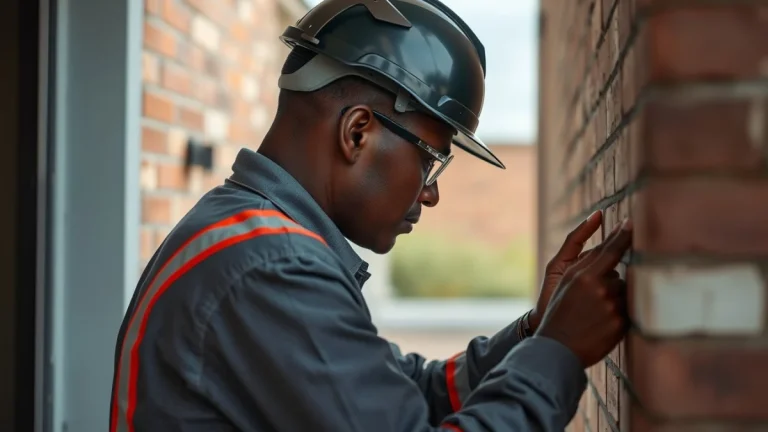
- Inspect the site: Regular safety audits and fixing unsafe conditions.
- Train and communicate: Teaching workers about safety and keeping clear records.
Why Safety Officers Matter on South African Construction Sites
Construction sites in South Africa often face tight deadlines, limited resources, and demanding work environments. A safety officer’s role is critical here, as even a small oversight can cause serious injury or halt a project. Their presence can mean the difference between routine workdays and costly accidents.
One frequent confusion is that safety officers only show up when there’s a problem. In reality, they work behind the scenes constantly, spotting hidden risks like unstable scaffolding or poor electrical wiring before anything happens—something many beginners don’t initially appreciate.
A Day in the Life of a Construction Safety Officer
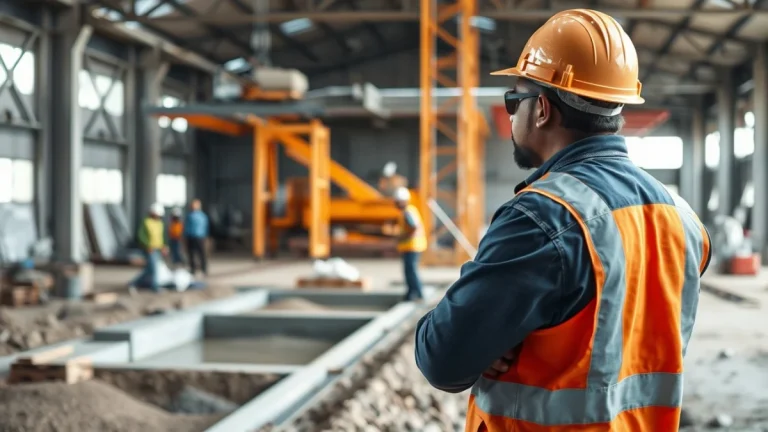
Imagine a morning site walk: the safety officer reviews scaffolds, checks if all workers wear helmets and gloves, and verifies emergency exits are clear. A worker approaches, reporting a loose cable—immediate action is needed. The officer isolates the hazard, updates the hazard log, and informs the project manager.
This shows how practical the role is. It’s hands-on problem-solving, not just paperwork. It often means juggling multiple tasks, sudden safety concerns, and ongoing communication, all while staying calm under pressure.
Common Beginner Mistakes and Misconceptions
- Thinking PPE fixes everything: PPE is vital but not the only safety measure. Ignoring site rules or unsafe behaviour is still risky, even if helmets are worn.
- Overlooking legal details: South African safety laws like the Occupational Health and Safety Act set mandatory standards. Missing these can lead to serious penalties.
- Assuming safety is a one-person job: Successful safety officers build safety culture by involving all workers, not commanding from the sidelines.
- Failing to document properly: Incident and inspection reports are legal records and vital for tracking issues and improvements.
Practical Advice for Aspiring Safety Officers in South Africa
If you’re new to the role or training online, focus on these:
- Learn local safety laws carefully—you’ll need to apply them daily.
- Practice hazard identification on real or simulated sites.
- Develop clear communication skills; keeping workers informed is key to safer sites.
- Don’t underestimate the importance of regular site inspections and follow-up.
- Use technology when possible: checklists, mobile apps, or digital logs can make your job easier.
What Employers Expect from You
Employers want safety officers who can reduce downtime caused by accidents, avoid costly fines, and protect everyone on site. They value practical skills—spotting problems early, handling incidents calmly, and reporting clearly. Certification shows your commitment, but real on-site confidence and judgement carry equal weight.
FAQs About Working as a Construction Safety Officer in South Africa
What qualifications do I need to become a construction safety officer?
Is experience important beyond certification?
What are key challenges faced in this role?
Can I study the Construction Safety Officer course online for free in South Africa?
Get Started with Construction Safety Officer Training
If you want to work confidently to protect people on site or improve safety standards in your workplace, start with a free construction safety officer course with certificate in South Africa. It’s designed to give you practical knowledge you can apply right away—no costs, no hassle.