Why Preventive Maintenance Is Important in Facilities Management
If you’re looking for a clear way to keep buildings and equipment running smoothly, preventing problems before they happen is key. Preventive maintenance means doing regular checks and fixes to stop breakdowns. It’s a smart approach that cuts downtime and avoids expensive surprises. If you want to handle this well, a Free Facilities Maintenance Assistant Course with Certificate in South Africa can take you through how to make preventive maintenance work on the ground.

Many beginners in South African workplaces expect maintenance work to be “fix it when it breaks.” But waiting often leads to bigger repairs, safety risks, and unhappy tenants or staff. It’s common to underestimate how much simple routines save time and money. For example, skipping regular HVAC filter changes or ignoring small leaks in plumbing can escalate into costly failures. Knowing why and how to practise preventive maintenance early on makes a real difference.
What Does Preventive Maintenance Mean in Facilities Management?
Preventive maintenance in facilities management is planned, regular work done to keep equipment, systems, and buildings in good shape. It’s about spotting early signs of wear or faults and fixing them before they turn into problems. This can include simple jobs like lubricating moving parts, cleaning filters, tightening loose screws, and inspecting electrical systems.
The opposite is reactive maintenance — waiting until something breaks before fixing it. While reactive repairs are sometimes necessary, relying on them too much causes unplanned downtime and high costs. Preventive maintenance smooths operations and extends the service life of assets.
Why Preventive Maintenance Matters at Work
- Reduces costly breakdowns: Spotting small problems early prevents big failures that can shut down a building or create hazards.
- Improves safety: Regular checks ensure machines and systems work safely, avoiding accidents and injuries on site.
- Keeps tenants and users happy: Facilities that run well mean fewer complaints and interruptions, boosting satisfaction.
- Complies with South African safety laws: Maintenance checks help meet health and safety standards required by law.
- Extends asset life: Taking care of equipment and buildings protects your investment and pushes replacement dates further out.
Core Parts of Preventive Maintenance You’ll Handle
As a facilities maintenance assistant, here are some key tasks that form preventive maintenance:
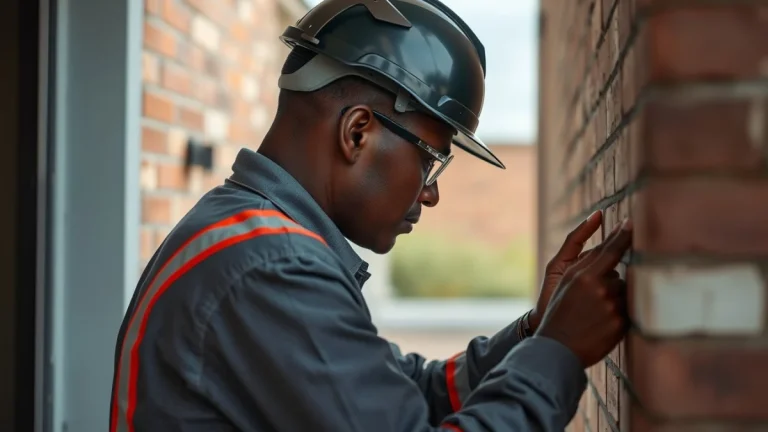
- Regular inspections: Look over electrical systems, plumbing, HVAC units, roofs, doors, and walls.
- Cleaning and upkeep: Keep equipment and building parts free from dirt, dust, and rust.
- Lubrication and adjustments: Prevent moving parts from seizing or wearing out.
- Replacing worn items: Change out filters, belts, batteries, or seals before they fail.
- Testing safety systems: Ensure alarms, emergency lights, and fire extinguishers work properly.
Each task may seem small but adds up in keeping everything smooth and safe.
A Practical Look: What Preventive Maintenance Feels Like at Work
Picture this typical day at a South African office complex: You start by checking the HVAC system filters. It looks fine but feels dusty. Changing a filter now will stop airflow problems in summer’s heat. Next, you walk past the plumbing pipes and notice a faint damp patch. You report it before it becomes a leak that floods the building. Later, you tighten loose door hinges before the door gets damaged or noisy. Each action is quick but saves hassle later.
This hands-on routine is what preventive maintenance is all about—small but steady work that keeps the place running round the clock. It also helps you develop an eye for spotting subtle red flags.
Common Beginner Mistake: Ignoring Scheduling and Documentation
Many new maintenance assistants miss how important it is to schedule tasks and keep records. Without a clear timetable, some inspections or cleanings get forgotten. Not writing reports means issues don’t get tracked, and maintenance history disappears.
Missing schedules leads to rushed emergency fixes and a messy workday. Keeping a maintenance calendar and filling out logs properly might sound tedious but is vital. It also helps when passing work on to another shift or reporting to supervisors.
Understanding the Consequences of Skipping Preventive Maintenance
When preventive maintenance is skipped, faulty equipment runs longer, increasing wear. Small leaks can turn into floods. Dirty air filters cause machines to overheat and waste energy. This can result in:
- Unexpected failures shutting down services for days
- High emergency repair bills
- Safety hazards for people on site and legal penalties
- Loss of reputation if tenants or users face repeated issues
Facilities maintenance teams with good preventive systems spend less time firefighting and more on effective upkeep.
Tips for Beginners Starting With Preventive Maintenance
- Always start with the basics: learn the common tools and safety checks.
- Follow your maintenance schedule strictly and update it when changes happen.
- Communicate immediately if you spot unusual wear or damage.
- Wear PPE at all times to keep yourself safe during inspections and repairs.
- Ask questions and learn from experienced tradespeople on site.
- Use checklists and logs for each task to stay organised and accountable.