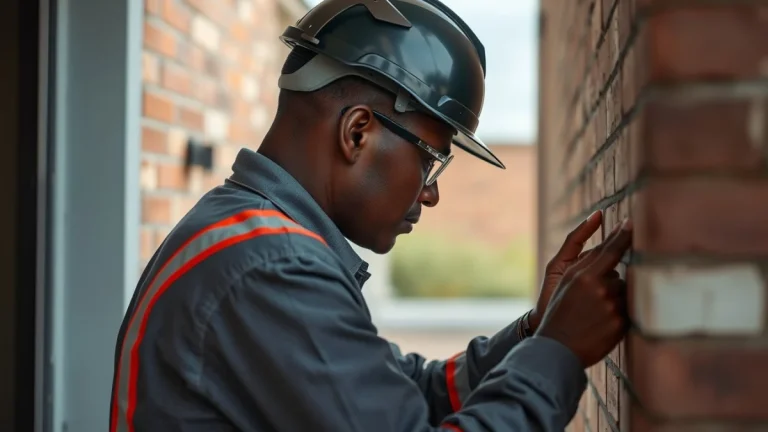
Starting Out as a Facilities Maintenance Assistant in South Africa
If you’re new to the world of building and equipment upkeep, the Free Facilities Maintenance Assistant Course with Certificate in South Africa offers a clear way to begin. This course is designed for beginners with little to no experience. It breaks down what maintenance assistants do every day and how you can join the workforce prepared.
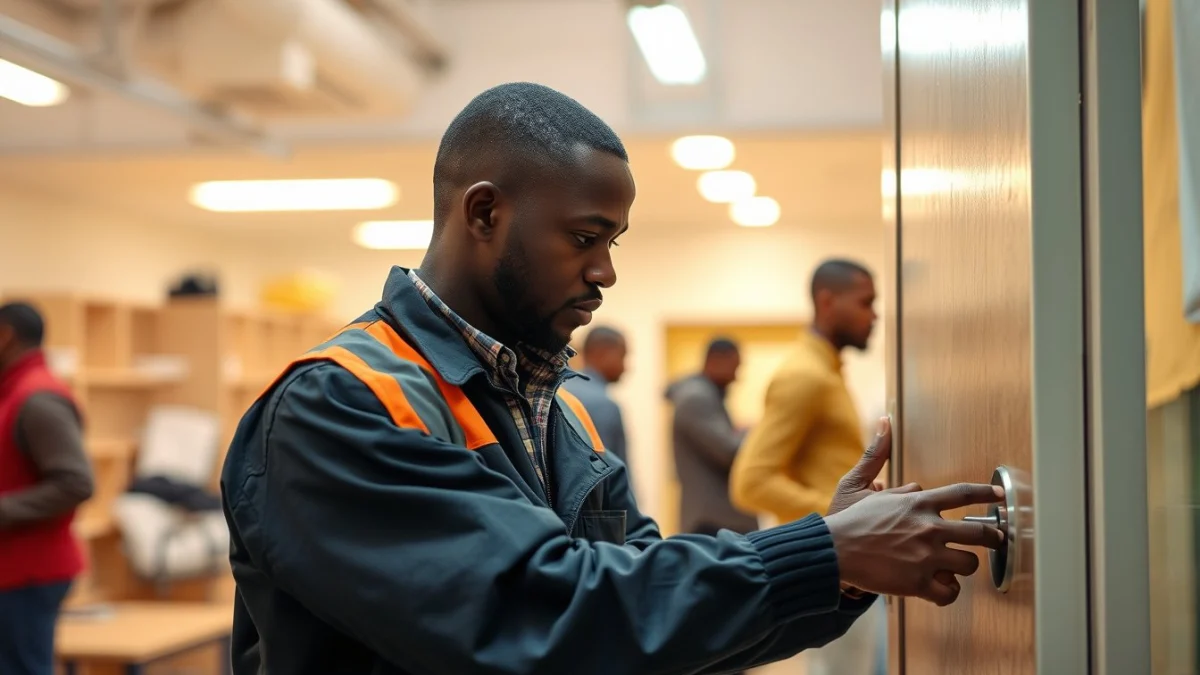
One thing that often trips beginners up is understanding the variety of tasks involved. You won’t just fix broken taps or replace lightbulbs; you’ll need to juggle basic electrical checks, plumbing, safety rules, and even record-keeping. Many start out overwhelmed by how diverse the role is, especially in South African workplaces where maintaining safety standards is crucial and unexpected issues can pop up fast—like a leaking pipe causing downtime or an electrical fault shutting down a facility.
What to Know First: What Does a Facilities Maintenance Assistant Actually Do?
The main role of a facilities maintenance assistant is to keep buildings and their systems running smoothly. This covers everything from small repairs like fixing a door handle to checking HVAC units and handling waste properly. You’ll be the person who spots problems early and helps prevent bigger breakdowns that cost time and money.
Expect to work with common tools, learn safety procedures, and communicate clearly with supervisors. A common misconception is that you need years of technical experience upfront, but beginners can succeed by focusing on practical skills and safety awareness—exactly what the free online course teaches.
Step-by-Step Guide to Getting Started
- Find a Free Facilities Maintenance Assistant Course Online in South Africa: Start with a course like the one from EduCourse, which offers free facilities maintenance assistant training with certificates.
- Learn Workplace Safety Principles: Safety is a top priority on any site. Understand how to properly use personal protective equipment (PPE) and follow health and safety regulations.
- Build Basic Practical Skills: Focus on easy-to-master areas like plumbing basics, electrical safety checks, and simple building repairs.
- Practice Reporting and Communication: Maintaining clear logs and checklists is as important as hands-on tasks. It shows professionalism and helps keep workplaces safe.
- Get Familiar with Tools and Equipment: Even basic knowledge of common tools and their safe handling will set you apart.
- Consider Workplace Experience: If you can, look for entry-level placements or volunteer opportunities to get on-the-job experience.
Key Skills and Requirements for Beginners
- Basic Repair Skills: Fixing doors, windows, taps, and cleaning routine maintenance.
- Health and Safety Awareness: Knowing how to identify hazards and use PPE properly.
- Electrical and Plumbing Fundamentals: Understanding the basics without needing expert-level knowledge.
- Good Communication: Reporting issues and updating supervisors clearly and promptly.
- Organisational Skills: Scheduling maintenance tasks and prioritising urgent repairs.
Common Beginner Mistakes and How to Avoid Them
- Starting Without Safety Knowledge: Skipping PPE or ignoring basic safety leads to accidents. Always learn and follow safety rules first.
- Not Taking Notes or Reports Seriously: Maintenance logs aren’t just paperwork—they track ongoing issues and needed fixes.
- Trying to Fix Beyond Skill Level: It’s tempting to ‘give it a go’, but tackling electrical faults without training can be dangerous. Know when to ask for help.
- Neglecting Routine Checks: Waiting for something to break wastes time and causes bigger problems. Stick to schedules.
What to Expect When Working as a Facilities Maintenance Assistant
Realistically, this job involves a lot of varied tasks that keep coming in quickly. You’ll often be on your feet moving between electrical panels, heating systems, plumbing areas, and communal spaces. Workplaces in South Africa may have strict safety requirements, and deadlines can be pressing when failures cause business interruptions.
Beginners sometimes find the pace challenging. You won’t fix everything perfectly on day one, and small mistakes like missing a safety check or forgetting to report a fault can have consequences. But with each day, experience builds quickly.
Building Confidence to Take the Next Step
Starting this career path might feel daunting, but remember that employers value practical willingness and safety-mindedness over perfect knowledge right away. A free facilities maintenance assistant skills course South Africa offers a no-cost way to build confidence while gaining a certificate that proves your commitment.
Every expert was once a beginner who learned step by step. Focus on small wins—like mastering basic safety or completing a simple repair—and your confidence will grow naturally.
Your Handy Start-Up Checklist
- Choose a free online facilities maintenance assistant course with certificate, like the one from EduCourse
- Learn and follow South African workplace safety rules strictly
- Practice handling basic tools and common repair tasks
- Keep accurate records and communicate your findings
- Build a personal schedule for routine maintenance checks
- Know when to ask for help or escalate issues
- Look for entry-level work or internships to gain real-world experience